
PESHAWAR – The Pashtun social fabric currently undergoes a rapid and concerning transformation. A new trend of establishing separate tribal jirgas, community platforms, and regional alliances—often under the guise of identity restoration—is sweeping through the landscape.
While proponents present these as cultural revivals, the movement increasingly steers the society toward a dangerous path of fragmentation and political disarray.
PTI Leaders Join Pashtun Qaumi Jirga, Condemn Violence
The Mirage of Identity Restoration
Despite the justifications offered by their founders, these tribal jirgas pose a direct threat to organized, ideological, and result-oriented political movements. A specific cadre of individuals—posing as researchers, professors, poets, or local elders—spearhead these initiatives. Evidence suggests these actors operate under a calculated plan to bypass established political structures.
While they claim to address grassroots grievances, their activities effectively deepen communal divides. This phenomenon remains uniquely prevalent among Pashtuns. Unlike the Punjabi, Sindhi, or Baloch populations, Pashtun society shows a disproportionate susceptibility to these localized micro-groups and the rapid proliferation of religious factions.
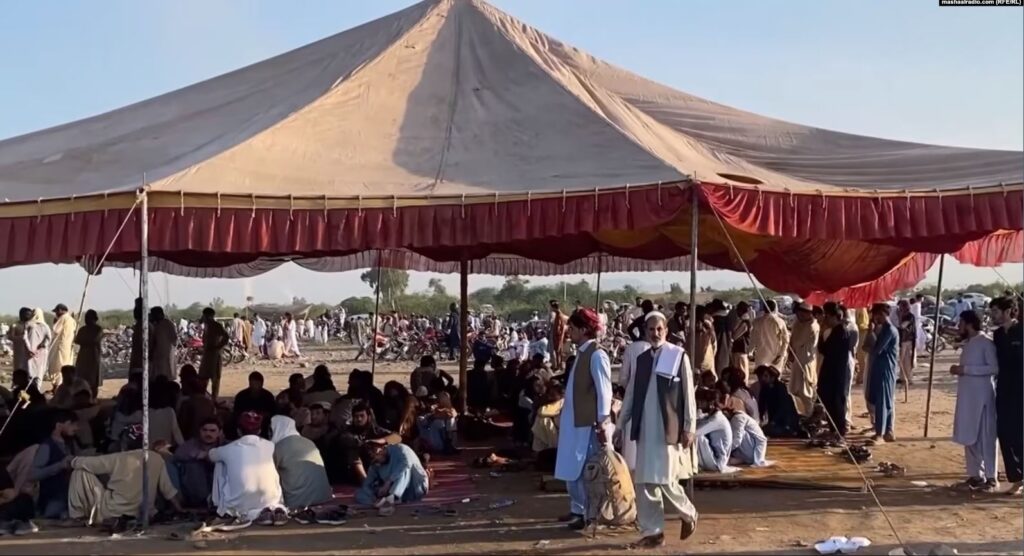
Pak-Afghan Peace Jirga Convenes to De-escalate Regional Tensions
Political Proliferation and Electoral Fallout
Pakistan currently hosts over 260 registered political parties, with a staggering number concentrated in Pashtun-majority areas. Historically, Khyber Pakhtunkhwa, Northern Balochistan, and urban Sindh consistently witness a higher density of candidates and parties compared to other provinces.
The recent general election results confirm a grim reality: the rise of tribal jirgas and sub-ethnic divisions has dealt a severe blow to mainstream political entities, particularly nationalist and progressive parties.
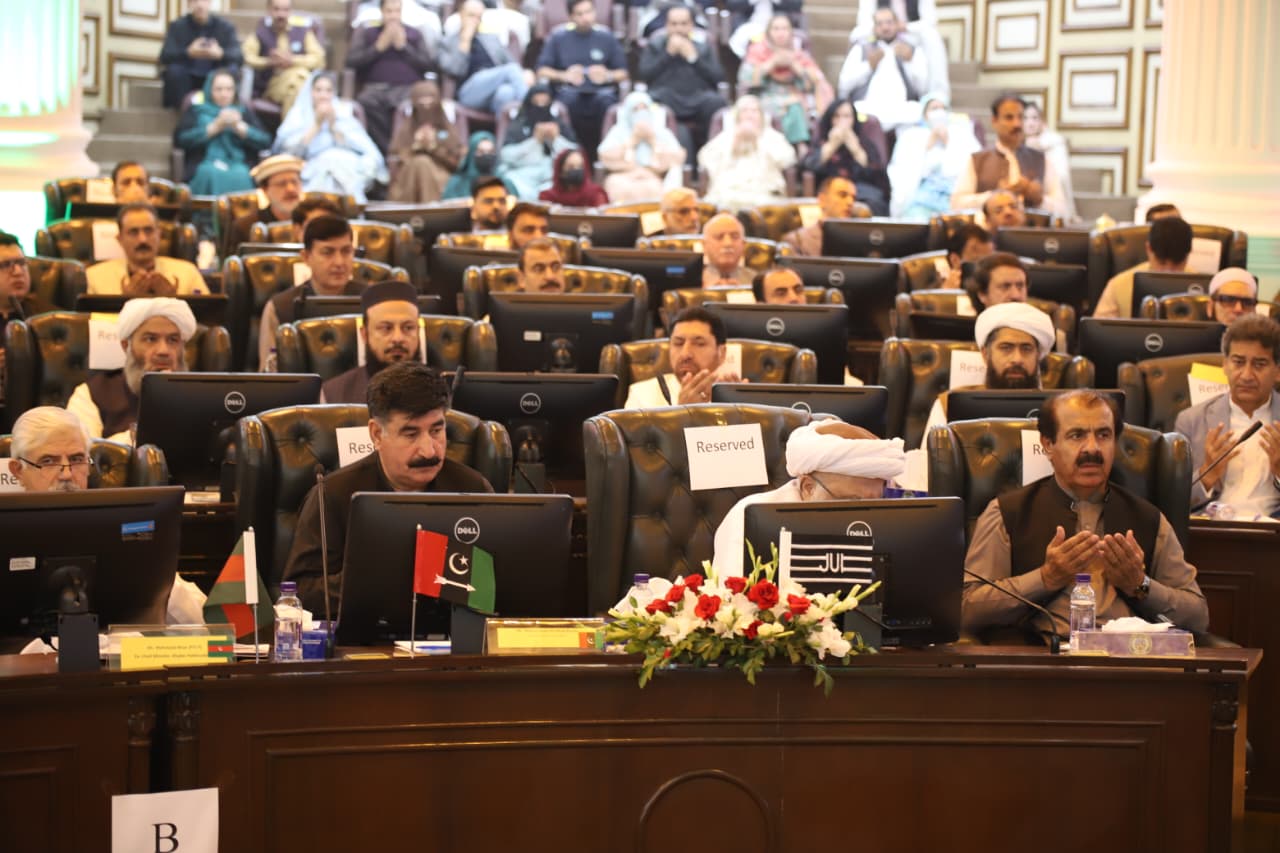
KP leaders unite in historic jirga to tackle terrorism and restore peace
- Fragmentation: Votes now split along narrow clan lines rather than national interests.
- The Rise of “Shadow Groups”: Mysterious entities, allegedly enjoying external patronage and financial backing, actively work to weaken traditional political houses.
- Waning Credibility: Most of these transient groups lose public trust once their immediate tactical objectives are met.
The Shift Toward Localism in Upcoming Elections
As local government elections approach, these groups have intensified their activities. They deploy slogans like “Our Tribe, Our Candidate” to lure voters into tribal allegiances. This strategy systematically pushes national ideology and collective progress into the background, prioritizing personal loyalties and parochial interests instead.
Bannu Peace March Participants Demand End to Insecurity in Southern Districts
Critics argue that these self-styled leaders often direct their sharpest critiques toward established Pashtun nationalist figures, further muddying the political waters.
The High Cost of Division
The strength of the Pashtun people lies in unity, not in the chaos of multi-layered divisions. While tribal jirgas and clan-based politics might offer short-term leverage for local elites, they cultivate long-term animosities and systemic weaknesses.
History shows that these “political games” usually vanish the moment the polls close, leaving the community more divided than before. For a sustainable future, Pashtun society must reconcile its rich tribal heritage with the necessity of a unified, ideological political vision.