
PESHAWAR – For years, Peshawar breathed a little easier. The city, once wrapped in the thick, choking smoke of petrol and diesel engines, began to witness a quiet but meaningful shift. The air did not turn perfectly clean, but it became lighter, clearer—an improvement residents could feel in their daily lives.
That change came with the rise of Compressed Natural Gas (CNG). What started as a small experiment steadily grew into a system people relied on. For many, CNG was not just fuel—it was survival, a way to keep vehicles running and households afloat. Now, that fragile progress stands on the edge.
With the suspension of gas supply to the CNG sector in Khyber Pakhtunkhwa, the city risks slipping back into the very crisis it once struggled to overcome, with livelihoods and cleaner air both hanging in the balance.
Also Read: The Energy Paradox: Why Gas-Rich Khyber Pakhtunkhwa Faces Severe Shortages
A Constitutional and Economic Deadlock
The current shutdown is not merely a policy shift; it represents a direct violation of Article 158 of the Constitution of Pakistan, which grants the province producing gas the first right of use. Khyber Pakhtunkhwa (KP) currently produces approximately 500 MMCFD (million cubic feet per day) of gas, while its total consumption remains a modest 120 MMCFD. Despite this surplus, the federation’s decision to cut supply halts a sector that contributes Rs. 16 billion monthly to the national economy, including Rs. 2 billion in taxes.
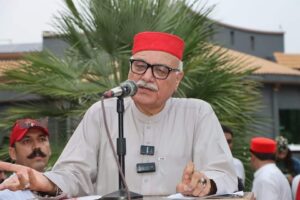
Alhaj Parvez Khan Khattak, Chairman of the All Pakistan CNG Association (KP), characterizes this move as “economic and industrial slaughter.” Khattak noted that the federal government is defying Peshawar High Court rulings, effectively paralyzing the provincial business class and snatching the livelihood of the poor.
Also Read: Increase in Gas Prices: What It Means for Your Next Bill
The Collapse of a Supporting Ecosystem
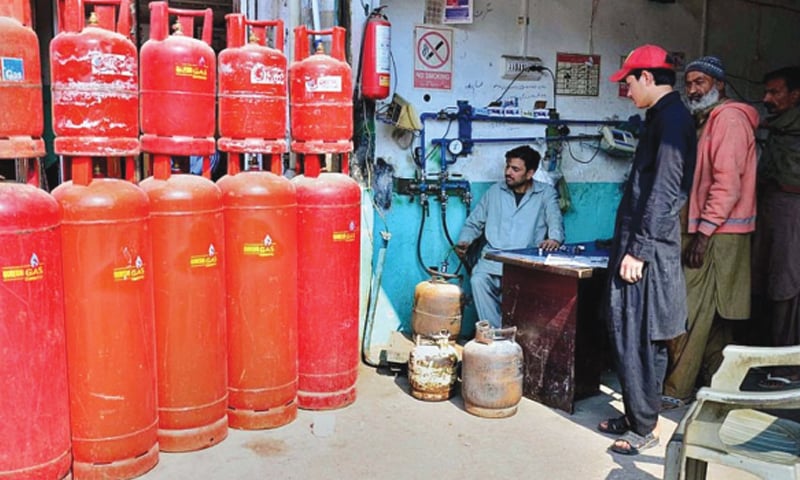
The CNG industry crisis in Khyber Pakhtunkhwa extends far beyond the 600 active filling stations. Each station employs an average of 25 to 30 individuals—pump operators, tire technicians, mechanics, and tuck shop staff. However, the ripple effect reaches deeper into a complex supporting ecosystem:
- Technical Workforce: Thousands of generator operators, compressor specialists, electricians, and maintenance staff keep the infrastructure running.
- Ancillary Businesses: Spare parts shops, CNG kit installers, and cylinder repair mechanics find their shops empty.
- Public Transport: Thousands of taxis, pickups, and rickshaws rely exclusively on CNG.
For a province already battered by decades of terrorism, devastating floods, and the closure of major industrial units, this sector was a rare beacon of stability. When a CNG station closes, it isn’t just a business failing; it is the cooling of stoves in thousands of homes where children’s education and healthcare depend on a daily wage.
Also Read: The Solar Revolution: Between Scorching Taxes and Shifting Solar Energy Policies in Pakistan
The Human Cost and the “Balochistan” Warning
The desperation on the ground has already reached a breaking point. In Nowshera, a rickshaw driver recently set his own vehicle ablaze during a protest—a harrowing symbol of the hopelessness caused by rising inflation and the gas ban. The CNG industry crisis in Khyber Pakhtunkhwa saves the country from importing 1.5 million liters of petrol daily, yet the government chooses to stifle it.
The leadership of the CNG Association has engaged in high-level dialogues with Junaid Altaf, president of the Sarhad Chamber of Commerce and Industry, and Federal Minister Engineer Amir Muqam. While authorities offer verbal assurances, practical steps remain non-existent.
Also Read: Pakistan Braces for Energy Shortage as Middle East Conflict Disrupts LNG Supply
Journalistic rigor demands a look at the broader security implications. Depriving a marginalized province of its primary industrial strength risks fueling civil unrest. Industry leaders warn that if the economic exploitation of KP continues, the province could follow the turbulent path of Balochistan. To prevent an irreversible crisis, the federal and provincial governments must set aside political friction and restore gas supply, ensuring that the people of Khyber Pakhtunkhwa retain their right to live and breathe in the city they helped clean.