
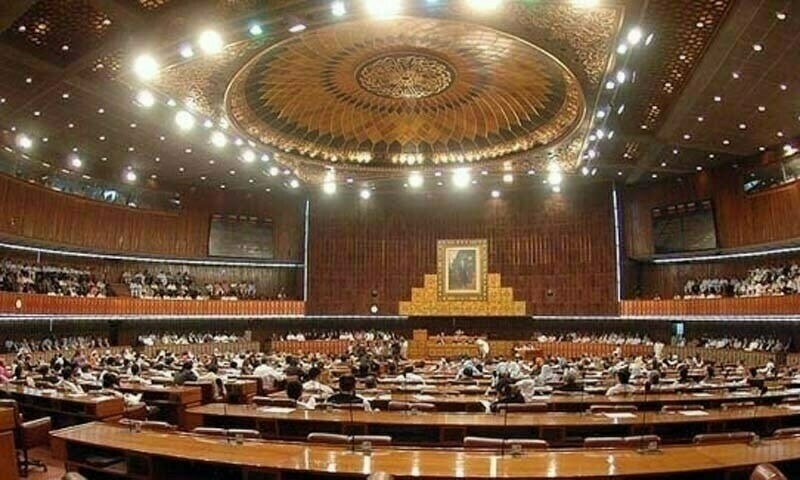
ISLAMABAD: In a decisive move toward environmental sustainability, the National Assembly has officially passed the Plastic-Free Schools Act 2026. This landmark legislation bans the use of plastic covers on books and notebooks within the federal capital.
The government aims to curb the rising tide of non-recyclable waste while fostering an eco-conscious mindset in the next generation.
Also Read: Plastic Pollution in Pakistan: An Escalating Environmental Threat
The bill, previously cleared by the Senate and presented in the National Assembly by Syed Naveed Qamar, targets the traditional habit of wrapping educational materials in non-biodegradable film. By enforcing this plastic-free schools initiative, authorities intend to replace toxic pollutants with sustainable alternatives such as paper, cloth, and biodegradable materials.
Heavy Fines for Non-Compliance
The law carries strict financial penalties to ensure the transition remains effective. First, any seller or institution distributing plastic-covered books will face a fine of 50,000 PKR. Furthermore, repeat violations will result in doubled penalties reaching 100,000 PKR.
To maintain the integrity of these plastic-free schools, Islamabad administration officers now possess the authority to:
- Conduct unannounced on-the-spot inspections at bookstores and campuses.
- Confiscate all prohibited plastic-wrapped materials.
- Impose immediate fines on retailers and school administrations.
Notably, the law provides exemptions for rare book collections, hardback covers, and certified biodegradable protectors.

A “Historic” Climate Victory
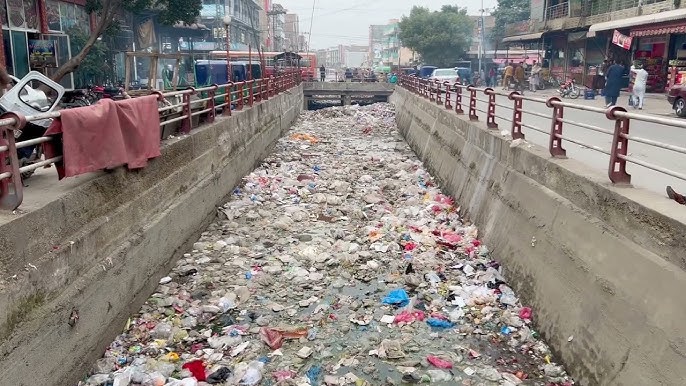
Senator Sherry Rehman, Vice President of the PPP, hailed the passage of the bill as a monumental environmental achievement. She pointed out that Pakistan generates nearly 3.9 million tons of plastic waste annually, yet only a fraction is recycled. “Plastic takes a millennium to decompose,” Rehman stated, urging the public to report violators to support the vision of plastic-free schools.
Also Read: How Peshawar’s Canal System Became a Toxic Trap
Protecting Public Health
The bill’s text clarifies that the perceived “protection” of plastic covers is a dangerous misconception. Instead, these materials pose a grave threat to public health and the environment. By removing these pollutants from classrooms, the government seeks to safeguard water bodies and wildlife from microplastic contamination.
Ultimately, this legislation establishes a mandatory plastic-free schools framework. It ensures that Islamabad’s educational system leads the country in the fight against permanent environmental damage.