
ISLAMABAD – A surprising shift in regional dynamics is unfolding as the long-standing trade relationship between Pakistan and Afghanistan falters. While clashes and border closures have crippled commerce between the two neighbors, India has stepped in to fill the vacuum.
Recent data and expert analysis suggest that Pakistan-Afghanistan tensions and India’s Strategic Opportunity are now the defining features of the region’s economic landscape.
Pakistan-Afghanistan tensions escalate amid cross-border clashes
The Breakdown of the Border
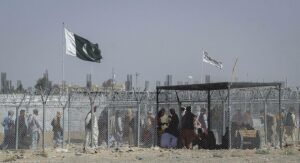
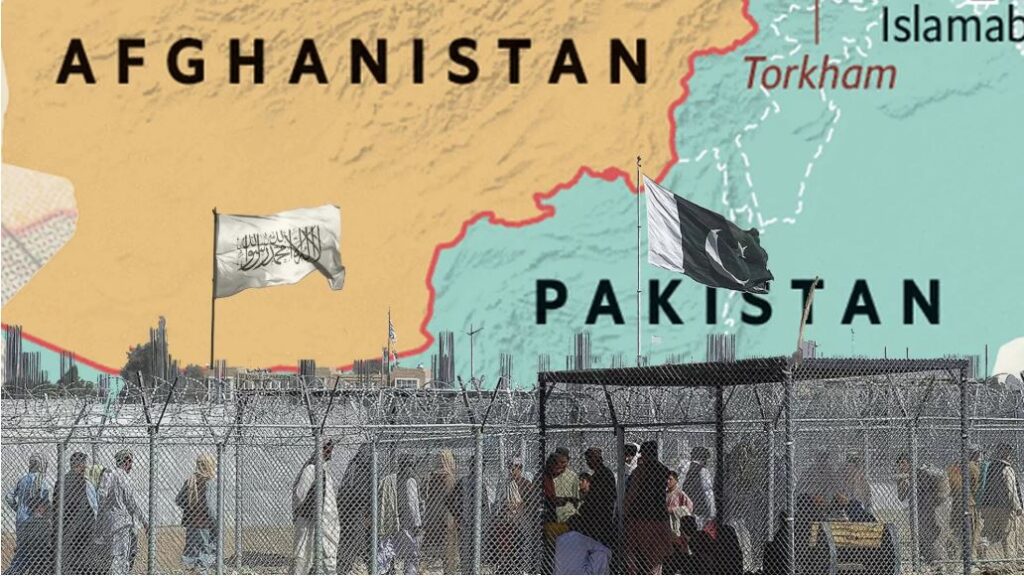
The current friction traces back to October of last year, when violent clashes broke out between Pakistani and Afghan forces. These skirmishes resulted in multiple fatalities and led to the complete closure of vital border crossings. With the movement of goods halted, Afghanistan—a landlocked nation—was forced to look elsewhere to sustain its economy.
As Orzala Nemat of the Royal United Institute explains, “For a landlocked country like Afghanistan, it is always important to diversify relations with its neighbors, regardless of who is in power.”
India Steps into the Vacuum
India has moved swiftly to capitalize on the rift. By utilizing an “Air Bridge” for trade, New Delhi has bypassed the land routes blocked by the Pakistan-Afghanistan tensions and India’s Strategic Opportunity.
Key highlights of this growing partnership include:
- Trade Volume: Trade between Kabul and New Delhi, which had been stagnant since 2021, has now surged past the $1 billion mark.
- Investment: India has reinforced its presence by investing billions of dollars in Afghan infrastructure and development projects.
- Strategic Alignment: Experts note that the relationship is driven by more than just money. Shanthie Mariet D’Souza from the University of Massachusetts points out that “shared strategic and security concerns” are the fundamental reasons for this intensification.
The “Enemy’s Enemy” Philosophy
The shift highlights a classic geopolitical maneuver. With Afghanistan losing one of its most critical trade partners in Pakistan, Kabul has found a willing and eager substitute in New Delhi.
The irony of the situation, stating that in the world of high-stakes diplomacy, “the enemy’s enemy is a friend.” This realignment has provided India with a new foothold in a region where it previously struggled for influence due to geographic constraints.
Islamabad’s Next Move
The rapidly growing air trade between Kabul and New Delhi serves as a wake-up call for Pakistani policymakers. As trade routes remain closed and diplomatic ties strained, the regional “power game” is shifting.
The ultimate question remains: how will Islamabad turn the dice of this power game back in its favor, or has the window for regional dominance already closed?
For now, the Pakistan-Afghanistan tensions and India’s Strategic Opportunity continue to reshape the map of South Asian commerce.