
PESHAWAR – The recent resurgence of terrorism in Khyber Pakhtunkhwa (KP) has once again plunged the province into a state of mourning and uncertainty.
From Bannu to Lakki Marwat, the escalating wave of violence is not merely a series of isolated incidents; rather, it represents a coordinated effort by extremist elements to challenge the writ of the state.
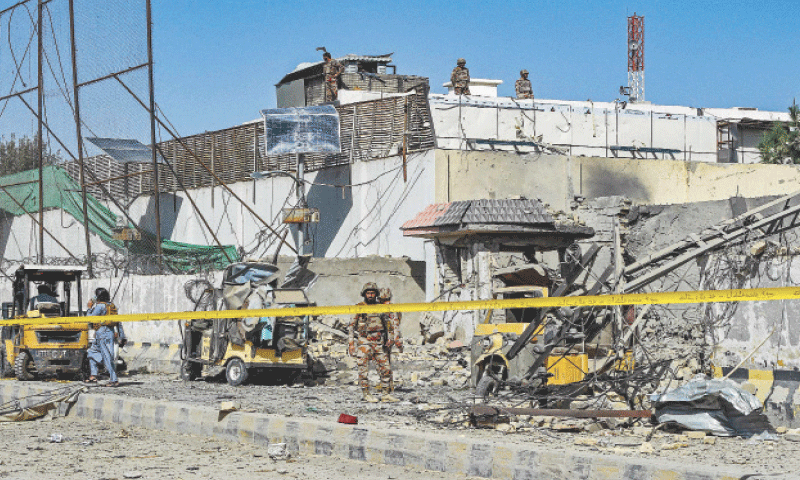
As these groups target security checkpoints and public infrastructure, the primary objective remains to paralyze public life and spread widespread fear.
Also Read: Pakistan at war: Fighting Terror and Betrayal
Analyzing the Security Breach
There is critical need to review the current security protocols after after the current resurgence of Terrorism in KP. Terrorist groups are strategically planning attacks at sensitive times and locations to maximize casualties. Consequently, this pattern highlights gaps in intelligence that law enforcement agencies must address immediately. To counter this, the provincial government is focusing on:
- Vulnerability Mapping: Identifying high-risk public spots and security posts.
- Intelligence Sharing: Enhancing coordination between civil and military agencies.
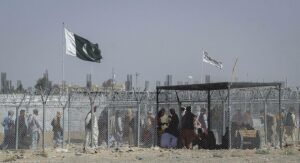
- Modern Surveillance: Deploying advanced technology to monitor border movements.
Also Read: KP facing dual brunt of climate change, terrorism: Shafiullah
Economic Devastation and Social Decay
Beyond the loss of life, the resurgence of terrorism in KP is dealing a fatal blow to an already fragile economy. The province faces a severe flight of capital as investors shy away from volatile regions. Specifically, the following sectors are struggling:
- Tourism & Trade: Districts like Swat and North and South Waziristan see a decline in visitors and commercial activity.
- Unemployment: Business closures are pushing the youth toward poverty, making them vulnerable to extremist recruitment.
- Security Costs: Diverting provincial funds toward emergency security measures hampers long-term developmental projects.
“Terrorism does not just take lives; it destroys hope, public trust, and the very social fabric of our communities,” the analysis highlights.
Also Read: Thousands Defy Ban to Attend Pashtun Qaumi Jirga Against Terrorism
A Call for National Unity and Structural Reform
Ultimately, tackling the resurgence of terrorism in Khyber Pakhtunkhwa requires more than just military action. It necessitates a holistic approach that addresses the root causes of extremism, such as illiteracy, injustice, and economic deprivation. While the armed forces continue to offer supreme sacrifices for the defense of the motherland, the civilian leadership must also step up to provide a “social safety net” for the affected populations.
Finally, the government urges the nation to stand united with the security forces. By improving governance and ensuring the rule of law, Pakistan can effectively dismantle the networks facilitating this violence. The time for proactive measures is now, as any further delay could lead to catastrophic consequences for the country’s international standing and internal harmony.