
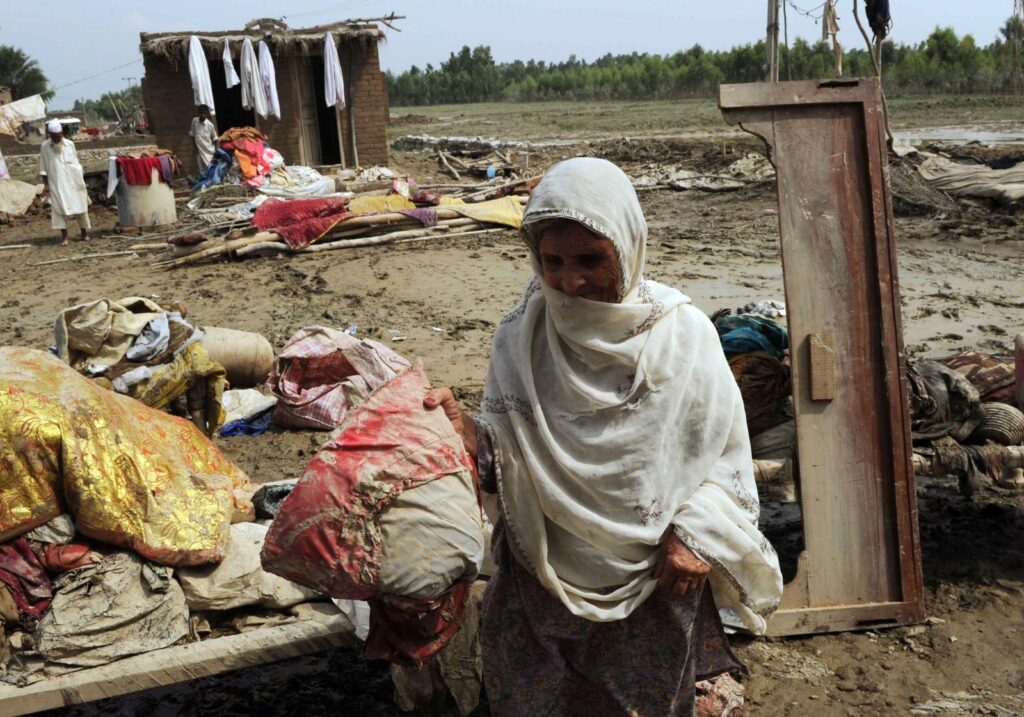
In the remote village of Jabgay, in the Chagharzai tehsil of Buner district in Khyber Pakhtunkhwa, 60-year-old Sameeran sits quietly in front of the ruins of what used to be her home. Only months earlier, laughter from her daughters and granddaughters filled the house. Today the structure lies collapsed in debris.
On the morning of 15 August, 2025, a sudden flash flood swept through the area. Sameeran’s three daughters and three granddaughters were inside one of the rooms. Within minutes, they were gone.
“I still see that moment in my mind,” Sameeran says, her voice trembling. “Giant rocks came rushing with the floodwater and hit the walls. The room collapsed instantly.” Her home, she explains, stands nearly two kilometers away from the seasonal stream at the foot of a mountain. “I still cannot understand how so much water reached here,” she says.
The flood destroyed more than buildings. It shattered lives and revealed a growing but largely overlooked crisis involving women’s mental health in Pakistan.
Sameeran’s son, Masood Shah, says the family has struggled with severe psychological trauma ever since the disaster. “We have covered the room where the tragedy happened with a curtain so my mother does not go there,” he says. “But she often insists and sits there for hours, crying and remembering them.”
“Sometimes she talks in ways that make us afraid she might lose her mental balance.”
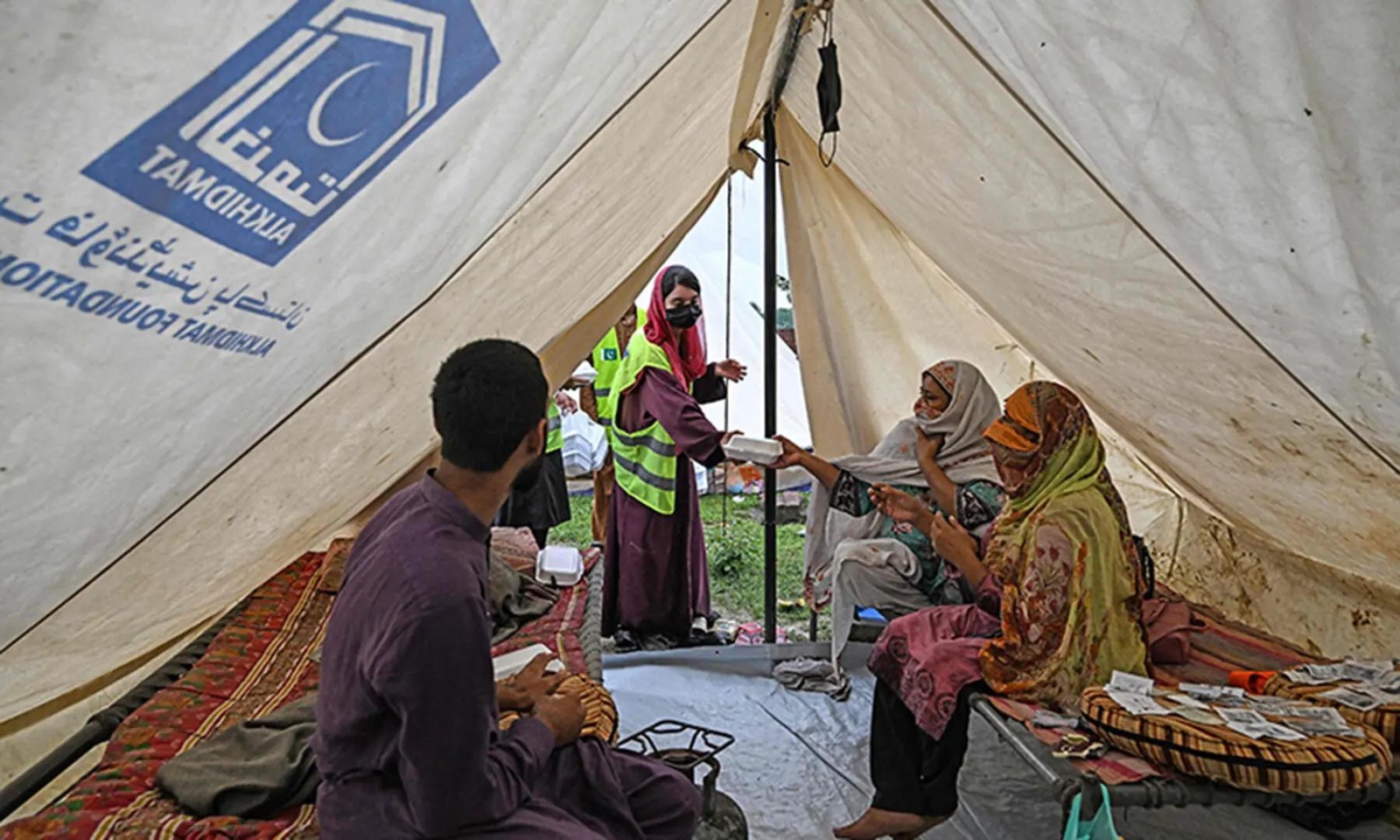
Women Face Severe Hardships During Khyber Pakhtunkhwa Floods
A Disaster Beyond Physical Damage
Pakistan regularly faces natural disasters, but experts say authorities still overlook their psychological consequences, particularly for women. According to the United Nations Office for the Coordination of Humanitarian Affairs, monsoon rains and floods in 2025 caused widespread devastation across the country. Official figures indicate that 881 people died and 1,176 sustained injuries in monsoon-related incidents nationwide. In Khyber Pakhtunkhwa alone, 488 people died and 359 were injured.
Districts including Buner, Shangla, Swabi, Swat, and Mansehra suffered some of the worst damage. Floodwaters destroyed thousands of homes. Livestock died. Many families lost their only sources of income.
Relief organizations say survivors urgently need food, shelter, and healthcare. They also say communities require urgent psychological support. Yet disaster response systems frequently overlook women’s mental health in Pakistan, leaving many survivors without professional care.
Living with Fear After the Flood
In Malikpur village of Pir Baba, 50-year-old Bakht Bibi still relives the moment when floodwaters entered her home. When asked about the incident, she pauses before speaking. “Whenever someone mentions rain or thunder, my heart starts beating fast,” she says quietly. “I feel terrified.”
On that day, 13 members of her family climbed onto the roof as water rushed into the house. The boundary wall had already collapsed. The water continued to rise. “We thought we would all die,” she recalls.
In desperation, the family tied themselves together with a rope. “If we were swept away, at least our bodies would be found together.” Eventually the water level began to fall, and the family managed to reach safety. The psychological impact, however, has not faded.
Bakht Bibi says she rarely sleeps. She eats very little and often spends entire nights awake. Her experience reflects a growing crisis surrounding women’s mental health in Pakistan after natural disasters.
Children Carry the Trauma Too
The emotional impact of disasters often extends to children. In Mingora, a city in the Swat district, Zarmina now takes her 16-year-old daughter Jawaria to a psychologist every week. Javeria was at school when floods struck the area. She and other girls from the village took refuge on a nearby mountain.
“My daughter used to be very cheerful,” Zarmina says. “Now she stays quiet most of the time. She wakes up screaming at night and has lost interest in her studies.”
Mental health professionals say such symptoms commonly appear after traumatic disasters. Experts warn that untreated trauma among children can also deepen long-term concerns surrounding women’s mental health in Pakistan, as girls carry these psychological burdens into adulthood.
Across the Border, Another Tragedy
While Pakistan struggled with floods, neighboring Afghanistan faced another devastating disaster. On the night of 31 August 2025, a 6.0-magnitude earthquake struck eastern provinces, including Kunar, Nangarhar, Laghman, and Nuristan. According to the United Nations and the World Health Organization, about 2,205 people died and more than 3,640 suffered injuries.
Many victims were women and children.
In a hospital in Jalalabad, 50-year-old Syed Paro from Kunar lies on a hospital bed recovering from injuries. His three-story house collapsed during the earthquake. “I lost my seven sons,” he says. “Only my youngest survived.”
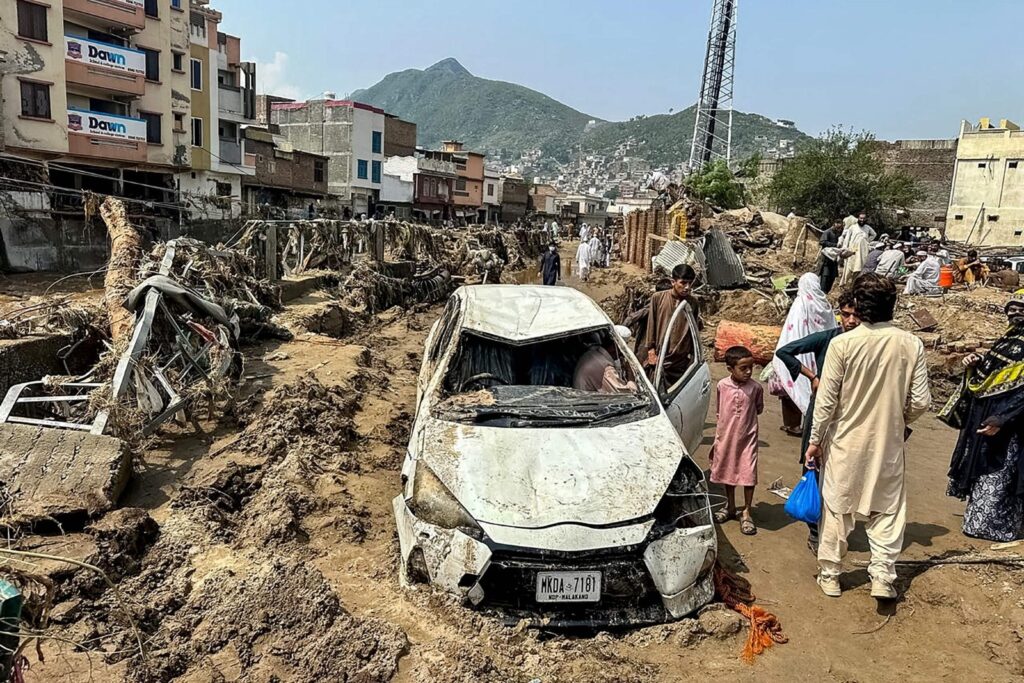
Women Facing Double Hardship
For many women in Afghanistan, the disaster created an additional layer of hardship. According to UN Women, women in affected areas not only cope with grief but also live in unsafe conditions inside temporary camps.
These camps expose them to multiple risks, including disease, extreme poverty, and gender-based violence. The United Nations Population Fund estimates that around 11,600 pregnant women currently live in earthquake-affected areas and urgently require medical care and safe maternity services.
The Psychological Aftershock
Dr. Sardar Alam, a psychologist in Buner district, says disasters often leave long-term psychological consequences. “After floods or earthquakes, many survivors develop post-traumatic stress disorder,” he explains. “They experience nightmares, insomnia, and constant fear. Even small sounds can trigger panic.”
He says women and children remain the most vulnerable groups. “They face the trauma of loss while also dealing with family responsibilities and economic hardship.”
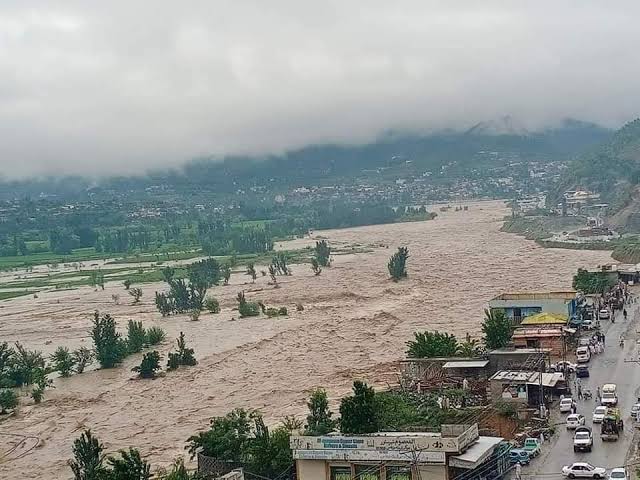
A Growing Mental Health Crisis
Mental health experts warn that the scale of the crisis extends far beyond reported cases. A 2024 report by Pakistan’s National Commission on Mental Health estimates that about 24 million people in the country live with some form of mental illness. In disaster-affected areas, experts say the figure can rise to between 40 and 60 percent.
The World Health Organization estimates that about 22 percent of people develop psychological disorders after emergencies or natural disasters. Women experience these disorders at nearly twice the rate of men.
These figures highlight the urgent need to address women’s mental health in Pakistan, particularly in disaster-prone regions.
The Missing Piece in Disaster Response
Despite these alarming statistics, mental health support remains one of the weakest components of disaster response in both Pakistan and Afghanistan. Experts say authorities usually prioritize rebuilding homes and infrastructure while ignoring emotional and psychological recovery.
They argue that community-based counseling services, awareness campaigns, and dedicated mental health centers—especially for women—remain essential for long-term recovery. Without these measures, the invisible wounds of disasters may last far longer than physical destruction.
Back in Buner, Sameeron continues to sit in front of the ruins of her home. Her eyes search the empty space where her daughters and granddaughters once lived.
One question continues to haunt her.
Why did life change in a single moment?
Natural disasters do not only destroy homes and livelihoods. For many survivors, particularly women, they leave lasting scars on the mind—scars that may take years, or even a lifetime, to heal. The crisis surrounding women’s mental health in Pakistan remains one of the most urgent yet least addressed consequences of these disasters.