
China has stepped forward to reduce tensions between Islamabad and Kabul, but the Pakistan Afghanistan crisis continues to deepen as both countries maintain sharply different positions on security and cross-border militancy.
Recent developments show that diplomatic engagement has not yet slowed the pace of confrontation. Afghan defence authorities claimed they targeted a location near Pakistan’s capital, Islamabad. Pakistani officials, meanwhile, reported that security forces neutralised several drones near the Islamabad–Rawalpindi area and in Kohat. Islamabad has also stated that its forces conducted air strikes on around 70 locations in Afghanistan, including areas in Kabul and Kandahar.
Aleema Khan Warns of ‘Manufactured’ Tensions as Afghanistan-Pakistan conflict continues
China steps in as mediator
Beijing has attempted to position itself as a mediator in the Pakistan Afghanistan crisis. China’s special representative for Afghanistan has moved between Kabul and Islamabad in recent days. Pakistan’s foreign ministry has confirmed diplomatic contact with Beijing regarding the tensions, while Afghan and Chinese officials have already acknowledged meetings aimed at easing the situation.
China’s ambassador in Kabul and its special envoy recently met Afghan foreign minister Amir Khan Muttaqi. China’s foreign ministry later confirmed that its envoy remains actively engaged in efforts to facilitate dialogue between the two neighbouring states.
China’s involvement reflects its influence in both countries. It maintains strong political and economic ties with Pakistan while also pursuing strategic interests in Afghanistan.
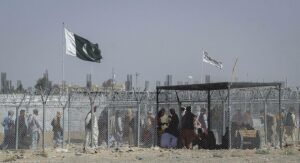
Border closure cripples traders, hits agricultural exports
A deep divide over militant presence
Despite China’s diplomatic efforts, mediation faces a fundamental obstacle: Islamabad and Kabul disagree on the central issue driving the Pakistan Afghanistan crisis.
Afghanistan continues to reject Pakistan’s claim that the banned Tehreek-e-Taliban Pakistan operates from Afghan territory. Afghan authorities describe the issue as Pakistan’s internal matter. Pakistan, however, maintains that militant groups based across the border receive financial and logistical support and use Afghan territory as a safe haven before carrying out attacks inside Pakistan.
These attacks, according to Islamabad, have targeted both civilians and security personnel. Pakistan argues that it launches retaliatory strikes only after militants carry out operations inside its territory and when Afghan authorities fail to take verifiable action to prevent cross-border infiltration.
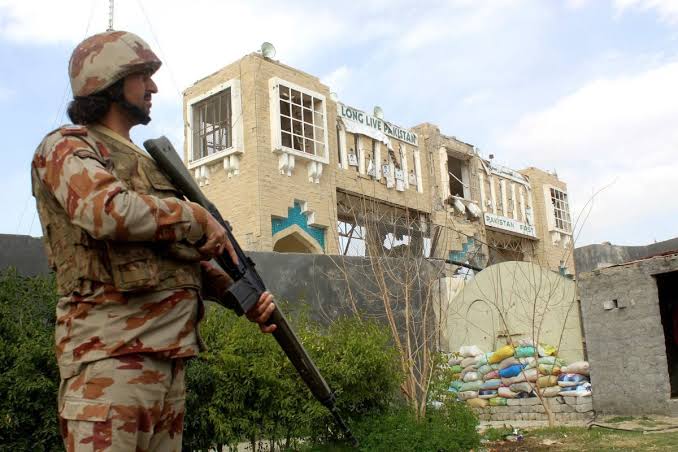
Under this logic, Pakistan says its recent strikes targeted militant camps along with positions linked to Afghan Taliban forces.
Pakistan at war: Fighting Terror and Betrayal
Prospects for reducing tensions
The challenge for China lies in bridging this core disagreement. Unless both sides acknowledge each other’s security concerns, diplomatic engagement alone may not resolve the Pakistan Afghanistan crisis.
Prolonged escalation carries risks for both countries. Instability along the border threatens regional security and could further strain relations between two neighbours that share deep economic and social connections.
China’s mediation may therefore offer an opportunity—if both sides are willing to engage beyond diplomatic statements. For Islamabad, a durable outcome would require credible assurances from Kabul that militant groups operating inside Afghanistan will not target Pakistan.
If such guarantees emerge, the possibility of restoring normal bilateral relations could follow. Without them, however, the Pakistan Afghanistan crisis will remain difficult to resolve despite Beijing’s growing diplomatic involvement.