
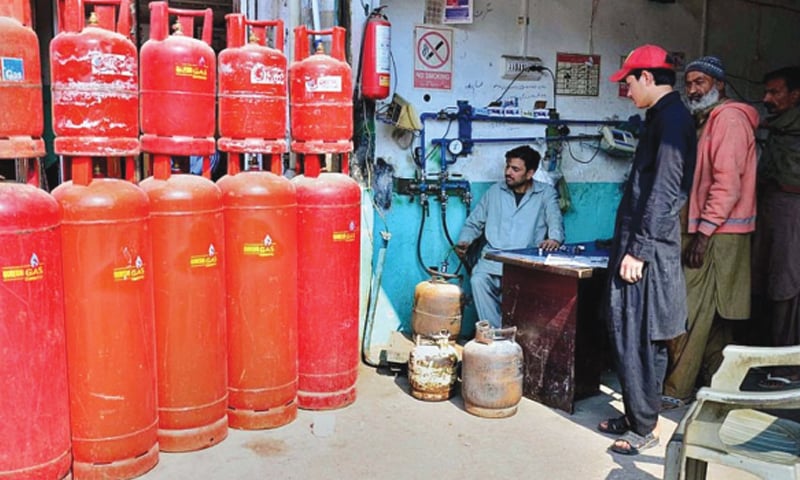
PESHAWAR — Despite boasting abundant hydropower and significant natural gas production, the province remains gripped by a severe energy crisis in Khyber Pakhtunkhwa. The persistent gas load shedding and CNG closures represent more than just administrative failure; they signal a profound policy collapse. While the province serves as a primary energy hub for the nation, its citizens continue to struggle for basic fuel access and reliable electricity.
Production vs. Consumption: The Numbers
Official estimates reveal a startling contradiction. The province produces approximately 340 to 360 MMCFD (million cubic feet per day) of natural gas. In contrast, its local demand fluctuates between 180 and 350 MMCFD. Logically, KP produces enough gas to meet its internal needs and often generates a surplus. Yet, domestic consumers, small businesses, and the industrial sector face constant supply cuts. This fundamental paradox raises serious questions about the federal management of provincial resources and fuels the growing energy crisis in Khyber Pakhtunkhwa.
Khyber Pakhtunkhwa’s Power & Energy Projects Stagnate Due to Funding Shortages
The Constitutional Mandate: Article 158
The current situation directly challenges the legal framework of the country. Article 158 of the Constitution of Pakistan clearly dictates that the region where gas is discovered holds the first right of use over that resource.
If authorities implemented this principle in its true spirit, the intensity of the energy deficit would diminish significantly. Currently, the denial of this right remains a primary source of public grievance. It acts as a major driver for the ongoing energy crisis in Khyber Pakhtunkhwa, as the province exports its resources while its own industries sit idle.
KP to Undertake Solarization of Government Buildings, Saving Billions in Energy Costs
Impact on Industry and Public Sentiment
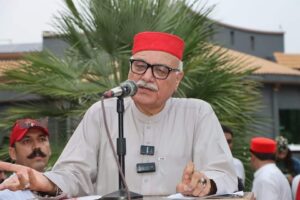
The chief minister of Khyber Pakhtunkhwa recently expressed strong resentment, reflecting the raw emotions of the public. This issue transcends the closure of CNG stations; it paralyzes households and halts industrial production. Years of temporary fixes by successive governments have failed to provide a permanent solution. Consequently, public trust in state institutions has eroded as the gap between resource ownership and resource utility widens.
A Path Toward Resolution
While protests and boycott threats capture headlines, they rarely provide long-term solutions. To effectively end the energy crisis in Khyber Pakhtunkhwa, the provincial leadership must adopt a sophisticated, two-pronged strategy:
- Political Consensus: The leadership should take the opposition into confidence to form a united provincial front.
- Federal Engagement: A representative “Jirga” or a joint delegation should engage in direct, high-level negotiations with the federal government to secure gas and electricity quotas.
The objective must be a comprehensive strategy that restores CNG supplies, ensures domestic gas pressure, and stabilizes the electricity grid.
Among Peshawar’s waste, Afghan refugees confront the hidden dangers of medical trash
The Need for Concrete Action
The people of the province are no longer satisfied with verbal assurances. They demand their constitutional rights, provincial justice, and visible actions on the ground. If this disparity continues, it will not only fuel provincial unrest but also weaken the trust between the federation and its units. It is time to grant this resource-rich region its fair share. Ending the energy crisis in Khyber Pakhtunkhwa requires moving past political rhetoric and toward constitutional compliance.