
PESHAWAR—Social media currently erupts with a noise that suggests a boiling point for the public. Citizens are losing patience as the grid fails to deliver. The debate over potential taxes and sudden shifts in solar energy policies in Pakistan has ignited a firestorm of digital discourse. From viral posts to satirical memes, the Pakistani consumer takes the system to task with a classic blend of outrage and dark humor.
The Public’s Simple Question
A popular sentiment circulating online poses a poignant question.
A popular sentiment circulating online poses a poignant question. “The house is mine, the roof is mine, and the investment is mine. The sun belongs to the Almighty. Why do I need permission, and why should I pay a fee?”
In simple terms, citizens question why authorities introduce complications to exploit a universal resource like sunlight. However, these questions rarely reach the serious tables of governance. Decisions regarding solar energy policies in Pakistan remain trapped in the cold language of files and fiscal calculations.
The Energy Paradox: Why Gas-Rich Khyber Pakhtunkhwa Faces Severe Shortages
A Global Shift vs. Local Reality
Globally, the energy sector transitions from traditional fossil fuels to renewable sources. Developed nations do not just encourage solar and wind energy; they integrate them into the state’s strategic framework. These systems allow citizens to sell excess electricity back to the national grid. This creates a partnership where the sun belongs to the people and the benefits follow suit.
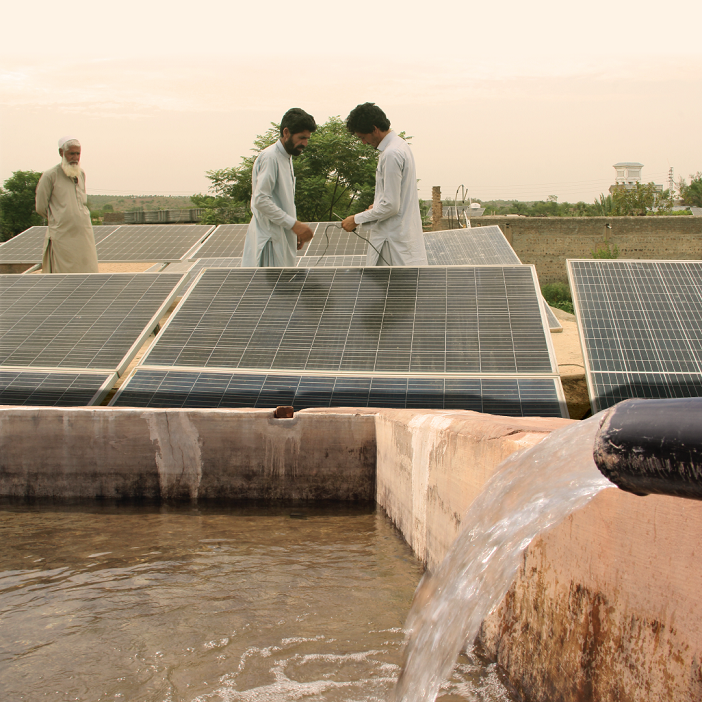
In Pakistan, solar energy initially appeared as a beacon of hope during the power crisis. The government introduced the net metering system. This encouraged citizens to turn their rooftops into mini power plants. Trusting this vision, people invested life savings and sold assets to install solar setups. At that time, this entire concept represented a bright, self-reliant future.
PM Sharif Announces Austerity Measures Amid Regional Conflict, Rising Oil Prices
The Erosion of Trust
However, the landscape has shifted. Recent changes to solar energy policies in Pakistan have shaken that hard-earned public confidence. Talk of reduced rates and stricter regulations turns the relief system into a complex question mark.
Consumers now face an uncertain policy climate where
- Net metering rates fluctuate unexpectedly.
- Technical hurdles and bureaucratic delays plague new applications.
- Constant experimentation with rules leaves investors uncertain about their future.
The energy sector now resembles a laboratory. The public acts as test subjects while bearing the burden of the results.
Khyber Pakhtunkhwa Carbon Asset Inventory Launched to Drive Green Energy And Climate Financing
The Crisis of Consistency
The core issue remains the lack of stability. A crisis of confidence becomes inevitable when a state persuades citizens to invest and then abruptly changes the rules. Trust requires transparency and consistency, not just promises.
Solar energy remains the most viable solution for daytime power needs. Evolving battery technology now offers nighttime potential. Yet, for this revolution to succeed, the state must view alternative energy as an opportunity. To resolve the current standoff, the leadership must restore consumer confidence. They need a permanent, transparent framework for solar energy policies in Pakistan. Only steady rules and accessible sunlight can move the country toward a truly sustainable energy future.