
ISLAMABAD—Afghan Ambassador to Pakistan Sardar Ahmad Shakib said Pakistan-Afghanistan relations are deeply interconnected, and both countries must use their interdependence to promote stability, security and prosperity instead of conflict.
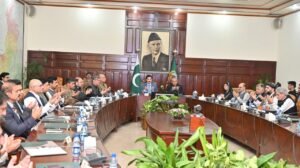
Speaking at the National Defence University in Islamabad, the Afghan envoy said decades of war and security developments have tied the interests and strategies of Pakistan and Afghanistan together. “Pakistan and Afghanistan are not just two neighboring countries.
Also Read: Pakistan-Afghanistan tensions escalate amid cross-border clashes
Our geography, people, society, and history are linked,” Ambassador Shakib told the audience. He stressed that both governments must view current realities through a new lens instead of outdated assumptions. According to him, trade, transit, and people-to-people movement further strengthen the mutual dependence between the two states.
Ambassador Shakib noted that Afghanistan in 2026 is different from the Afghanistan of the Cold War, the 1990s, or the post-2001 period of foreign military presence and external political intervention. He said a new political reality emerged in Kabul after 2021. The envoy highlighted how developments in each country directly affect the other. “Afghanistan’s political, security, and economic situation impacts Pakistan.
Also Read: Tensions Resurface Following Expiration of Ceasefire at Pakistan-Afghanistan Border
Similarly, developments in Pakistan affect Afghanistan,” he said. “We cannot change this reality.” He urged both sides to channel Pakistan-Afghanistan relations toward cooperation rather than crisis. “We have a choice to use our interdependence for stability, security, and shared interests instead of confrontation,” Ambassador Shakib added.
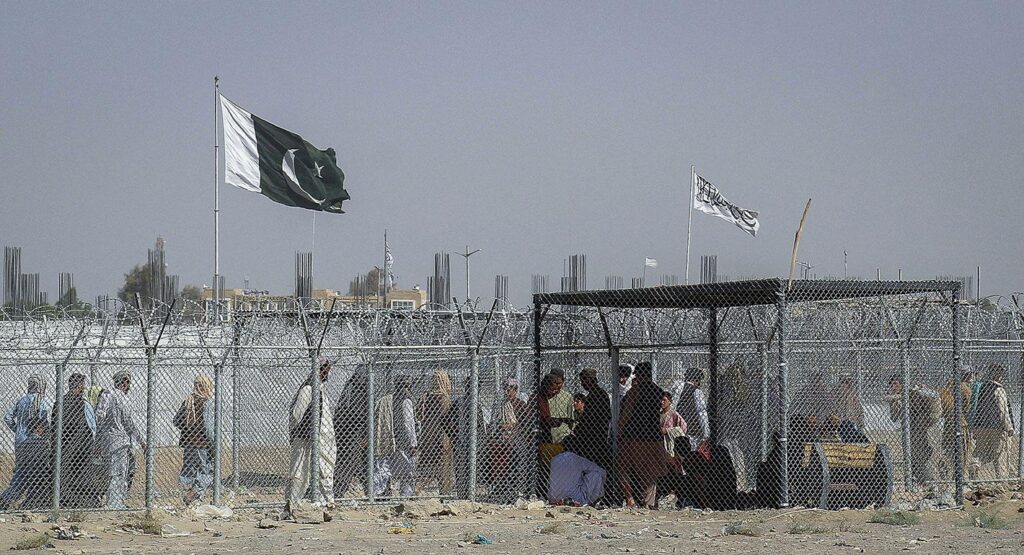
The remarks come amid ongoing challenges to bilateral trade and border movement. Traders and analysts have repeatedly called for restored connectivity to support livelihoods and regional economic activity. Ambassador Shakib concluded that lasting progress requires both countries to treat their shared geography as a foundation for collaboration in trade, transit and security.