

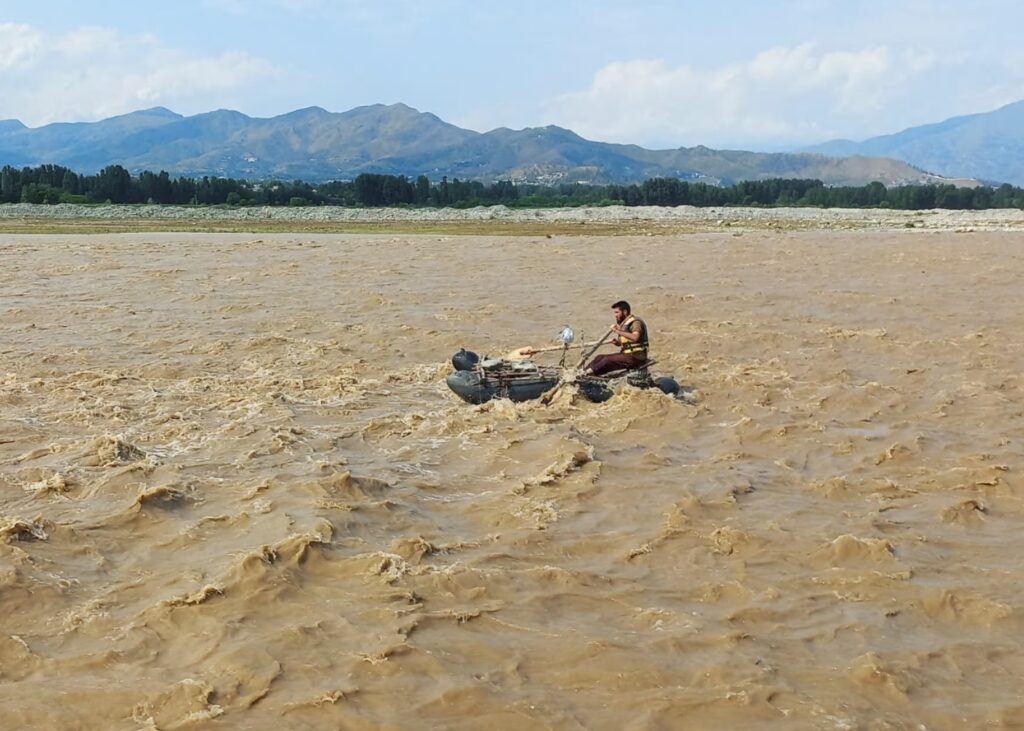
PESHAWAR – A flash flood does not simply wash away roads, bridges or homes. It also exposes the cost of planning for yesterday’s climate while living in today’s reality.
That lesson has become increasingly clear across climate change in Khyber Pakhtunkhwa, where rising temperatures, extreme rainfall, glacial melt and unpredictable weather patterns are transforming one of Pakistan’s most scenic provinces into one of its most climate-vulnerable regions.
Also Read: KP facing dual brunt of climate change, terrorism: Shafiullah
The recent tragedy in Lower Kohistan illustrates this new reality with heartbreaking clarity. Two young men, returning home after years of working in Karachi, were only moments away from reuniting with their families when a sudden flood swept through Dubair. One survived. The other, Muhammad Yousaf, did not. Months away from his wedding and the primary breadwinner for his family, his future disappeared in minutes.
His death is more than a personal tragedy. It reflects a larger failure to anticipate risks that scientists have warned about for years.
As with many previous disasters, public debate quickly shifted toward assigning responsibility. Residents questioned whether hydropower operations contributed to the disaster. Officials pointed to exceptionally heavy rainfall. Yet these competing explanations leave a more important question unanswered: if the danger was foreseeable, why were people not warned in time?
Also Read: KP Launches 18 Agriculture Projects to Combat Climate Change
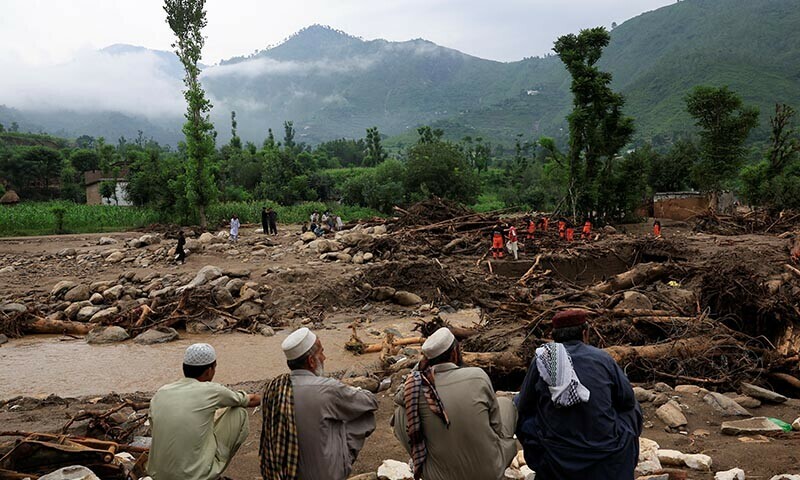
This question has echoed after nearly every major disaster in the province—from the catastrophic floods of 2022 to recurring flash floods in mountain valleys. Early warning systems, emergency evacuation plans and climate-informed infrastructure remain inconsistent despite increasingly frequent climate-related disasters.
The discussion surrounding climate change in Khyber Pakhtunkhwa should therefore move beyond emergency response. The challenge is no longer simply how quickly authorities react after a disaster, but how effectively they reduce the likelihood of tragedy before it occurs.
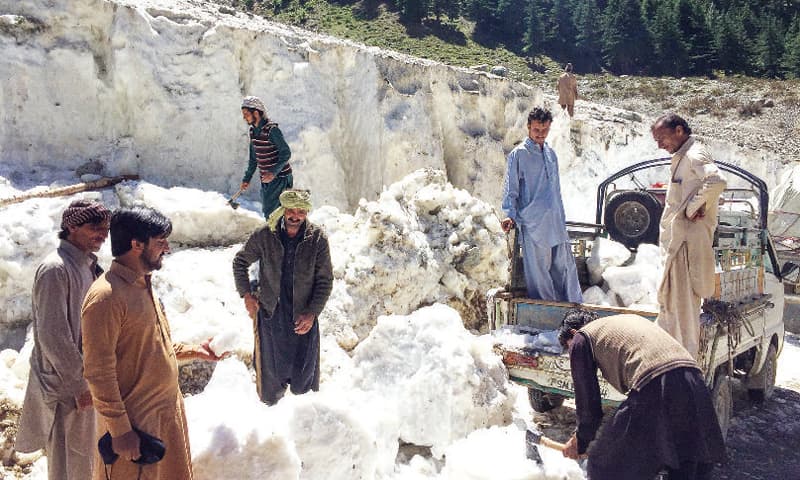
Khyber Pakhtunkhwa’s geography makes the province exceptionally vulnerable. Melting glaciers feed powerful rivers that descend rapidly through narrow valleys before reaching densely populated communities. A few hours of intense rainfall can trigger flash floods, landslides and river surges capable of destroying years of development within minutes.
Also Read: Why the Upcoming Monsoon Afforestation Drive Is Our Last Shield Against Climate Chaos
The economic consequences extend far beyond immediate damage.
Agriculture suffers from changing rainfall patterns. Tourism faces growing uncertainty as roads, bridges and recreational sites become increasingly vulnerable to extreme weather. Hydropower projects operate under greater environmental risk, while damaged infrastructure disrupts investment, commerce and public services. Climate change in Khyber Pakhtunkhwa has evolved from an environmental concern into a challenge for economic development, public safety and long-term governance.
Around the world, mountainous regions exposed to similar risks have adopted a different approach. Climate resilience has become central to development planning rather than an afterthought. Infrastructure is designed for future weather conditions rather than historical averages. Digital monitoring systems provide real-time flood warnings. Communities receive disaster preparedness training long before emergencies arise.
Khyber Pakhtunkhwa possesses the same opportunity.
Its rivers, forests and mountains remain among Pakistan’s greatest natural assets. Managed wisely, they can continue to support tourism, renewable energy and local livelihoods. Managed poorly, they risk becoming recurring sources of humanitarian and economic loss.
Also Read: Peshawar Journalists Trained in Green Journalism to Combat Climate Change
This requires policy choices that match the realities of a changing climate. Roads and bridges should be engineered to withstand more intense flooding. Tourist destinations need permanent rescue facilities and emergency evacuation protocols. Hydropower operators must adopt transparent warning systems for downstream communities. Riverbank construction should follow stricter environmental regulations, while local residents receive regular disaster preparedness training.
Most importantly, climate resilience must become a guiding principle of public investment.
Disaster relief remains an essential humanitarian responsibility, but rebuilding the same vulnerable infrastructure after every flood is neither sustainable nor economically prudent. Preventing avoidable losses through better planning ultimately saves both lives and public resources.
Nature does not negotiate with political cycles or development deadlines.
Every flood, landslide and heatwave reinforces the same message: climate change is no longer a distant environmental debate. It is reshaping how people live, work and travel across the province.
The question facing policymakers is no longer whether another flood will come.
It is whether Khyber Pakhtunkhwa will prepare for the climate it knows is already arriving.