

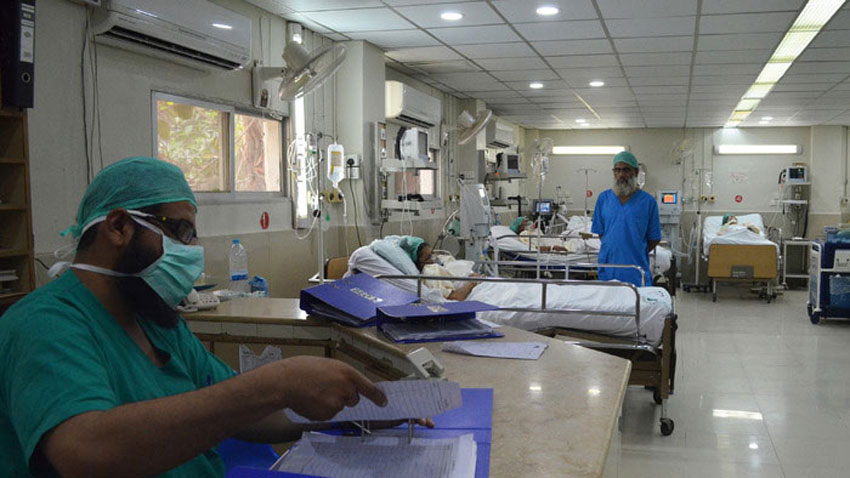
PESHAWAR — A groundbreaking study jointly conducted by Pakistan and the United Kingdom has uncovered a deeply troubling health crisis. Consequently, medical experts are now calling for an immediate overhaul of how tuberculosis (TB) is treated.
According to the initial findings of the “CONTROL” research programme, there is an alarmingly high rate of depression and anxiety among TB patients. Therefore, leading psychiatrists are urging the healthcare system to integrate immediate mental health services into routine TB care.
KP Hospitals Face Critical Shortages in Medicines, Staff: IMU Report
The Hidden Numbers Behind the Crisis
The research highlights a stark reality: depression and anxiety are currently among the leading causes of global mortality across various illnesses. While a single active TB patient can potentially transmit the infection to 10 or 15 other people, the psychological toll on the individual is equally staggering.
Key Finding: Approximately 40% of all tuberculosis patients suffer from severe anxiety and panic.
During a media briefing held at the Alexander Fleming (Senate) Hall of Khyber Medical University (KMU) Peshawar, the study’s data revealed shocking statistics:
- Out of 1,200 registered patients monitored under the project, 570 individuals exhibited severe mental health issues.
- Furthermore, nearly 66% of those affected were battling moderate to severe clinical depression.
S At the Crossroads of the Frontier: A Complete Guide to the Gates of Peshawar
Why TB Patients Fall into Deep Depression
The “CONTROL” program—which stands for COntextualized iNtegrated therapy for depression and tuberculosis to standardize care and improve outcomes in Pakistan and Afghanistan—is a joint initiative between Keele University, UK, and KMU Peshawar. It is funded by the UK’s National Institute for Health and Care Research (NIHR).
According to Chief Investigator and renowned psychiatrist Professor Dr. Saeed Farooq, the trauma of TB goes far beyond physical symptoms. Patients are frequently forced to deal with:
- Social Stigma: An intense fear of societal rejection and discrimination.
- Isolation: Extreme loneliness due to self-isolation or family distancing.
- Financial Hardship: Economic strain caused by the inability to work during prolonged illness.
Ultimately, these overlapping pressures severely disrupt the patient’s treatment compliance, making full recovery much harder to achieve.
KP Health Care Commission’s Facebook Page Hacked, FIA Notified
The Solution: Integrating Cognitive Behavioral Therapy (CBT)
To combat this dual threat, the ongoing clinical trial across various cities is testing a culturally adapted form of Cognitive Behavioral Therapy (CBT). By embedding this mental health therapy directly into traditional TB treatment, the project aims to evaluate both the clinical efficacy and the cost-effectiveness of combined care.
The ultimate goal of this research is policy-level change. By proving the benefits of psychological support, stakeholders hope to permanently incorporate mental health services into both national and provincial TB control programs. This will safeguard the lives and well-being of thousands of vulnerable patients nationwide.