
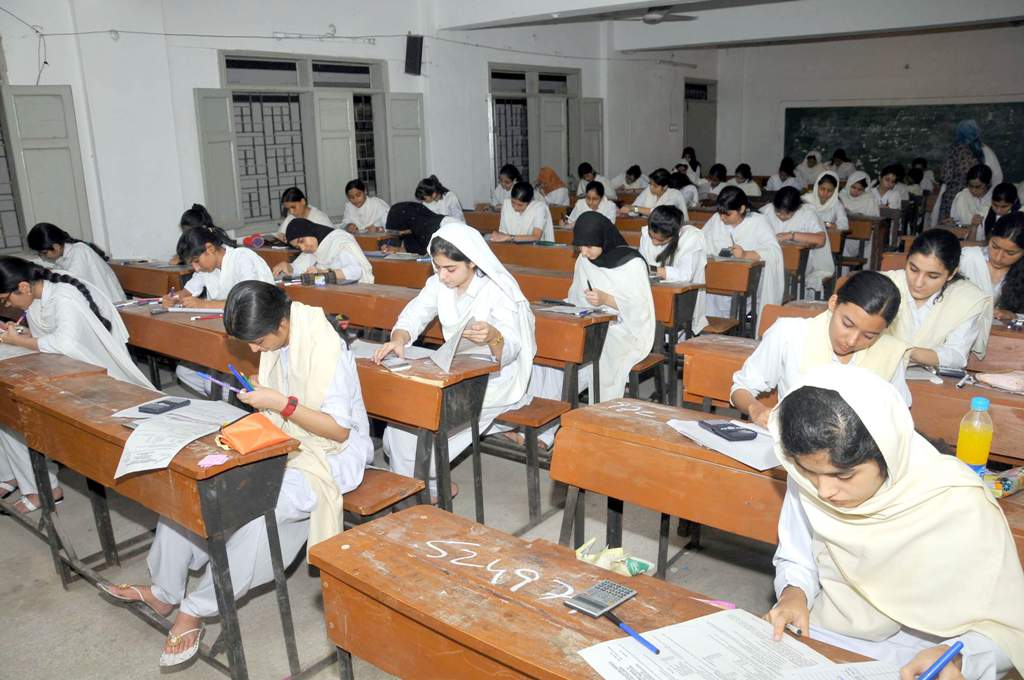
PESHAWAR — Private educational institutions in Khyber Pakhtunkhwa have submitted critical proposals to reform the current matriculation and intermediate examination framework. Specifically, they advocate for handing over examination halls to private testing agencies.
These institutions argue that formal agreements with independent agencies will ensure the genuine implementation of government policies regarding examination reforms in Khyber Pakhtunkhwa.
Chief Minister Announces 13% Increase in Education Budget
A Vote of No Confidence in the Cluster System
Aqeel Razzaq, President of the Private Education Network (HOPE), describes the cluster system as a direct expression of “no confidence” in educational boards and supervisory staff. He argues that the system provides no tangible benefits. Instead, it subjects students and parents to unnecessary mental distress and logistical hurdles.
“The cluster system reflects a lack of trust in our own boards,” Razzaq stated. “Last year’s results proved that the system failed to change the academic hierarchy.”
Validating Private Sector Performance
The leadership of private schools highlights that despite the challenges of the cluster system, their students continued to dominate the top positions in recent board exams. For years, critics suggested that private institutions secured top marks through unfair means. However, the latest results demonstrate a different reality:
- Students from private schools maintained their high performance under strict cluster monitoring.
- The results validate the rigorous academic effort and hard work invested by private educators.
- High achievers proved their merit regardless of the examination venue or supervisory staff.
The Case for Professional Outsourcing
To achieve true transparency and efficiency, HOPE suggests that the provincial government should pivot toward professional outsourcing. By involving private testing agencies, the government can eliminate biases and administrative inefficiencies. This shift would align with global examination reforms in Khyber Pakhtunkhwa, ensuring that the merit of the students remains the primary focus.
School Privatisation In KP: Govt Decide to Hands Over 1,500 Schools to Private Sector
Impact on Parents and Students
Currently, the cluster system forces students to travel long distances to unfamiliar centers. Consequently, parents face double the hardships, managing both increased costs and security concerns. Private school representatives maintain that the current system serves as a source of “mental agony” rather than an academic improvement. Therefore, they urge the government to consider these proposals to build a more stable and trust-based educational environment.