
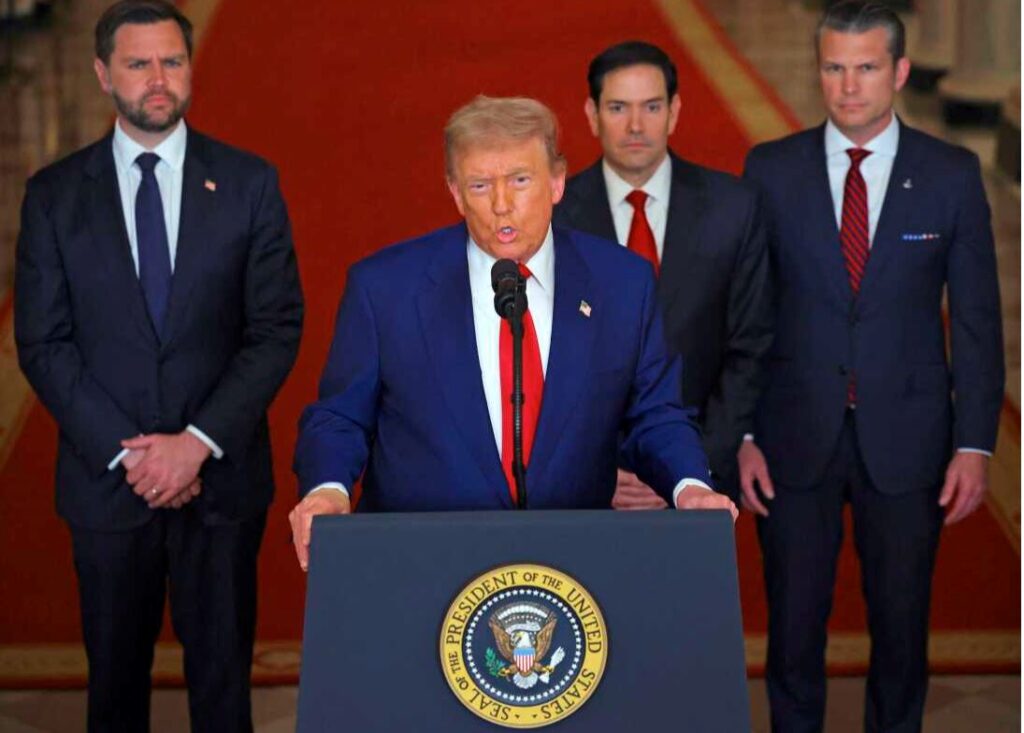
President Donald Trump announced from the White House that negotiations with Iran are moving forward. While the president claimed the Iranians “want to make a deal so badly,” multiple sources indicate that the US actually initiated the contact.
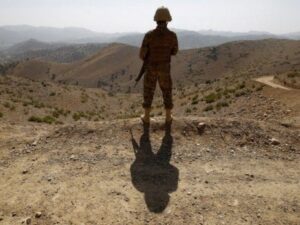
Consequently, the US has reportedly delivered a 15-point plan through Pakistan to propose a one-month ceasefire. This diplomatic outreach follows a period of intense regional friction and marks a potential shift in the administration’s strategy.
Also Read: Trump Conceals Iran Strategy from Gulf Nations Amid Naval Buildup
Furthermore, the proposed plan includes several heavy demands from the American side. Most notably, the US insists that Iran must decommission its three main uranium enrichment sites. These are the same facilities that US forces bombed last summer. In addition, the US demands that Iran cease all support for groups, like Hamas, Hezbollah, and the Houthis. Finally, the proposal requires Iran to reopen the Strait of Hormuz to international shipping.
Sanctions Relief and Nuclear Assistance
In exchange for these concessions, the 15-point plan offers Iran significant incentives. According to reports, Iran would receive relief from international sanctions that have crippled its economy. Moreover, the US would provide technical assistance to help Iran advance its civilian nuclear plans for electricity generation.
Also Read: How High Could Oil Prices Go If Iran Shuts Strait of Hormuz?
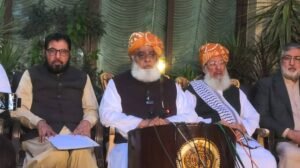
Once again, the White House has tapped Steve Witkoff and Jared Kushner as the lead negotiators for these talks. These officials may rely on Pakistan or Türkiye to act as middlemen during the delicate discussions. Therefore, the involvement of these regional powers suggests a multilateral approach to resolving the long-standing conflict.
Market Stability and Military Questions
Despite the optimistic tone from the Oval Office, several questions remain about the true intent of the negotiations. Some analysts suggest that the ceasefire talks might simply buy the US time to deploy hundreds, or even thousands, of additional troops to the region. Others believe Trump is using the negotiations to soothe jittery oil and stock markets. Furthermore, the potential reaction from Israel remains a critical variable if a formal ceasefire deal is reached.
Also Read: Strait of Hormuz: The Ancient Gateway Facing a Modern 2026 Crisis
Trump also mentioned that the Iranians have agreed to never possess a nuclear weapon. While Iran has made this promise for years, the president hinted at a more tangible development. He cryptically spoke of a “big present” involving oil or the Strait of Hormuz that recently arrived.
A Cryptic Prize and Ongoing Conflict
“It was a very big present worth a tremendous amount of money,” Trump stated on Tuesday. Although he refused to disclose the exact nature of the gift, he described it as a “very significant prize.” For the president, this gesture confirmed that the US is finally “dealing with the right people.”
Meanwhile, Iran and Hezbollah continue to trade deadly strikes with Israel. This contrast between White House rhetoric and regional violence underscores the fragility of the current peace efforts.