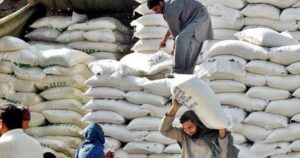

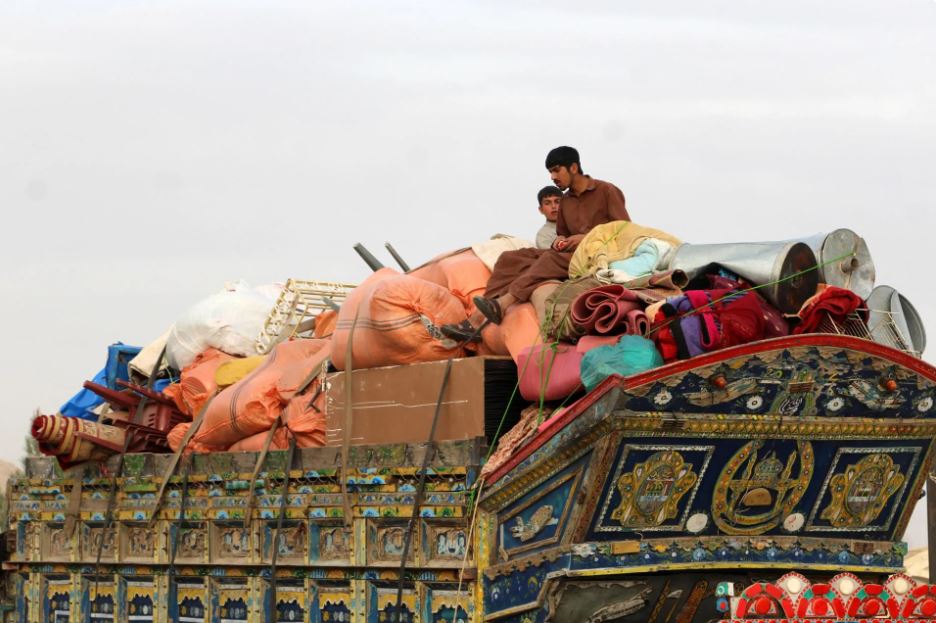
The Khyber Pakhtunkhwa (KP) government has approved a phased plan to repatriate Afghan refugees. As part of this decision, authorities will partially reopen the Pak-Afghan Torkham border specifically for organized convoys. This move aims to reduce the burden on provincial resources and enhance the overall security situation.
Furthermore, the repatriation process will occur in three distinct stages. The first phase focuses on over 2,200 Afghan nationals currently held in various provincial prisons. According to Home Department reports, Peshawar Central Jail houses over 1,000 inmates, while the Kohat and Haripur facilities hold approximately 1,200 more. Consequently, the government spends millions of rupees daily on their maintenance and security.
Also Read: KP Begins Phased Closure of Afghan Refugee Camps
Registration and Transit Protocols at Nasir Bagh
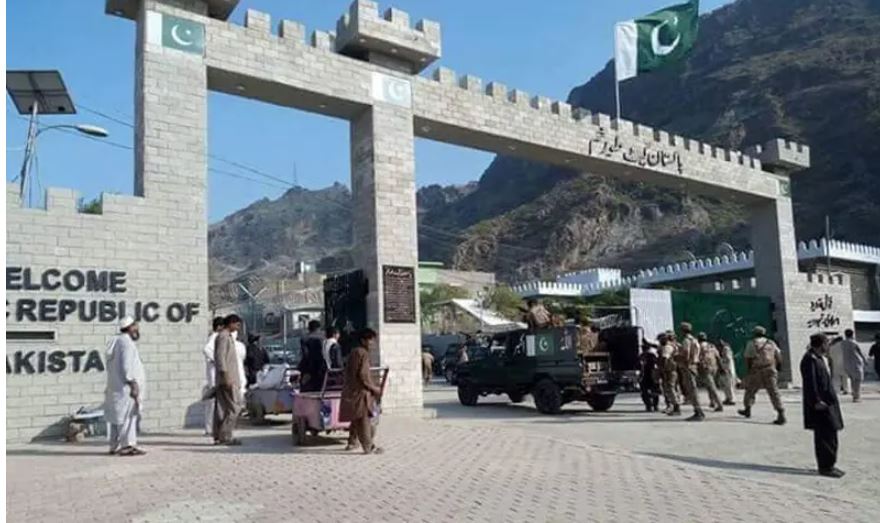
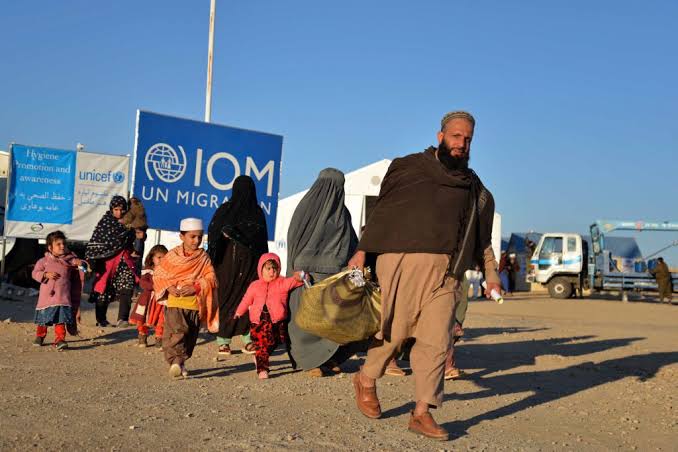
To ensure an organized exit, authorities will first move the prisoners to the Nasir Bagh camp. At this location, officials will complete a formal registration process for every individual. Once documented, the refugees will travel in guarded convoys toward the Torkham border.
Moreover, the Khyber Police will provide strict security for these groups from Jamrud to the border crossing. Officials clarified that the Torkham border remains closed to general traffic. It will open exclusively for these authorized repatriation movements to ensure a smooth transition.
Also Read: Peshawar crackdown on Afghan refugees as 37 refugee camps set for closure
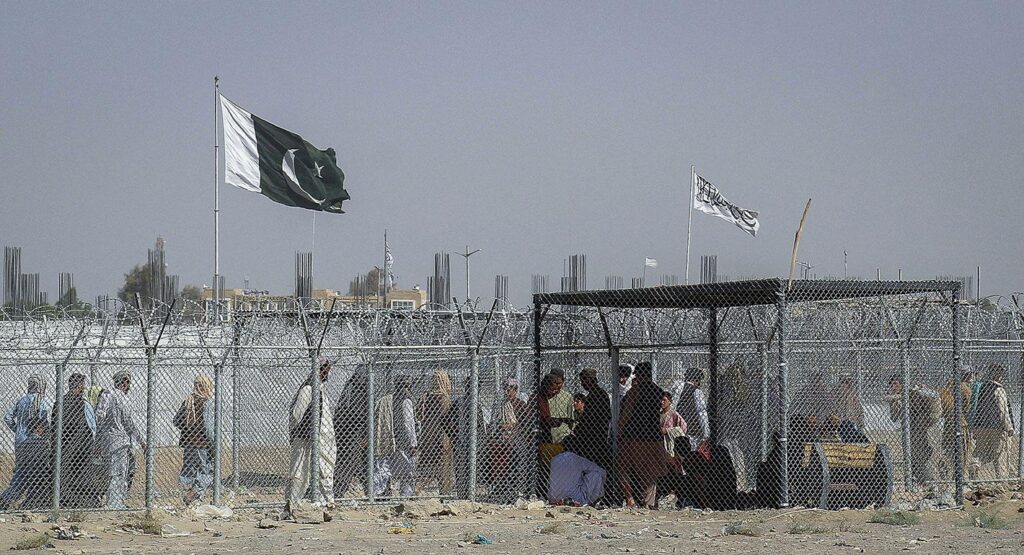
The Three-Phase Repatriation Strategy
The provincial administration has outlined a clear roadmap for the remaining populations:
- Phase One: Immediate repatriation of Afghan inmates from KP prisons.
- Phase Two: Organized return of refugees currently residing in formal camps.
- Phase Three: Identification and deportation of undocumented Afghan nationals living in various cities.
Government sources state that this strategy will significantly lower expenditures and ease the pressure on the prison system. In addition, it addresses long-standing security concerns regarding overcrowded facilities and unverified residents.
Also Read: Afghan refugee camps face electricity, and eviction
Implementation and Economic Impact
The first convoys are expected to depart as early as today. By managing this process through Nasir Bagh, the government aims to keep the repatriation dignified and systematic. This policy reflects a broader effort to regulate border crossings and manage the foreign population within the province effectively.
Finally, the Home Department emphasized that these measures are necessary for regional stability. Reducing the prison population will allow law enforcement to focus more resources on local public safety. The government remains committed to completing all three phases in a transparent and secure manner.