
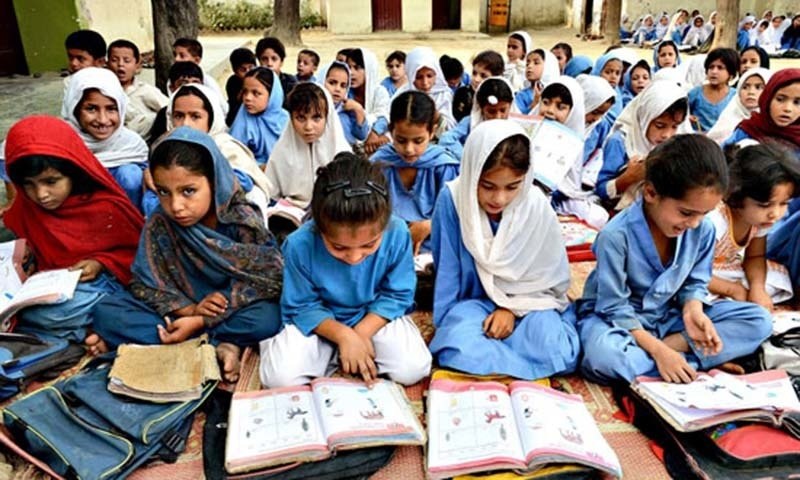
PESHAWAR — When the new academic year commenced, Shazma (name changed), a secondary school student in Charsadda, eagerly awaited the free textbooks that the provincial government promised under regional educational mandates. Weeks into her semester, her desk remained empty. Without essential learning materials, Shazma quickly began struggling to keep pace with daily lessons and critical exam preparation.
Her situation is far from isolated. Across the region, thousands of public school students face a persistent textbook shortage that directly threatens their fundamental right to a quality education. What state bureaucrats frequently brush off as minor administrative oversight is, in reality, a systemic procurement collapse with devastating impacts on student learning outcomes.
Also Read: Chief Minister Announces 13% Increase in Education Budget
Empty Desks and Photocopies: The Reality of KP Public Schools
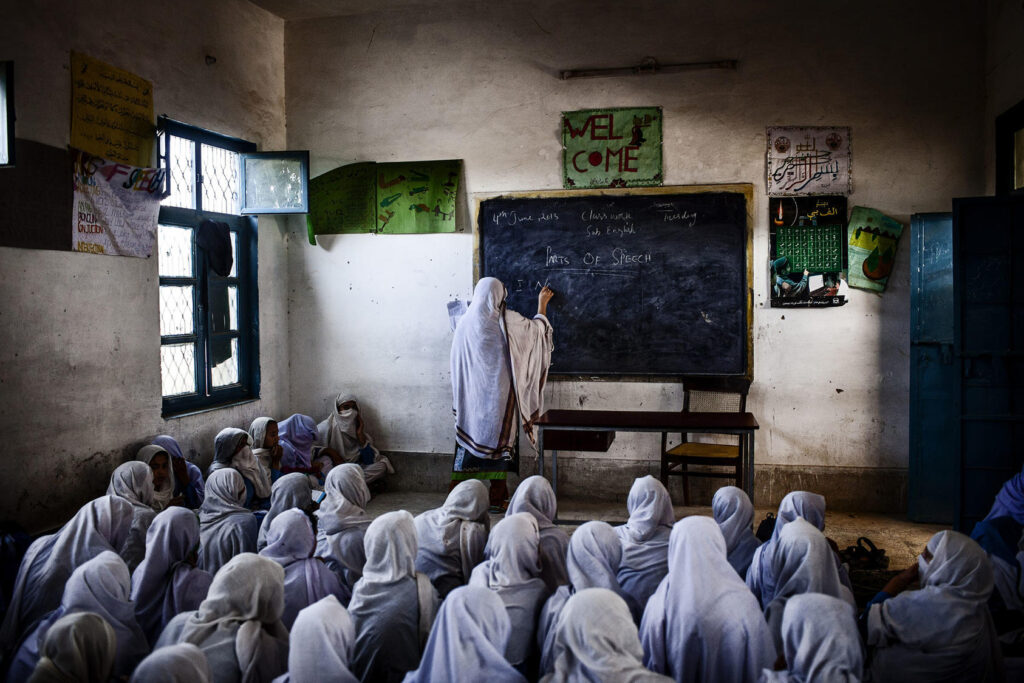
For the average public school teacher in Peshawar, Charsadda, or Mardan, entering a classroom where less than half the students have the required books has become routine. The chronic Khyber Pakhtunkhwa textbook shortage forces instructors to rely on handwritten chalkboard notes or expensive photocopies, leaving students severely lagging behind the prescribed national curriculum.
“Sometimes we receive only a few books, sometimes they are damaged, and sometimes they arrive at the end of the year,” Shazma shared, explaining the compounding frustration. “How can we study properly like this?”
The operational failures ripple far beyond the classroom walls. Families already crushed by historic inflation and a soaring cost of living must absorb these systemic deficiencies.
Also Read: Textbook shortage in KP disrupts new school year as govt scrambles to act
“Public education is supposed to be free,” says Meeran Shah, a father of three daughters living in Peshawar. “But every month we have to manage transport, uniforms, exam fees, and stationery. Buying textbooks from the open market is simply impossible for many families. For parents with multiple children, these combined costs are overwhelming.”
Gender Disparity: Why the Textbook Crisis Hits Girls Hardest
For marginalized households living near or below the poverty line, the absence of free learning materials erects an insurmountable barrier. While some students manage by borrowing from classmates or sharing materials, many learn without any curriculum access.
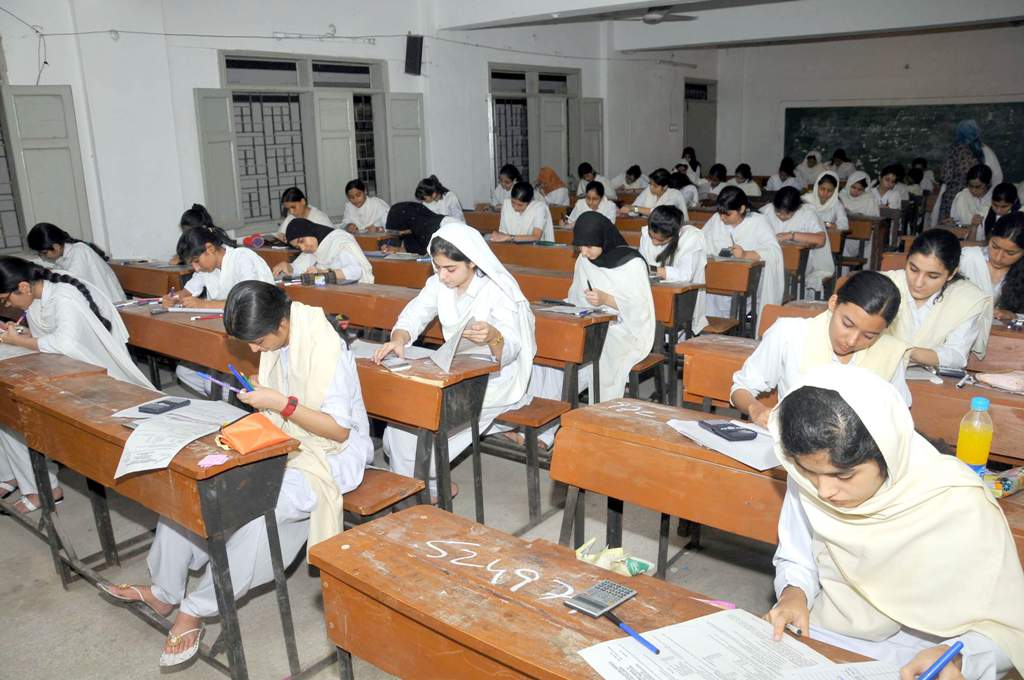
This structural vulnerability falls hardest on young girls. In Khyber Pakhtunkhwa, female students already navigate a gauntlet of socio-cultural hurdles, including:
- Deep-seated economic poverty
- Long, unsafe commuting distances to schools
- Fragmented local security and safety concerns
- Restrictive regional social norms
When the state fails to deliver on its promise of free materials, families who must purchase textbooks privately almost universally prioritize the education of boys. Consequently, the Khyber Pakhtunkhwa textbook shortage places girls at an exponentially higher risk of falling behind academically, facing classroom exclusion, or dropping out entirely.
Also Read: Chief Minister Announces 13% Increase in Education Budget
Enrolment vs. Education: The Constitutional Disconnect
The widening chasm between official state narratives and the lived experiences of students highlights a severe lack of governmental transparency. While public officials maintain that textbook distribution tracks operate smoothly, parents and community leaders report an absolute void of child-friendly grievance or reporting mechanisms.
Qamar Naseem, program manager at the civil society organization Blue Veins and a recognized Malala Fund Education Champion, argues that the issue exposes a foundational flaw in how state metrics track academic success:
“Access to education cannot be measured by enrollment numbers alone. A child sitting in a classroom without textbooks is not fully benefiting from their constitutional rights. The timely provision of quality textbooks is fundamental, especially for young girls and children from deeply disadvantaged families.”
Also Read: National Assembly Bans Plastic Book Covers for Plastic-Free Schools
The Legal Framework vs. Implementation Gap
The persistent delays stand in direct violation of state legislative safeguards that protect Pakistan’s youth:
| Legislation / Legal Safeguard | Core Guarantee |
| Article 25-A (Constitution of Pakistan) | Guarantees free and compulsory education to all children aged 5 to 16 as a fundamental right. |
| KP Free Compulsory Primary & Secondary Education Act | Mandates the operational framework, logistics, and zero-cost resource mapping for state public schooling. |
If the timely provision of free learning materials is legally mandated and central to public policy, the public sector leaves a glaring question of accountability: Why do these critical shortages consistently drag on months into the academic year?
The Path Forward: Procurement, Auditing, and Redress
Resolving Khyber Pakhtunkhwa’s educational deficit does not require drafting new legislation—it demands the aggressive implementation of existing laws.
Also Read: KP Launches Initiative to Provide Free School Bags
To prevent future academic delays, independent educational watchdogs recommend a three-pronged governance reform to permanently solve the Khyber Pakhtunkhwa textbook shortage:
- Pre-emptive Procurement: The KP Textbook Board must initiate paper procurement, printing tenders, and logistical contracts at least six months before the start of the academic calendar.
- Transparent District Auditing: Local educational authorities must maintain public registries detailing exactly when, where, and how many textbook sets they deliver to individual schools.
- Child-Friendly Complaint Channels: Direct, accessible digital or telephonic hotlines would empower parents and students to report local shortages without fear of bureaucratic pushback.
Ensuring that every child has a complete set of textbooks on the very first day of school is a basic administrative duty. Yet, for millions of students across Khyber Pakhtunkhwa, this simple logistical chain dictates whether their academic year begins on time—and whether the promise of constitutional equality will ever be fulfilled.