
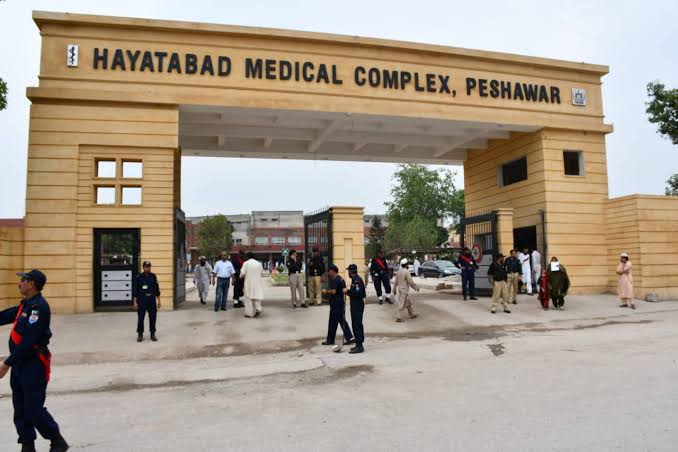
PESHAWAR — The Medical Teaching Institution, Hayatabad Medical Complex (MTI-HMC), has embarked on one of the most comprehensive institutional reform programmes in its history. Over the past six months, the institution has delivered measurable results across governance, financial discipline, and accountability — signalling a decisive shift from legacy civil-service frameworks toward a modern, performance-driven institution.
New Governance Architecture
The Board of Governors has approved three landmark policy instruments for 2026: the HR Policy Manual, Recruitment and Promotion Regulations, and revised Institutional Pay Scales — all representing a clear departure from the outdated civil-servant rules that previously governed the MTI. These documents establish a merit-based, accountable people-management framework tailored specifically to the needs of a large public teaching hospital.
KP orders acceleration of Rs16bn police projects in merged districts
The Management Committee has been fully reconstituted in line with the MTI Act and now convenes on a weekly basis, ensuring backlogged institutional issues are resolved systematically while proactively addressing emerging challenges. Three new oversight bodies have been established to strengthen institutional checks and balances:
Audit Committee
Provides independent oversight of financial reporting and internal controls.
Finance Committee
Reviews budgets, expenditures, and revenue strategies to ensure fiscal prudence.
Grievances Committee
Provides a structured, fair redressal mechanism for staff and patients.
KP Govt, World Bank Launch Smog Action Plan to Clean Peshawar’s Air
Financial Discipline and Anti-Fraud Measures
A newly established internal audit department has become a cornerstone of HMC’s financial reform agenda. The department’s mandate is to identify systemic weaknesses, prevent financial leakage, and ensure timely corrective action. Its early work has already yielded significant results: several employees — including senior managers — have been terminated following confirmed cases of financial fraud and document forgery, sending a clear institutional signal that misconduct will not be tolerated.
“These reforms are not just procedural — they represent a cultural shift toward accountability, transparency, and sustainable institutional management at MTI-HMC.”
Campus security has been substantially reinforced in parallel. Over the past four months alone, 25 theft attempts were intercepted and referred to police authorities. A new Parking Committee has eliminated illegal parking and unauthorised entry across the complex, while an organized campaign has removed unauthorised beggars from hospital premises — improving the patient experience and institutional environment.
Financial Reform Package: Projected Gains
A wide-ranging financial reform package — currently in active implementation — is expected to generate transformational gains for the institution. The combined impact of these measures is projected to deliver over Rs 3 billion in annual financial value through new revenues and cost reductions.
| Reform Measure | Type | Projected Annual Value |
|---|---|---|
| SSP and IBP Reforms | Revenue Generation | Rs 2.5 Billion |
| Cash Collection & Registration Controls | Revenue Generation | Rs 150 Million |
| Tax & NPO Compliance Optimisation | Revenue + Tax Relief | Rs 150 Million |
| SLA & Biomedical Equipment Controls | Expenditure Reduction | Rs 174 Million |
The SSP and IBP reforms are the single largest contributor, projected to generate Rs 2.5 billion annually. Enhanced controls over cash collection and patient registration will add a further Rs 10 million per month, with annual collection targets set at Rs 150 million. Optimised tax compliance and NPO status management will similarly yield Rs 150 million annually while also providing meaningful income tax relief to IBP consultants — a benefit that supports recruitment and retention of specialist staff. Finally, renegotiated Service Level Agreements and tighter biomedical equipment oversight are expected to reduce annual expenditure by Rs 174 million.