
PESHAWAR—A mass exodus of healthcare professionals is crippling the medical infrastructure of Khyber Pakhtunkhwa (KP). High salaries, attractive benefits, and worsening local conditions abroad are driving this critical migration.
In the latest wave, 55 more doctors and nurses from both public and private hospitals in Peshawar and across the province resigned from their posts to relocate overseas.
This recent departure contributes to a devastating, larger trend. To date, more than 9,000 doctors, nurses, and paramedics have left the province to pursue international career opportunities. Medical professionals from the newly merged tribal districts make up the vast majority of those leaving, creating a severe healthcare vacuum in Pakistan’s most vulnerable regions.
Skyrocketing Resignations Hit Public and Private Sectors
The current wave of departures hits both state-funded healthcare facilities and private institutions directly. Out of the latest group of migrating medical professionals, 35 doctors and nurses walked away from positions in various government hospitals. Meanwhile, more than 20 healthcare workers left their jobs within the private sector.
Medical sources confirm that this migration is not a temporary spike but a permanent, annual trend. Every year, dozens of top-tier doctors, nurses, paramedics, and engineers formally cut ties with local institutions. Families lose their trusted care providers overnight, while short-staffed hospitals struggle to manage the daily influx of patients across KP.
Security Concerns and Inflation Fuel the Flight
Two primary catalysts drive this unprecedented Khyber Pakhtunkhwa medical brain drain: financial instability and deteriorating provincial security.
- Economic Pressures: Historic inflation and a stagnant domestic salary structure prevent healthcare professionals from maintaining a stable standard of living. International healthcare networks offer lucrative compensation packages that local markets simply cannot match.
- Volatile Security Situation: Worsening safety conditions and volatile security realities across the province force professionals to prioritize their personal safety. Doctors and engineers face increasing operational risks, making overseas employment the only viable alternative for survival.
This combination of factors hits the tribal districts of KP the hardest. Professionals originally stationed in these remote areas are leading the migration wave, abandoning localized duties due to the heightened safety risks and lack of infrastructure.
A Legal and Systemic Crisis for Patient Care
The mass departure violates the spirit of constitutional health mandates and basic human rights, as local communities lose access to essential, life-saving medical care.
| Sector Affected | Recent Resignations | Cumulative Provincial Exodus | Primary Drivers |
| Public Hospitals | 35 Doctors & Nurses | Over 9,000 Total Healthcare Workers | Low Pay, Security Risks, Poor Infrastructure |
| Private Hospitals | 20+ Doctors & Nurses | Included in Total | Lack of Career Progression, Economic Crisis |
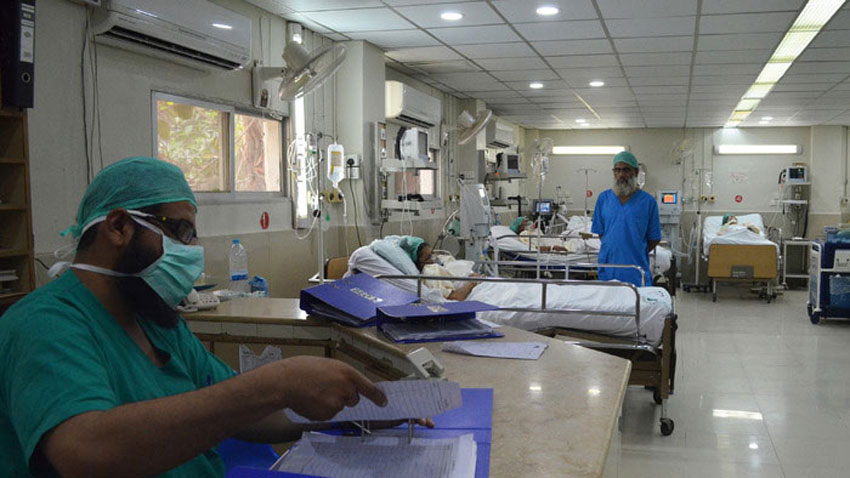
The systemic flight of talent leaves rural clinics completely abandoned and forces major tertiary hospitals in Peshawar to operate with skeletal staff.
The Path Forward: Urgent Institutional Reforms
Medical experts warn that the province faces an absolute collapse of its healthcare delivery system if the government does not act immediately. Resolving the Khyber Pakhtunkhwa medical brain drain requires aggressive, targeted structural reforms:
- Competitive Hardship Allowances: The provincial government must introduce substantial financial incentives and competitive salary packages, particularly for professionals serving in the tribal districts of KP.
- Robust Security Protocols: Law enforcement agencies must provide dedicated security clearings and protective frameworks for medical personnel working in high-risk zones.
- Career Progression Pathways: Public and private health healthcare models must offer transparent promotion tracks and advanced research opportunities to retain top-tier talent within the country.
Without immediate intervention, the steady flight of medical professionals will turn hospitals across KP into empty shells, completely stripping millions of citizens of their fundamental right to healthcare.