

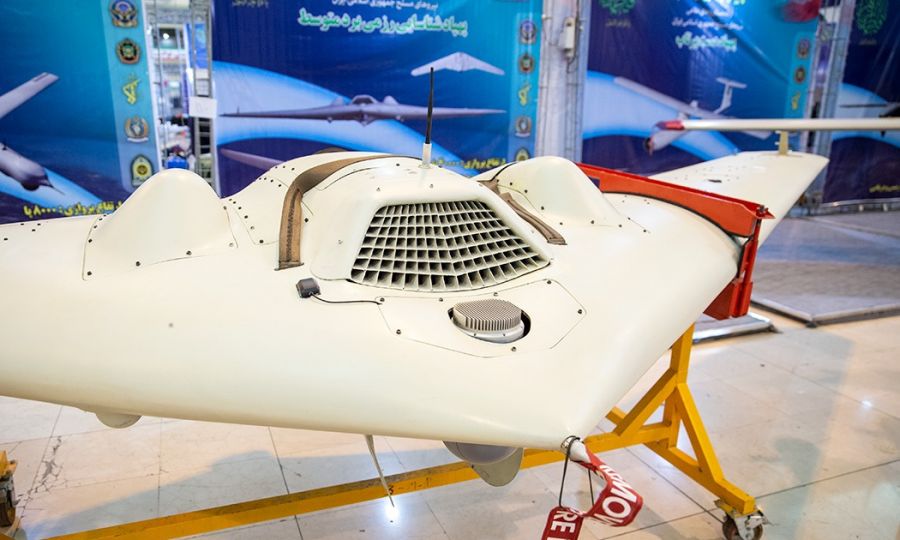
The buzzing sound of Iran’s Shahed Drones has become the most feared noise in modern conflict zones. From the high-rises of Kyiv to the strategic ports of Bahrain, Shahed is rewriting the rules of aerial engagement. It is forcing superpowers to rethink their multi-billion dollar defense strategies.
The Deadly Math: Why Simplicity Wins
The Shahed drone’s superiority doesn’t come from stealth or speed; it comes from attrition. Analysis of recent aerial campaigns reveals a chilling tactical shift:
- Low Cost, High Impact: While a cruise missile costs millions, a Shahed Drone is produced for a fraction of that.
- The Swarm Tactic: Russia and Iran launch these in “swarms” to overwhelm expensive radar systems.
- Deadly Precision: Despite their simple engines, these “kamikaze” drones carry enough explosives to level power structures.
Kamikaze Drone: Iran’s Shahed-136 | How It Works — via AiTelly
— Warzone Watch (@waralerts0) March 5, 2026
The Shahed-136 is a long-range loitering munition designed to fly toward a target and detonate on impact. Powered by a small piston engine and guided by satellite navigation, the drone carries an explosive warhead… pic.twitter.com/o4uYwThV6v
From Iranian Factories to Russian Frontlines
The partnership between Tehran and Moscow has evolved. While Iran initially supplied the hardware, Russia has now secured the technology. By utilizing Chinese components, Russia is reportedly manufacturing its own versions of the Shahed. This domestic production means the Kremlin no longer waits for shipments from Tehran; they are building a self-sustaining arsenal to strike Ukrainian cities indefinitely.
Ukraine’s Defense Crisis: The Patriot Bottleneck
Ukraine has become remarkably proficient at shooting Shaheds out of the sky. However, the drones are often just the “bait.” Behind the drones come Russian ballistic missiles, which are far harder to stop.
To survive, Ukraine relies almost entirely on the U.S.-made Patriot Missile Interceptor System.
Strait of Hormuz: The Ancient Gateway Facing a Modern 2026 Crisis
The Global Stockpile Problem
The Patriot system is currently the most sought-after defense hardware on the planet. U.S.-allied Gulf countries are also using them to stop Iranian missiles. This creates a dangerous “supply and demand” gap:
- High Burn Rate: Interceptors are being fired faster than they can be manufactured.
- Shifting Priorities: Ukraine fears it may slip down the list of U.S. military priorities as Middle East tensions rise.
A Deal of Desperation: Drones for Missiles
Due to the severity of the shortage, Ukraine is now making an unprecedented proposal to the international community.
The Trade: Ukraine is offering its battle-tested anti-drone technology to Gulf nations in exchange for their Patriot missile stocks.
This “desperation deal” is a gamble to keep Ukrainian air defenses alive as the war of attrition enters a more volatile phase.
The Future of Attrition Warfare
Iran’s Shahed drone has proven that expensive, high-tech jets aren’t always the winners of modern war. As Russia hones its domestic drone production and Ukraine hunts for interceptors, the world is watching a new era of low-cost, high-effective warfare.