
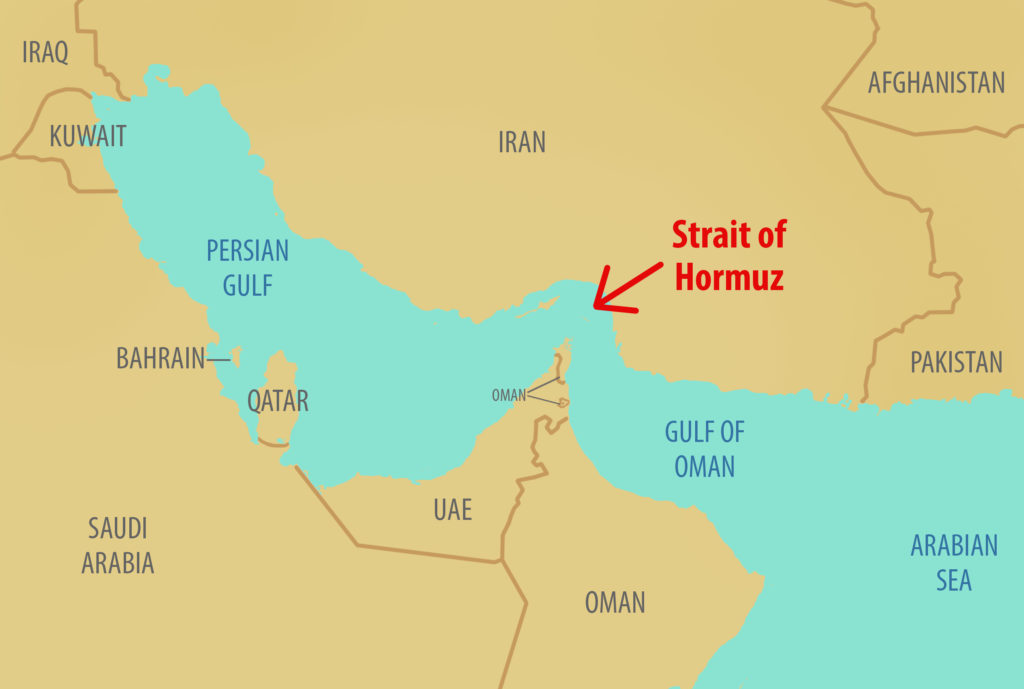
The Strait of Hormuz currently dominates global headlines as geopolitical tensions push this narrow waterway to the center of an international crisis. While many observers view it as a modern flashpoint, this small passage has served as a vital artery for global commerce for thousands of years.
A Legacy of Ancient Commerce
The strategic importance of the Strait dates back to the seventh century. During this era, traders began moving commercial goods from Southeast Asia to the Arabian Peninsula via the Indian Ocean. This thriving maritime trade brought immense prosperity to regional hubs and distant cities like Damascus.
Pakistan textile industry: how the sector fights to stay competitive
Eventually, maritime trade between Europe and Asia reached its peak as merchants sought better alternatives to the famous Silk Road. Sea routes offered a distinct advantage because sailors encountered neither sandstorms nor severe weather common on land journeys. Furthermore, ships bypassed the grueling need for cargo animals to navigate difficult mountain and desert paths.
The Rise and Fall of a Maritime Monopoly
For centuries, the Strait remained the heart of global trade. However, the 16th century brought a significant shift when Portuguese explorers, led by Vasco da Gama, discovered a direct sea route from Europe to Asia. By sailing around Africa’s Cape of Good Hope, Portugal bypassed the heavy fees of Arab and Persian traders. This discovery broke the regional monopoly and transformed Portugal into Europe’s leading maritime power, causing the Strait’s influence to wane for several centuries.
Pakistan’s Current Account Deficit Rises Amid Slowing Remittances, Heavy Imports
The Modern Resurrection: Suez and Oil
Two major historical milestones restored the Strait of Hormuz to its global standing:
The Suez Canal (November 17, 1869): The opening of this waterway revolutionized global travel. It created a shorter, cheaper, and faster shortcut between Europe and Asia. By eliminating the need to sail around Africa, the canal channeled massive trade volumes back through the Strait.
The Discovery of Oil (1908): When Iran discovered oil in 1908, it became the first nation to export energy through the Persian Gulf. Other Gulf states followed in the subsequent decades, turning the Strait into the world’s premier energy corridor.
Pakistan’s Eggs Find A New Market: America Joins the Export List
A Chokepoint Under Pressure
Today, the Strait of Hormuz stands as the most important route for global oil and gas exports. However, its strategic value also makes it a frequent target for conflict. While past disputes led to temporary restrictions or traffic disruptions, the current 2026 escalation marks a historic turning point.
For the first time, the Iranian Revolutionary Guards have claimed complete control and effectively closed the route. This unprecedented blockade threatens to paralyze global energy markets, reminding the world of its fragile dependence on this ancient, narrow passage.