
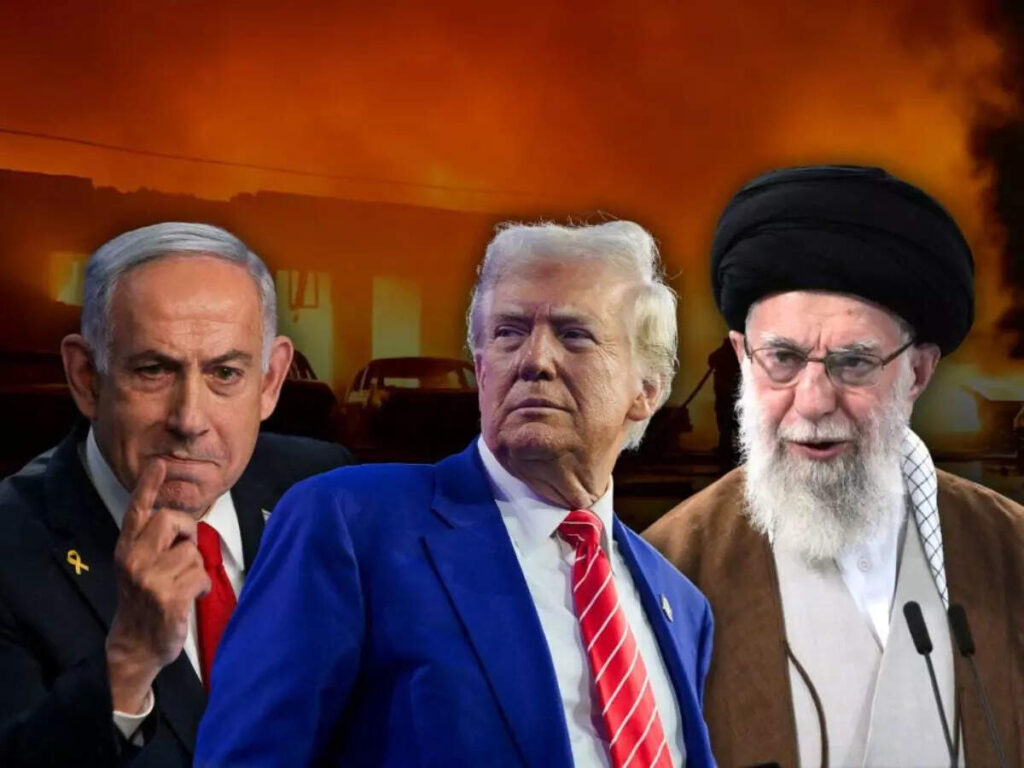
The Persian Gulf is once again a tinderbox. As President Trump ramps up his rhetoric, an American naval ‘armada’ is actively deploying to the region, signaling that Washington is moving beyond mere threats toward actual war preparations. This shift has pushed the Middle East to a dangerous crossroads, with both sides preparing for a confrontation that could reshape the global order.
The War Room: Coordination and Pressure
In Washington, the drumbeats of war are growing louder. Reports suggest that high-level officials within the Trump administration are pushing for a “hard strike” against Tehran. This momentum stems largely from an active pro-Israel lobby within the US Congress, which is working tirelessly to pave the way for military intervention.
To prepare for the fallout, the head of US Central Command (CENTCOM) recently held strategic consultations with Israeli officials. Furthermore, the UK, UAE, and Jordan are reportedly standing by to share operational data and provide intelligence support. These allies are expected to play a critical role in intercepting Iranian drones and missiles should the “cold war” turn hot.
Tehran’s “Unimaginable” Defense
Iran is not sitting idly by. Tehran has issued a chilling warning: any American mistake will trigger a response “beyond imagination.” Iranian commanders have already programmed their missile batteries to target US interests throughout the Gulf.
Perhaps most concerning for US intelligence is the “knowledge gap.” Despite intense surveillance, American agencies have failed to identify certain “sensitive and dangerous” weapons that Iran claims to possess. If the US truly understood these capabilities, President Trump’s tone might be even more aggressive—or perhaps more cautious. Adding to the tension, a series of Chinese transport planes recently arrived in Iran, likely delivering sophisticated machinery and hardware designed to bolster Iranian defenses against an aerial assault.
Diplomacy vs. Subversion
While Israel and the US move toward escalation, regional neighbors like Saudi Arabia, Oman, and Qatar are working behind the scenes to prevent a catastrophe. They understand that a full-scale war would destabilize the entire energy market and their own security.
Meanwhile, a psychological war is unfolding. Reza Pahlavi, the son of the late Shah, is using media platforms to incite a domestic uprising against the current regime. While his propaganda initially gained some traction, the movement appears to be stalling. Most Iranians protesting today are targeting the government’s economic failures and high inflation rather than seeking a return to the Pahlavi monarchy—a regime many remember for its own brand of hardship.
The Stake for Pakistan
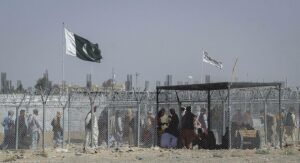
The consequences of this conflict reach far beyond the Gulf. Maulana Fazlur Rehman, head of Jamiat Ulema-e-Islam, recently highlighted a terrifying prospect for Islamabad. He warned that if the US attacks Iran, “Israel will stand on the Taftan border.” This would place a hostile military presence directly on Pakistan’s doorstep, threatening the country’s sovereignty and national integrity.
The world now waits to see if President Trump’s volatile nature leads to a signature “deal” or a devastating regional war.