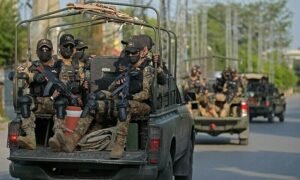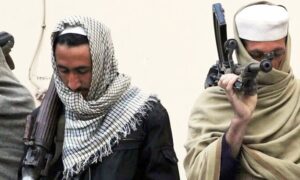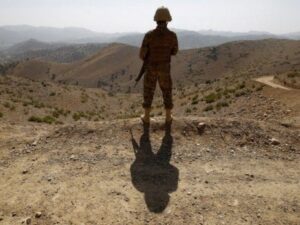

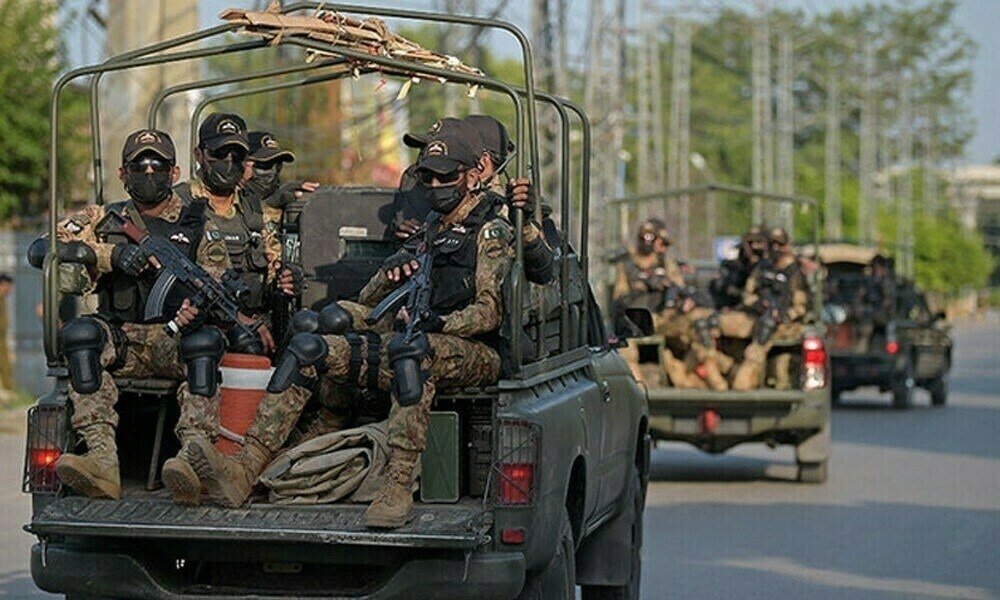
PESHAWAR – After a long tug of war, the authorities have finally imposed an emergency in Khyber Pakhtunkhwa (KP). The decision goes far beyond routine administration. Deteriorating law and order, persistent terrorism and a bitter political struggle between the federal and provincial governments have together pushed the province to this point. When disputes paralyse cooperation between governments and blame games overshadow public safety, tough decisions become unavoidable. Still, no one should treat this stage as normal, and it does not bode well for the province.
How Khyber Pakhtunkhwa Reached This Point
The province has suffered from prolonged political and administrative mismanagement alongside a wave of terrorism, and the provincial government repeatedly fell short of its responsibilities. In such circumstances, governments owe their citizens a shared strategy, effective intelligence cooperation and stronger law enforcement capacity, not efforts to prove each other a failure. These priorities apparently never reached the top of the agenda. The federal government voiced serious concerns over the worsening security situation and the provincial government’s role in counter-terrorism operations, and it then chose the path of constitutional measures.
Legal Clarity Is Essential
An extraordinary step of this kind demands a clear explanation of its legal basis, its jurisdiction, and its duration. National security cannot stand apart from constitutional limits and democratic accountability, and the public deserves to know exactly what the emergency allows and when it will end.
The Real Test for the New Administration
Federal intervention and the new administrative setup now face their biggest test: pulling the province out of a grave crisis. A change of administration will only carry meaning if it gives citizens real protection, improves the performance of state institutions, and puts law and merit ahead of political affiliation. The new administration must make the elimination of terrorism and the restoration of peace its top priority. Equally, it must protect civil liberties and fundamental rights and keep everyday public services running without interruption.
Political Fallout Cannot Be Ignored
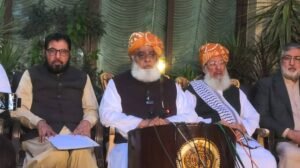
The decision will carry political consequences. If people see it as a move to suppress political rivals or curb provincial autonomy, the distance between the Centre and the province could grow even wider. The government therefore needs full transparency about the decision’s objectives, legal justification, limits of authority, and outcomes. Political leaders who oppose the move should present their case through peaceful protest and constitutional forums, while the federal government must keep the doors of dialogue open.
Measuring Success
Neither government should treat the emergency as a political victory, nor should either side view it simply as a defeat. Its success depends on clear outcomes: the safety of citizens, a decline in terrorism, transparent administration and a cooler political climate. The people of Khyber Pakhtunkhwa need peace, justice and dependable governance, not a power struggle between rival centres of authority. The coming months will reveal how hard the authorities must work to meet this standard and how they prove the value of their decision.