
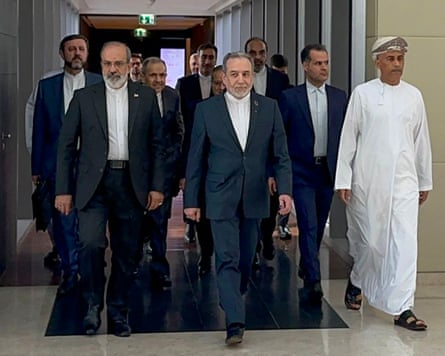
High-stakes negotiations between the United States and Iran are set to commence today in Oman, marking a critical attempt to de-escalate tensions and prevent a devastating regional conflict.
Following a request from Tehran to shift the venue from Istanbul to Muscat, the talks aim to address the long-standing nuclear standoff. Iranian officials have specifically requested that the dialogue remain focused strictly on the nuclear program to ensure the discussions serve as a continuation of previous mediation efforts facilitated by Oman.
The Shift to Muscat: Strategic and Political
The relocation to Oman is a significant development in current diplomacy. While initial plans in Turkey potentially included a broader framework involving regional powers—such as Pakistan, Saudi Arabia, Qatar, Egypt, and the UAE—Tehran has pushed for a bilateral format.
- The Iranian Stance: An Iranian official emphasized that negotiations should proceed without “preconditions.” The Iranian leadership has expressed a willingness to engage in “fair and equitable” talks, provided the environment is free from “unreasonable expectations.”
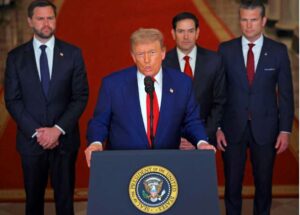
- The U.S. Perspective: President Donald Trump has offered mixed signals regarding the diplomatic opening. While he has avoided the threatening rhetoric of the past, he recently warned that the Iranian leadership should be “very worried” if a deal is not reached.
Key Obstacles: Missiles, Proxies, and Red Lines
Despite the optimistic shift to the negotiating table, a major gap remains between Washington and Tehran. The success of the Muscat round largely depends on the flexibility of both parties regarding the agenda.
- Broad vs. Narrow Agenda: The U.S. administration, under pressure from regional allies including Israel, continues to signal that a comprehensive deal should address Iran’s ballistic missile program and its support for regional groups like Hezbollah and the Houthis.
- The Nuclear Priority: Iran maintains that its missile capabilities and regional ties are defensive and not subject to negotiation. Tehran seeks a return to a framework that mirrors the 2015 nuclear deal (JCPOA), which the U.S. exited in 2018.
Regional Stakes and the Risk of Failure
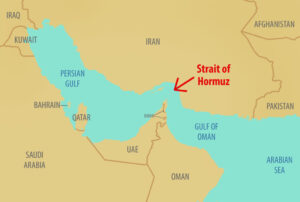
The buildup of U.S. military assets near Iranian borders has brought the region to a precarious point. Diplomats from across the Middle East—including representatives from Pakistan—are actively monitoring the situation, acutely aware that a diplomatic failure could ignite a catastrophic regional war affecting the global economy.
While the resumption of diplomacy is a welcome development, observers remain cautious. Until all participants approach the crisis with “good faith” and move away from “maximum demand” strategies, the threat of a destructive conflict continues to loom over the Muscat summit.