
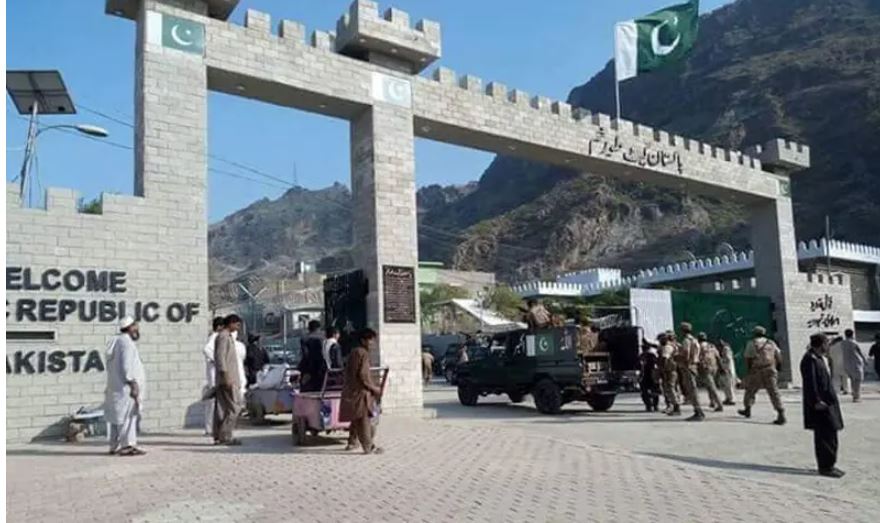
The Khyber Pakhtunkhwa Chief Minister, Sohail Afridi, has ordered immediate assistance for families trapped at the Torkham crossing as the border closure entered its 55th day.
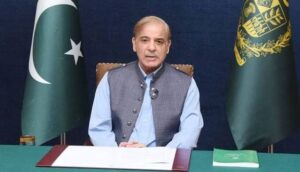
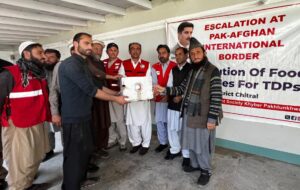
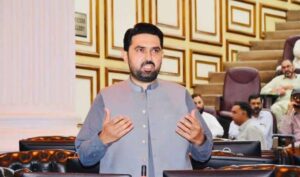
Speaking via video link at the 41st provincial cabinet meeting, Afridi directed officials to move food, water and essential supplies to the men, women, children and elderly stranded at the border.
Afridi used the meeting to criticise the continued solitary confinement of the Pakistan Tehreek-e-Insaf (PTI) founder, Imran Khan, and his wife, calling the treatment unlawful and unacceptable. He said the provincial government rejected what he described as punitive measures targeting a non-political, veiled woman.
He also accused federal ministers of acting “inhumanly and illegally” during their recent press briefing. Afridi said their remarks risked heightening political tensions and further straining the national climate.
The chief minister said his administration had already issued its good-governance plan and was continuing to implement reforms. He directed civil officers to join official meetings through digital platforms to cut government costs and improve administrative efficiency.
Afridi said all government, autonomous and semi-autonomous departments would now conduct recruitment exclusively through the Educational Testing and Evaluation Agency, barring private testing firms from public-sector hiring.
He told the cabinet that the province had presented its case “with clarity and confidence” during recent National Finance Commission discussions. He said participants supported the province’s position, but added that the merged districts’ share , worth 1375bn rupees, remained excluded from the formula.
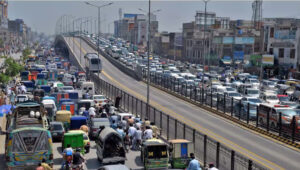
Afridi said the prolonged border shutdown had caused severe hardship for drivers and families stuck at Torkham, creating a humanitarian situation that required rapid intervention.
He instructed the Khyber district administration to ensure uninterrupted relief delivery and ordered the provincial government to prioritise bulletproof vehicles for civil officers, particularly those in district administrations, directing departments to remove all delays in their procurement.