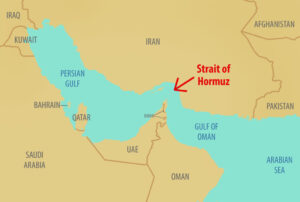

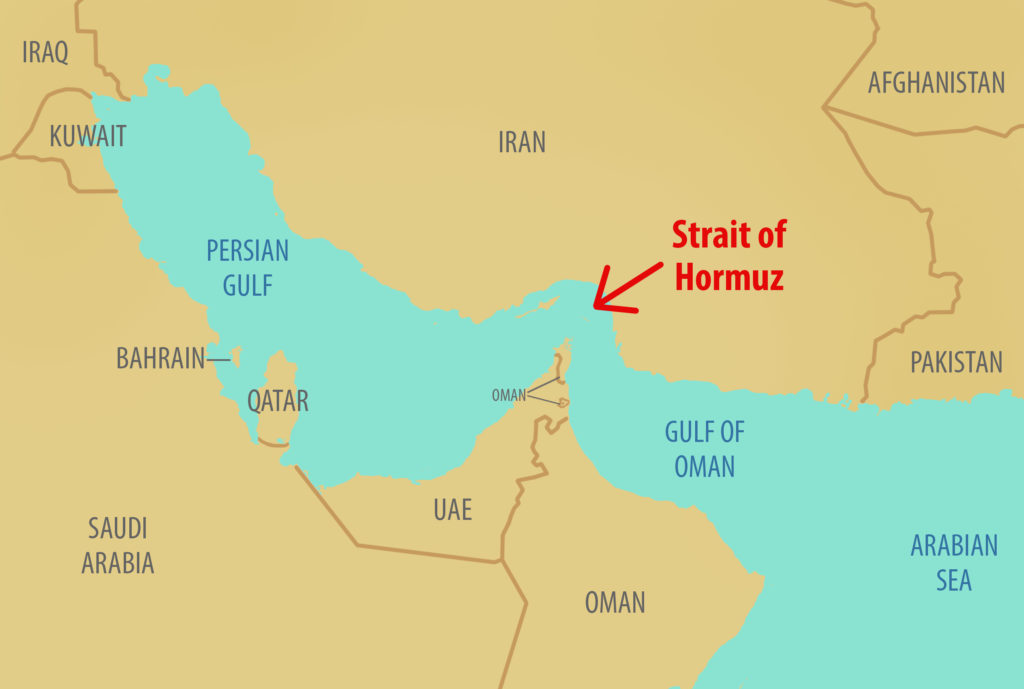
On February 28, a shipping lane just 33 kilometers wide transformed from a global artery into a geopolitical chokehold. When the United States and Israel launched their war on Iran, Tehran effectively triggered a Strait of Hormuz blockade.
While global headlines immediately fixated on the predictable surge in oil and gas prices, a more silent and lethal crisis began to unfold. This disruption strikes at the very foundation of global food security: the price of bread.
Strait of Hormuz: The Ancient Gateway Facing a Modern 2026 Crisis
The Breakdown of Global Fertilizer Supply Chain
The Strait of Hormuz serves as the exit point for one-third of all fertilizer shipped by sea. Following the outbreak of hostilities, traffic through this narrow passage dropped by 97 percent. This collapse isolates a massive portion of the 16 million tons of fertilizer that left the Gulf in 2024. Of that volume, two-thirds consisted of urea—a nitrogen-based compound that farmers depend on to grow staple crops like maize.
The connection between energy and food remains direct and unforgiving. Manufacturers produce urea from natural gas; consequently, when gas prices spike, urea prices follow within weeks. This economic tethering mirrors the commodity boom of 2008 and the onset of the war in Ukraine.
In the current conflict, the chain of causality holds firm: the Strait of Hormuz blockade closes the route, gas prices spike, and fertilizer becomes expensive. Farmers who cannot afford the input use less, causing yields to drop and food prices to rise. This sequence hits the poorest households the hardest.
Tracker: The Conflict-to-Hunger Pipeline
- The Trigger: War closes the 33km-wide strait.
- The Energy Spike: Natural gas costs surge immediately.
- The Agricultural Toll: Urea prices follow gas trends within weeks.
- The Result: Smaller harvests and higher grocery bills for families globally.
Regional Vulnerabilities and the Hunger Crisis
The geography of this crisis reveals a stark vulnerability for specific nations. Sudan, already the site of the world’s largest hunger crisis, imports 54 percent of its fertilizer from the Gulf. Sri Lanka relies on the region for 36 percent of its supply, while Tanzania and Somalia import approximately 30 percent. Today, more than half of the fertilizer Sudanese farmers require sits stuck behind a blockade 2,000 kilometers away.
| Country | Gulf Fertilizer Dependency |
| Sudan | 54% |
| Sri Lanka | 36% |
| Tanzania | 30% |
| Somalia | 30% |
Beyond production costs, the logistics of moving goods have become a financial burden. The price of bunker fuel used by cargo vessels doubled in a mere 10 days, while war risk insurance for ships heading toward the Strait of Hormuz blockade zone multiplied. Shipping companies pass these escalating costs down the chain. At the end of this sequence stands the person buying a loaf of bread.
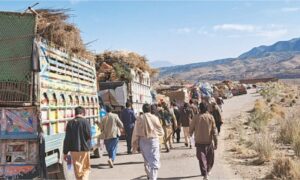
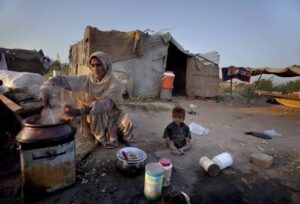
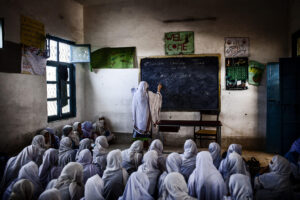
The Human Cost of the Pakistan-Afghanistan Conflict
The Peril of Seasonal Disruption
A critical difference exists between energy and agriculture. Countries often stockpile oil and release reserves to counter crises—as seen when the International Energy Agency released 182 million barrels after Russia invaded Ukraine. However, no one can effectively stockpile fertilizer. The product degrades over time and its utility remains strictly seasonal.
If a farmer misses a planting window because fertilizer arrived late or cost too much, the crop simply does not grow. There is no catching up. If the disruption lasts weeks, farmers must find alternatives at a higher cost. If it lasts months, they plant with less. In every scenario, yields drop and food prices soar. This disrupted supply chain begins with missiles and ends with a bag of rice that a family can no longer afford.