
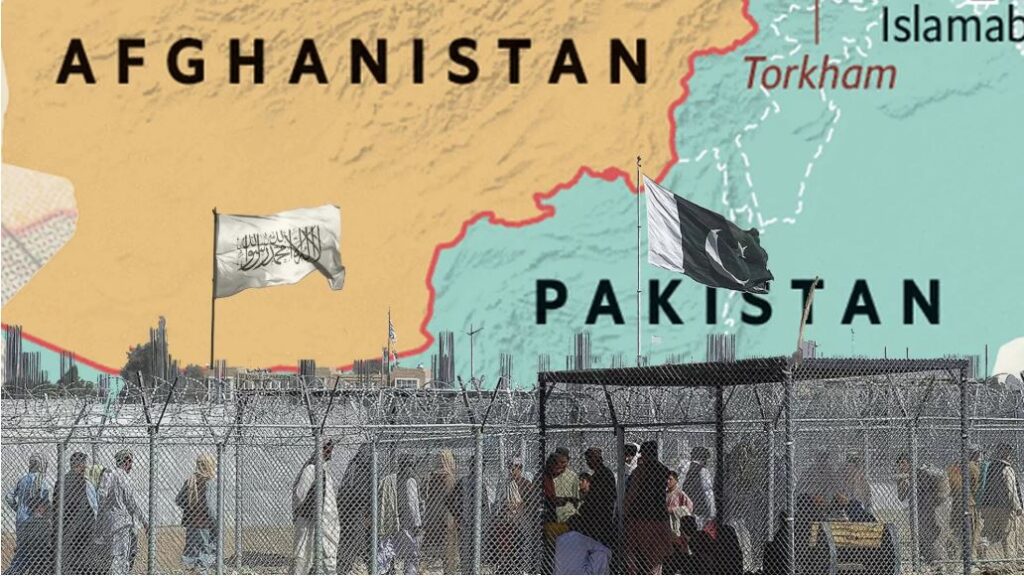
The Foreign Office has confirmed that security operations against terrorist hideouts in Afghanistan have resumed following the conclusion of the Eid-ul-Fitr ceasefire. During a recent media briefing, the spokesperson stated that these operations will continue until the state achieves its strategic objectives.
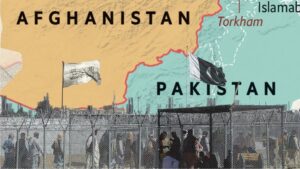
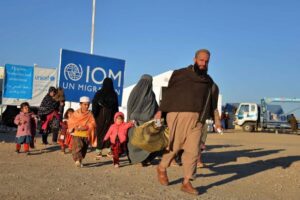
However, the security situation deteriorated quickly after the Torkham border reopened. Consequently, the crossing closed again within hours due to provocations from the Afghan Taliban, which effectively halted the repatriation of Afghan migrants.
Border Instability and Diplomatic Deadlock
Initially, observers expected the Eid hiatus to serve as a foundation for reconciliation and the normalization of border affairs. Nevertheless, the Afghan Taliban’s decision to engage in unprovoked firing has undermined this opportunity. Furthermore, the interim Afghan government has failed to take credible action against the hardline militant group Tehrik-i-Taliban-Pakistan (TTP) elements operating from its soil. Because of this inaction, Pakistan maintains that it has no choice but to continue targeting terrorist centers across the border.
Unconfirmed reports indicate that Pakistani forces targeted several militant hideouts last night. Meanwhile, limited incidents of terrorism occurred within Pakistan. Interestingly, militant groups have circulated videos on social media claiming to conduct patrols and establish checkpoints in various areas. To allay public fear and uncertainty, the government must take a firm stand, though, as security agencies have not confirmed these assertions.
The Repatriation Crisis and Economic Impact
The recent skirmishes at the Torkham border suggest that the Afghan Taliban may be intentionally obstructing the return of their citizens. Currently, the provincial government is moving forward with plans to close refugee camps to facilitate the return of undocumented residents. Despite these efforts, the interim Afghan government appears unable or unwilling to manage the influx of its returning population.
This persistent instability has led to severe consequences for both nations:
- Trade Disruptions: Frequent border closures have paralyzed bilateral trade.
- Commodity Shortages: Afghanistan faces a critical shortage of essential medicines and consumer goods.
- Regional Pressure: Growing tensions on the Iranian border further complicate the Afghan interim government’s position.
The Path Toward International Integration
As a result of its current policies, Afghanistan faces increasing global isolation. Therefore, experts suggest that the only viable path forward involves strict adherence to the Doha Agreement and the fulfillment of international obligations. For the sake of regional stability, the Afghan interim government must revise its policies and foster better relations with its neighbors. Ultimately, resolving these security concerns is essential to alleviate the hardships facing the Afghan people and to restore economic ties.