
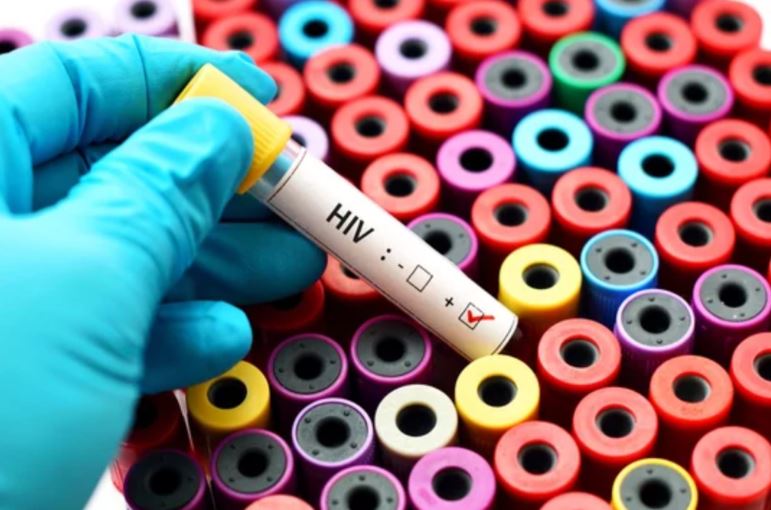
HIV-virus remains one of the most pressing public health challenges in Khyber Pakhtunkhwa. Beyond the medical risks, stigma drives social exclusion, denial, and dangerous behaviors among people affected by the virus.
In Swat, a 29-year-old transgender person living with HIV-virus, who requested anonymity, said: “I will not seek treatment because I want to spread the disease to take revenge on society.” This statement shows how stigma and neglect can turn frustration into harmful actions.
Transgender individuals face a double burden: discrimination for their gender identity and for carrying the HIV-virus. Many experience family rejection from an early age, miss out on formal education, and cannot access mainstream employment. Some turn to high-risk livelihoods, such as sex work, which increases their exposure to HIV-virus. Fear of violence, police harassment, or denial of healthcare keeps many from seeking treatment.
Also Read: Transgender community in KP faces rising violence, HIV stigma
Challenges in Healthcare Access
Healthcare facilities in KP still lack sensitivity training for staff dealing with transgender patients. Reports of mistreatment, misgendering, or denial of care force many away from public health centers, increasing risks for themselves and their communities.
Recent surveys estimate 30,000 potential HIV-virus cases in the province, but only 9,000 patients are officially registered and receiving treatment. Urban centers report the highest numbers: Hayatabad Medical Complex in Peshawar treats 2,723 patients, Lady Reading Hospital 2,082, and Khalifa Gul Nawaz Hospital in Bannu 1,097. Smaller districts also report cases, from 45 in Parachinar to 678 in DHQ Kohat.
District-wise, Peshawar leads with 1,724 cases, followed by Bannu (939), Swat (437), and Mardan (427). Among merged districts, North Waziristan has 354 cases, Khyber 286, and Kurram 224. People often hide their HIV-virus diagnosis out of fear of social rejection, which increases transmission.
Also Read: New Taxes in Khyber Pakhtunkhwa Raise Cost of Healthcare
Impact on Marginalized Communities
For marginalized groups, especially transgenders, stigma drives social exclusion, limited economic opportunities, and high-risk behaviors. Isolation causes depression, anxiety, and hopelessness, reducing the likelihood of seeking treatment. Lack of legal protection and inclusive healthcare further increases vulnerability.
Experts emphasize that controlling the HIV-virus requires more than medical interventions. Public health campaigns must educate communities, treat HIV-virus as a medical condition—not a moral failure—and make healthcare accessible for all, including transgender individuals. Voluntary testing and early treatment prevent hidden cases and reduce transmission.
HIV-virus continues to spread in KP because silence and stigma block treatment. Society must replace rejection with empathy. Patients must see treatment as life-saving care, not punishment. Awareness, acceptance, and inclusive healthcare remain essential to break the cycle of fear and revenge.