

Pakistan’s youth face a growing danger as the tobacco industry shifts its focus from conventional cigarettes and smokeless tobacco like naswar and gutka to new nicotine products, including e-cigarettes and vapes.
These products are often sold with colorful packaging and sweet flavors, marketed as “safer alternatives,” a narrative that appeals to curious and impressionable teenagers.
In cities like Islamabad, Lahore, and Peshawar, small kiosks and shops sell disposable vapes in fruit, candy, and mint flavors. These products are inexpensive enough to fit into a teenager’s pocket money. Weak enforcement of age restrictions makes access easy, while parents and school authorities in semi-urban areas remain largely unaware of the risks.
“The industry is creating a false sense of safety by marketing e-cigarettes as less harmful,” said Qamar Naseem, a civil society activist working on tobacco control in Khyber Pakhtunkhwa. “Nicotine is addictive and harmful, especially for young brains. These tactics trap youth into lifelong addiction.”
Flavored vapes and e-cigarettes are designed to appear “modern” and “cool,” targeting social insecurities and curiosity. The sweet flavors mask the harshness of nicotine, making the products seem harmless while creating patterns of dependence. Once addicted, youth are more likely to move on to other tobacco products, ensuring long-term customers for the industry.
Evidence from Pakistan is alarming. The 2019 Global Youth Tobacco Survey (GYTS) reported that over 10 percent of schoolchildren aged 13–15 used tobacco. Civil society groups warn that this number has likely risen with the growing popularity of e-cigarettes and vapes. Lack of strict regulations allows companies to market these products freely, often exploiting social media platforms popular with teenagers.
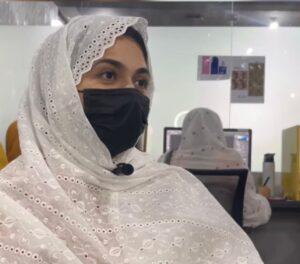
“Every week, I see teenagers as young as 14 buying flavored vapes from shops near schools,” said Alvina Javed, a youth rights activist in Peshawar. “The easy access and appealing flavors make it almost impossible for them to resist. Without government intervention, a new epidemic of nicotine addiction is inevitable.”
The consequences are serious.
Nicotine exposure during adolescence can lead to long-term cognitive and behavioral problems, affecting attention, impulse control, and learning. E-cigarettes also carry harmful chemicals that can cause lung injury and other health risks.
Pakistan has made progress with frameworks like the National Tobacco Control Strategy and provincial action plans. However, these measures focus primarily on traditional tobacco products. Without urgent policy reforms targeting new nicotine products, the country risks undoing years of progress in tobacco control.
Policymakers must act now to regulate and restrict e-cigarettes, vapes, and other nicotine products. Protecting Pakistan’s youth from lifelong addiction and health consequences should be a top priority. Tobacco control policies must evolve to tackle these new challenges, or the country could face a fresh public health crisis.