
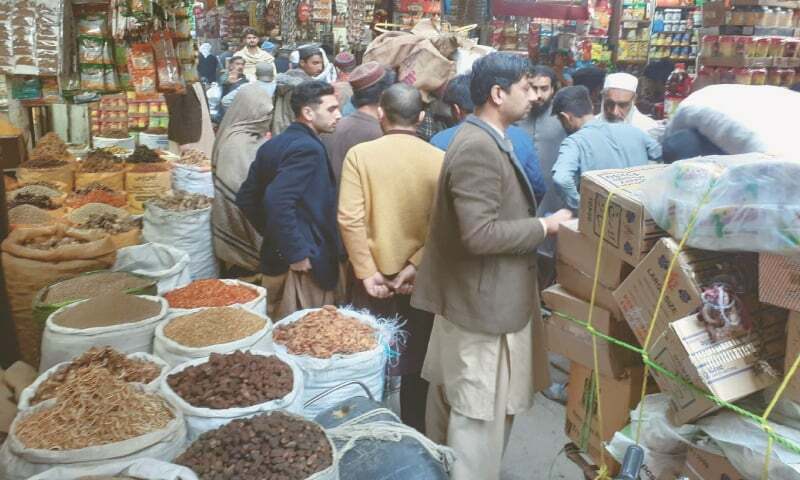
As the moon signals the start of the holy month, a familiar yet painful shadow falls over the markets across Pakistan. For the citizens of Peshawar and beyond, the arrival of Ramazan 2026 brings not just spiritual reflection, but a staggering price hike in Ramazan that is stretching household budgets to their breaking point.
Skyrocketing Costs: A 100% Increase in One Day
Local markets in Peshawar report a chaotic start to the month, with the prices of essential commodities like fruits, vegetables, and meat jumping by up to 100% in a single day.
- Flour Crisis: A 20kg bag of flour has already reached Rs. 3,300, with dealers warning of a further surge to Rs. 4,000 if supply chains remain constricted.
- Essential Staples: Onions, tomatoes, and ginger have seen double-digit percentage hikes, while Iranian dates are retailing for as much as Rs. 1,600 per kg.
- White-Collar Strain: The “white-collar” class—those with fixed middle incomes—finds itself particularly squeezed between rising utility bills and the inflated cost of a basic Iftar.
Government Response: The Rs. 38 Billion Relief Package
To combat the growing distress, Prime Minister Shehbaz Sharif recently unveiled a Rs. 38 billion Ramadan Relief Package. Unlike previous years, which relied on the now-defunct Utility Stores, this year’s strategy focuses on direct financial support.
Key Features of the 2026 Relief Plan:
| Feature | Details |
| Total Allocation | Rs. 38 Billion |
| Beneficiaries | 12.1 Million Families nationwide |
| Cash Transfer | Rs. 13,000 per family via digital wallets/bank transfers |
| KP Specifics | 1 million families in Khyber Pakhtunkhwa to receive Rs. 12,500 |
The Prime Minister emphasized that moving to digital payments addresses previous complaints regarding long queues and substandard goods at government outlets. However, critics argue that while cash helps, it cannot fully offset the unchecked market manipulation by profiteers.
Administrative Crackdown and Public Outcry
In Peshawar, the district administration has deployed 161 price control magistrates to monitor 146 desks across the city. Authorities have warned of heavy fines and jail time for “sharpening the knives” of profiteering.
Despite these measures, many consumers recall the effectiveness of past fruit boycotts and are once again calling for collective action against traders who exploit religious sentiment for financial gain. The consensus among citizens is clear: while the government’s cash injection provides a temporary cushion, only strict, daily enforcement of official rates can truly tame the price hike in Ramazan.
“If the state cannot provide subsidies, it must at least hold the hoarders accountable. Ramazan should be a month of mercy, not a season of exploitation,” says a local shopper in Peshawar’s Qissa Khwani Bazaar.