
Minister of Defense, Khawaja Muhammad Asif, has confirmed that negotiations with Afghanistan have ended, leaving little hope for a future round. He criticized the Afghan delegation for expecting Pakistan to rely on verbal assurances, emphasizing that international agreements are always written.
In a separate interview, Asif stated that the Afghan government knows attacks in Pakistan originate from Afghan territory but cannot control them. “If they cannot manage it, then let us handle it, and we will,” he said, underlining Pakistan’s frustration over persistent cross-border terrorism.
Despite these warnings, the Foreign Office spokesperson remains cautiously optimistic about the Istanbul talks. Pakistan has called for evidence-based demands to be formally addressed, signaling the need for written commitments from the Afghan authorities to prevent militants from using Afghan soil for attacks.
Federal Information Minister, Atta Tarar, highlighted the failure of the current negotiation round. He stated that the Afghan Taliban have not fulfilled their international, regional, and bilateral commitments under the Doha peace agreement. Pakistan continues to express goodwill toward the Afghan people but will not support Taliban actions that harm either the Afghan population or neighboring countries.
Pakistan insists on written assurances
The core issue remains Afghanistan’s reluctance to provide written guarantees to control militants. Third-party observers have deemed Pakistan’s stance principled and justified. Although the Taliban have verbally acknowledged Pakistan’s concerns, they have avoided formal written commitments, leaving Pakistan with limited options to secure its border and protect citizens from cross-border terrorism.
Operational limitations and the presence of strong militant groups within Afghanistan may impede the interim Taliban government’s ability to act. Pakistan has stressed that the Taliban must prevent their territory from being used for attacks and uphold the Doha Agreement’s provisions to curb militancy.
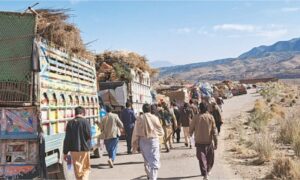
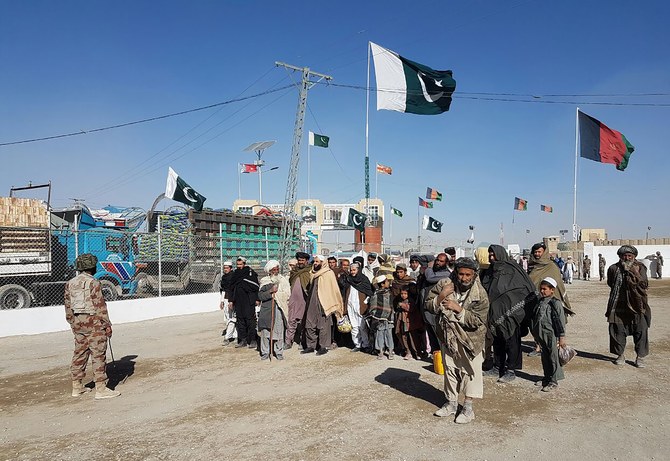
Pakistan’s options include decisive measures, as the border closure nears completion. Trade along the Pakistan-Afghanistan border has been affected, impacting local populations on both sides. If diplomacy fails and conflict becomes inevitable, Afghanistan is likely to bear the consequences of continued cross-border attacks.
Diplomacy or confrontation
The deadlock in Pakistan-Afghanistan negotiations highlights the urgent need for written assurances from the Taliban to prevent cross-border terrorism. While diplomacy remains a possibility, Pakistan is prepared to act to protect its sovereignty and citizens, leaving the region at a critical juncture between negotiation and confrontation.