
A weak economy remains Pakistan’s most pressing challenge. This fragility means the country cannot survive sudden financial shocks. Only a strong economic foundation can support bold national decisions.
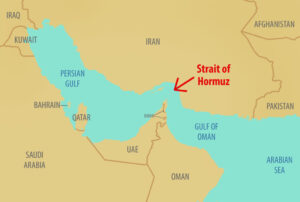
Currently, the US and Israel’s war on Iran has significantly increased local fuel prices. While the government recently raised prices, the threat of more increases hangs over the public.
Pakistan Braces for Energy Shortage as Middle East Conflict Disrupts LNG Supply
In a notable shift, the government made a strategic choice. They significantly increased fuel costs for luxury vehicles. For the first time, this move targets the wealthy elite instead of the common man. This step deserves praise as a fair way to share the economic burden. Someone must take this correct step now. There is no reason why this work cannot begin during the current era.
The Crisis of Policy Sustainability and Political Will
A lack of policy sustainability is a core reason for Pakistan’s struggle. Every new government tries to change everything to suit its own whims. Frequent power shifts hurt long-term economic planning. Ideally, the state should build economic policies through parliamentary consensus. If all parties agree on a roadmap, growth can continue without interruption. History proves that “cosmetic” fixes only provide a temporary shine.
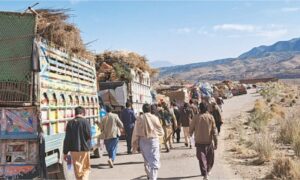
Torkham Border Closure Disrupts Trade, regional stability
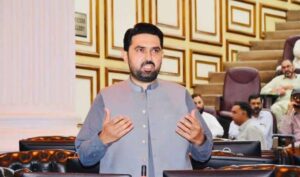
The current political landscape offers a unique chance for reform. The government is a multi-party alliance, while the opposition is a single block. However, the gap between the two sides continues to grow. This division hurts national politics. Differences are turning into personal grudges.
Pakistan has many tall leaders, yet none seem willing to play a stabilizing role. To call this “adding fuel to the fire” is no exaggeration. We must not ignore the dangerous results of this instability.