
The impacts of United States and Israel war on Iran continues to expand across the region, creating Global food security crisis. Consequently, the United Nations World Food Programme issued a stark warning regarding the future of international stability.
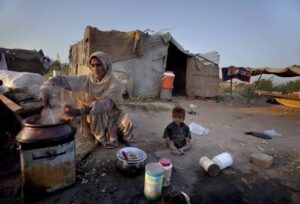
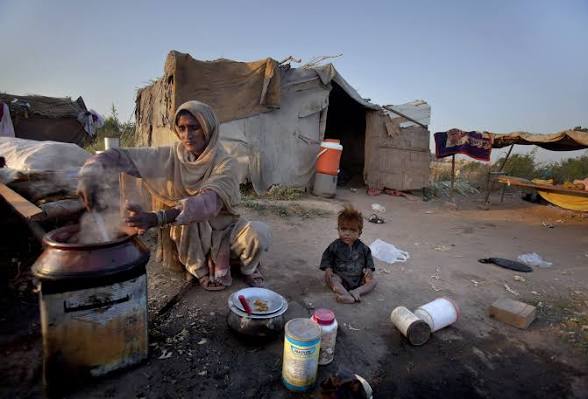
If this warfare persists, an additional 45 million people could fall into the grip of severe hunger.This surge would push the total number of individuals facing global food security risks to unprecedented levels. Currently, 319 million people already endure acute food insecurity, making the prospect of further increases deeply alarming.
Also Read: UN food agency warns hunger crisis in Afghanistan worsening
Historical evidence proves that wars consistently disrupt food systems over long periods. While the interconnected nature of the modern global economy typically fosters growth, it also serves as a harbinger of worldwide disaster during times of crisis. Therefore, the tremors of conflict in one specific region now travel thousands of miles beyond the front lines.
Since late February, attacks on Iran have disrupted vital shipping routes. These incidents have created bottlenecks in humanitarian aid corridors. As a result, these conditions place global food security at a dangerous crossroads.
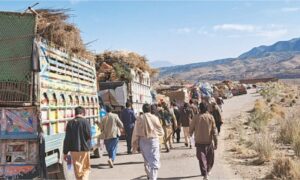
Many regions already teeter on the edge of collapse, particularly in Gaza. In this area, border closures and restricted aid exacerbate the shortage of essential goods. Currently, only about 200 relief trucks enter the area daily, despite a verified requirement for 600.
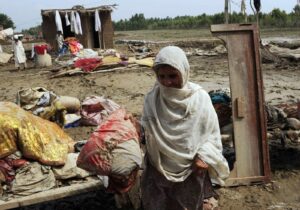
Meanwhile, a brutal civil war in Sudan subjects nearly half the population—over 21 million people—to extreme hunger. This internal strife has displaced millions of individuals. Furthermore, the conflict has rendered vast territories completely inaccessible to relief workers.
The US and Israel attacks on Iran does more than threaten aid routes; it generates massive economic ripples. For instance, rising shipping costs directly inflate food prices. This creates an unbearable situation for import-dependent nations in Africa and Asia.
Also Read: PM Shehbaz to Announce National Austerity Plan Amid Global Economic Pressures
Many of these economies already buckle under the weight of heavy debt and weakening currencies. Additionally, climate-related crop failures further strain their resources. A spike in international food prices threatens to push millions of additional households into a state of permanent crisis.
Equally concerning is the visible shift in global priorities as conflicts show no signs of an immediate end. The world is not merely witnessing a regional war. Instead, it is observing the largest spike in hunger in modern history.
Ultimately, preventing these catastrophic outcomes requires more than just reactive measures. It demands active diplomacy to halt the fighting immediately. Global leaders must ensure that geopolitical rivalries do not leave the most vulnerable populations to starve in the crossfire.