
Local government in Pakistan is not a new idea. Its foundation was laid in the colonial era, when the British introduced a system to address local problems through limited devolved powers. Since independence, these institutions have taken different forms under democratic and authoritarian regimes, sometimes functioning, often faltering.
A decisive turn came during General Zia-ul-Haq’s rule. His policy of non-party elections and the distribution of development funds to provincial and national legislators turned local governance into political patronage. What could have been a platform for grassroots democracy was reduced to a bargaining tool. From that point on, the path for local governments in Pakistan narrowed and weakened.
Also Read: Local Government in KP: Can It Be Active and Effective?
Despite repeated Supreme Court rulings, provincial governments remain unwilling to empower these institutions. For them, local governments are seen as rivals to their authority. Provincial assemblies, too, support this reluctance, ensuring that unconstitutional development funds for lawmakers continue without interruption.
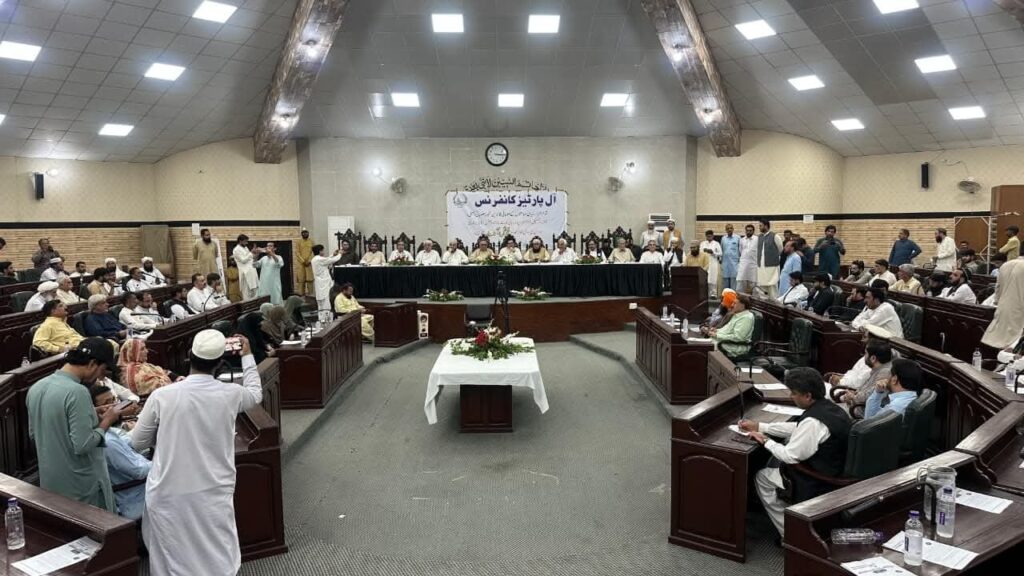
This week in Peshawar, an all-parties conference raised significant demands. It called for guaranteed funds for local governments, real devolution of power, and new legislation to safeguard the system. These demands are neither radical nor novel—they are constitutional obligations that remain unfulfilled.
Also Read: Opposition walks out as KP assembly debates local govt, tourism police bills
The reality, however, exposes the political manipulation of local bodies. Where chairmen, mayors, and members belong to the ruling party, funds are released generously. Where opposition parties hold power, funds are withheld or delayed. This selective distribution not only undermines justice but also violates the democratic values the state claims to uphold.
For Pakistan’s local governments to survive, the courts must go beyond issuing judgments. They must ensure their enforcement and hold provincial governments accountable. Without decisive action, local democracy will remain hostage to political expediency.
The future of governance in Pakistan depends on whether these institutions are allowed to function as they were intended: addressing local problems at the local level. Until then, the promise of empowered local governments will exist in law but remain absent in practice.