

PESHAWAR-Khyber Pakhtunkhwa (KP) currently faces a severe oil and gas crisis, forcing the provincial government to implement emergency measures to reduce expenditures. These actions include a 50% reduction in official fuel consumption and a mandatory “Work From Home” (WFH) policy for half of the government workforce.
While these steps aim to save billions of rupees, concerns regarding the potential decline in governance and administrative efficiency are rising.
Khyber Pakhtunkhwa’s Power & Energy Projects Stagnate Due to Funding Shortages
Financial Impact and Potential Savings
The provincial government allocates a significant portion of its annual budget to non-development expenditures, totaling approximately 900 billion rupees. Data indicates that nearly 8% to 10% of this amount—roughly 70 to 90 billion rupees—is spent indirectly on fuel, transport, and energy.
By enforcing these new restrictions, the government expects the following results:
- Immediate Savings: Estimates suggest a saving of 12 to 18 billion rupees within the first two months.
- Annual Outlook: Total savings could reach up to 60 billion rupees on an annual basis.
- Fuel Conservation: In Peshawar alone, reducing the commute for half of the workforce could save 2 to 3 million liters of fuel daily. Monthly, this translates to a reduction of 6 to 9 million liters.
Why a Four-Day Schooling Week is Best Path Forward
Infrastructure and Connectivity Challenges
Despite the financial benefits, the transition to a digital workspace faces significant structural hurdles. Specifically, the average internet speed in most districts remains below 10 Mbps. Furthermore, rural areas experience daily power outages lasting 6 to 10 hours. Consequently, these technical limitations hinder the effectiveness of the remote work model for many employees.
Governance and Service Delivery Risks
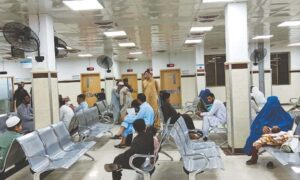
The shift to online operations also poses a threat to essential public services. For instance, field-dependent departments such as police, health, and revenue cannot fully transition to a digital format. As a result, the risk of a governance vacuum in these sectors remains high.
Afghan Refugees in Pakistan: Property, Power, and the Politics of Return
Similarly, the education sector reports a 30% to 40% decline in student attendance during online sessions. Experts argue that the current digital infrastructure in the province cannot yet support a fully integrated online system. Therefore, while the WFH policy offers a temporary financial reprieve, it introduces administrative challenges that may impact long-term institutional performance.