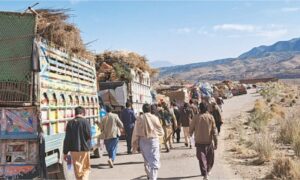


The Khyber Pakhtunkhwa government has begun a phased closure of Khyber Pakhtunkhwa (KP) Afghan refugee camps amid a sharp influx of displaced Afghans arriving from Punjab, Sindh, Balochistan, and Azad Kashmir, creating unprecedented pressure on provincial resources and security apparatus.
Officials confirmed that out of the 42 KP Afghan refugee camps operating across the province, 10 have already been vacated in the first phase. However, the sudden arrival of thousands of Afghan families from other regions has offset efforts to reduce the refugee population, turning Peshawar and its surrounding districts into makeshift shelters.
According to provincial authorities, both registered and unregistered refugees are now living in significant numbers across Khyber Pakhtunkhwa, with many considering the province a safer refuge after intensified operations in other parts of Pakistan. The movement has triggered concerns over security management, housing capacity, and local administration’s ability to handle the growing humanitarian burden.
Sources within the administration said that several Afghan families fleeing law enforcement crackdowns elsewhere have found temporary refuge in Peshawar, viewing it as a comparatively stable zone. This unplanned migration has further complicated the province’s already fragile socio-economic balance.
Officials revealed that the federal government is now drafting a comprehensive policy to regulate the repatriation of unregistered Afghans and ensure that the dismantling of KP Afghan refugee camps proceeds in a transparent and orderly manner. The policy aims to coordinate federal and provincial efforts while addressing both security concerns and human rights obligations.
As KP grapples with the twin challenges of enforcing national policy and maintaining stability, the fate of thousands of Afghan families remains uncertain — caught between the closing gates of camps and the growing hostility of an overstretched system.