
Khyber Pakhtunkhwa faces a troubling reality. The return of militancy and the rapid deterioration of law and order have plunged the province into uncertainty. Recent suicide attacks at the Frontier Constabulary (FC) headquarters in Peshawar and Cadet College Wana reinforce this perception.
These incidents are not isolated. They signal deeper vulnerabilities affecting both security structures and public trust. Residents feel past traumas resurfacing, reviving fears they had struggled to leave behind.
Security agencies are under increasing pressure. Police, Frontier Corps, and other enforcement bodies face well-organized militant networks. These groups use modern weaponry, fortified hideouts, and border terrains to their advantage.
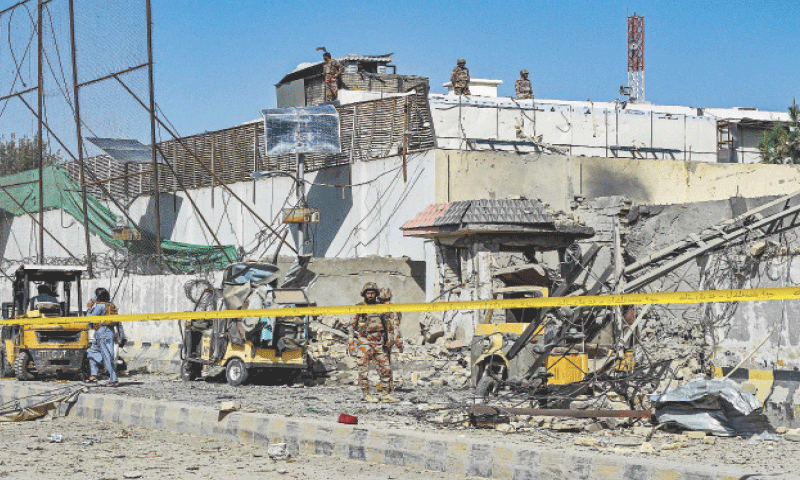
Police contend with resource shortages, targeted attacks, and the burden of continuous operations. Their sacrifices are notable, yet the scale of threat demands a strategy beyond operations.
The provincial government also struggles under intense pressure. Political instability, financial constraints, and administrative weaknesses reduce the effectiveness of its actions. A clear, unified policy aligned with federal strategy remains absent. Governance often reacts after crises rather than preventing them.
People need guidance, confidence, and unity. Yet the political environment is fragmented and unstable. At the federal level, responsibilities related to counterterrorism, border oversight, and diplomacy with Afghanistan are not fully executed. Political divisions and economic challenges hinder a comprehensive approach.
The National Action Plan remains important but unevenly implemented. Key areas like ideological countermeasures, community engagement, and rehabilitation programs remain weak. Khyber Pakhtunkhwa requires a long-term, comprehensive strategy. It must combine economic reform, institutional strengthening, and regional coordination.
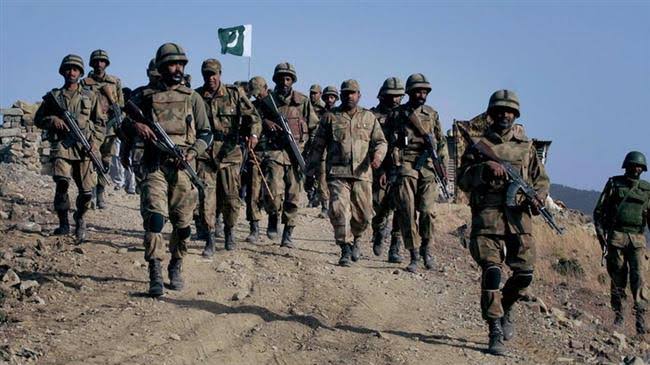
Social, economic, and psychological consequences
These attacks weaken the province’s social and economic structures. Investors retreat, tourism stalls, markets face disruption, and development projects slow. Unemployment rises. Young people either emigrate or fall prey to extremist propaganda. Public morale suffers continuously.
Checkposts, armed patrols, and security posts are necessary but also remind citizens that normal life remains unstable. Over time, these conditions foster a militant atmosphere, limit democratic and social processes, and strain civic life.
Mental health is particularly affected. Fear, uncertainty, bombings, funerals, displacement, and ongoing stress exhaust communities. Repeated attacks reopen old wounds. Anxiety and depression increase. Children grow up in fear. Adults endure constant psychological pressure. Families suffer emotional fatigue.
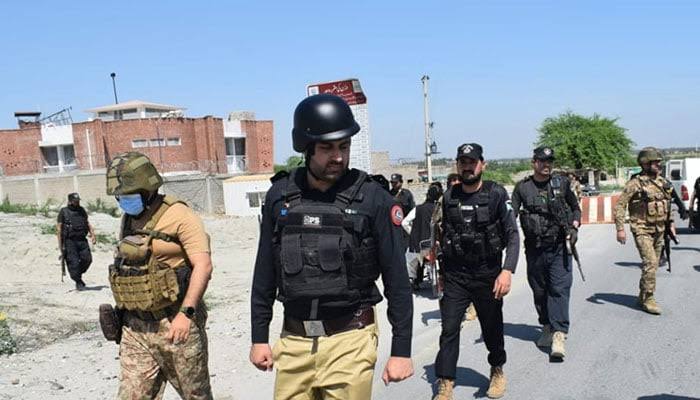
Without timely intervention, these effects will extend to future generations. Solutions cannot rely solely on statements, condemnations, or temporary measures. Khyber Pakhtunkhwa needs structured, coordinated, and long-term planning.
Better security management, economic measures, mental health support, effective governance, and community participation are essential. Federal and provincial governments must set aside differences. They must strengthen institutions and implement peace jirga recommendations fully. These steps are vital to prevent gaps that fuel extremism.
Khyber Pakhtunkhwa stands at a decisive crossroads. The province’s trajectory depends on current decisions. It can move toward lasting stability or descend into recurring insecurity. Citizens have always demonstrated resilience, but their endurance has limits. The state must now transform hope into tangible peace. Without it, no progress can be achieved..