
Across the globe, a riverbank is a sanctuary—a curated space where the rhythmic flow of water meets human leisure. From the bustling quays of the Seine to the serene banks of the Rhine, governments transform their waterways into social hubs that breathe life into cities.
In the rugged, sun-drenched landscapes of Khyber Pakhtunkhwa, a similar dream was once nurtured. Sites like Sardaryab near Peshawar, the historic junctions of Attock, and the riverside retreats of Nowshera were designed to be the lungs of the province, where families sought refuge from the weekday grind under the shade of modest huts and local hospitality.
But today, that dream is being paved over with concrete and greed. What was meant to be a “blessing” of tourism has mutated into a “curse” of unregulated expansion. Encroachments on riverbanks in Khyber Pakhtunkhwa are no longer just an eyesore; they are a ticking ecological time bomb.
The Ghost of Swat: A Warning Ignored
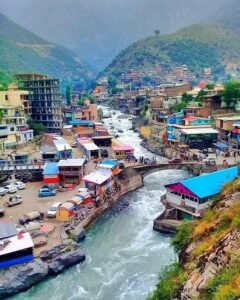
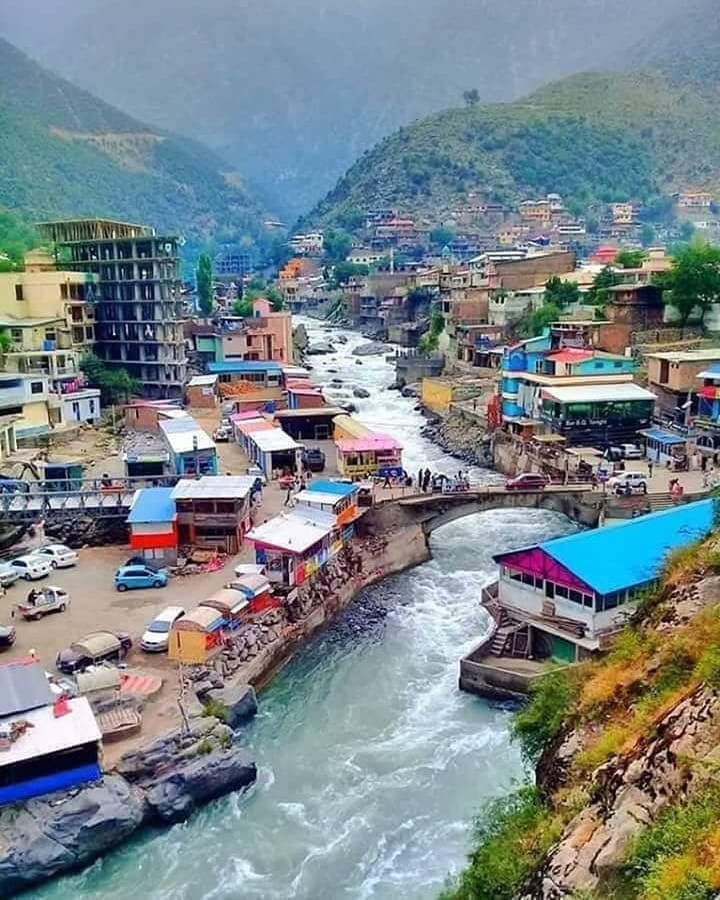
To understand the stakes, one only needs to look back at the harrowing footage from recent months in Swat, Kalam, Madain, and Bahrain. When the cloudbursts hit and the rivers reclaimed their natural paths, they didn’t find empty floodplains. Instead, they met multi-story hotels and commercial plazas built literally on the water’s edge.
The images of these concrete giants crumbling into the dark torrents like wet cardboard remain etched in the national memory. Every child in Pakistan knows the cost of that tragedy. Yet, as the waters receded, the appetite for risk remained. The “Encroachment Mafia” continues to build where nature forbids, betting human lives against the next monsoon.
251 Points of Peril
Recent reports paint a chilling picture. Authorities have identified 251 specific locations where illegal structures have throttled the natural flow of rivers. These aren’t just small stalls; these are permanent fixtures that turn any emergency into a catastrophe.
- The Tourism Paradox: In the pursuit of making these spots “attractive” and “modern,” local administrations have often looked the other way as temporary huts turned into permanent concrete foundations.
- The Mafia Grip: From the northern reaches of Shangla to the southern plains of Dera Ismail Khan, the encroachment is systematic. It exploits the lack of a unified provincial river-zoning law.
The Path Forward: Policy or Perish?
There is a flicker of hope on the horizon. The provincial government is currently reviewing a comprehensive proposal to launch a massive anti-encroachment drive stretching from Peshawar to Swat and beyond. This initiative seeks to establish a mandatory “safety distance” between the river’s edge and any new construction.
“A river has a long memory. You can build a wall against it today, but it will come to collect its debt tomorrow. We must choose between the short-term profit of a river-view room and the long-term safety of our citizens.”
A Call for Sanity
To prevent another humanitarian disaster, the strategy must be twofold:
- Strict Buffer Zones: A legally mandated “No-Construction Zone” must be enforced, calculated based on 50-year flood levels.
- Administrative Accountability: Local governments must be held liable for any new structures that appear on their watch.
- Sustainable Tourism: Shifting from heavy concrete infrastructure to eco-friendly, movable wooden structures that respect the river’s ebb and flow.
The rivers of Khyber Pakhtunkhwa are the lifeblood of its landscape. If we continue to choke them with encroachments, we are not building a future for tourism; we are merely constructing the stage for the next disaster.