
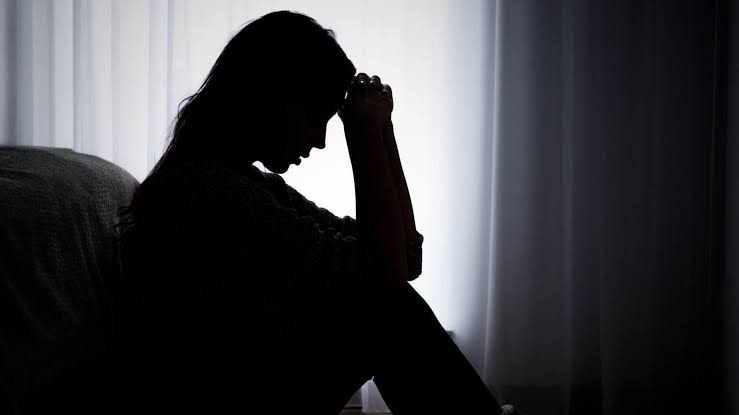
The relentless cycle of violence across Khyber Pakhtunkhwa (KP) shatters the peace of countless households. Mothers and sisters of the fallen carry a psychological burden that transcends physical destruction. These women navigate a landscape of perpetual fear. Consequently, their lives remain derailed by a grief that offers no respite.
The loss of a child or a sibling leaves an permanent void. While neighbors offer sympathy, it rarely fills the emotional gap left by those snatched away. Families remain trapped in the agonizing memory of sudden tragedy. Furthermore, this atmosphere of insecurity forces many to live in a state of constant, imbalanced anxiety.
Healing the Psychological Wounds of Women and Children in KP
Government authorities previously recognized this acute need for mental health intervention after major humanitarian crises. The Khyber Pakhtunkhwa Health Department collaborated with various non-governmental organizations to provide specialized psychological services. Experts at centers like the Peshawar Institute of Cardiology (PIC) focused on extracting deep-seated terror from the minds of surviving victims.
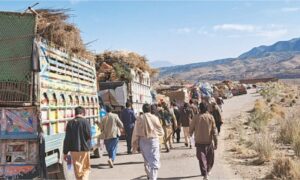
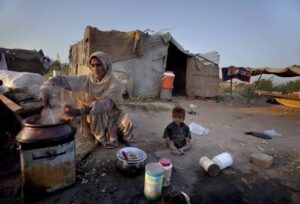
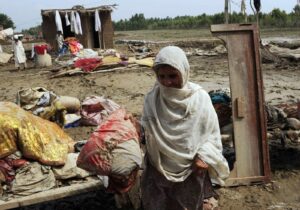
Similar efforts occurred during the devastating floods in the province. Mobile health units delivered counseling alongside essential medicine to address the specific psychological distress of displaced women. These initiatives demonstrate that structured support can effectively mitigate the immediate effects of a disaster.
Women Face Severe Hardships During Khyber Pakhtunkhwa Floods
However, the region requires a more permanent solution to this ongoing erosion of mental well-being. Prominent psychiatrist Dr. Iftikhar Hussain identifies two decades of bombings as a primary driver of societal intolerance. This trauma extends beyond the immediate victims. It affects the collective consciousness of the general public.
Dr. Iftikhar Hussain advocates for a robust, state-level infrastructure to manage this situation. He suggests that every hospital must establish a dedicated department for trauma counseling. Such facilities would address the fallout of both man-made and natural disasters. Moreover, these departments would provide a consistent safety net for vulnerable families.
Women’s mental health in Pakistan and Afghanistan: disasters leave invisible scars across borders
The arrival of a victim’s remains at their home serves as a grim, recurring testament to this suffering. When bodies return to their neighborhoods, the limits of human endurance often collapse. The cries of mourning mothers reflect a shared provincial reality. These incidents systematically dismantle the social and emotional fabric of entire families.
Beyond the immediate loss of life, these events leave behind a legacy of instability. Experts urged that the community must adopt an empathetic approach toward those suffering from psychological distress. Listening to the stories of the bereaved remains an essential step in the healing process.
Ultimately, addressing this internal crisis demands a fundamental shift in social responsibility. Without structured governmental intervention and a compassionate social fabric, women and children remain vulnerable. They continue to carry the invisible, enduring wounds of a history defined by hardship.