
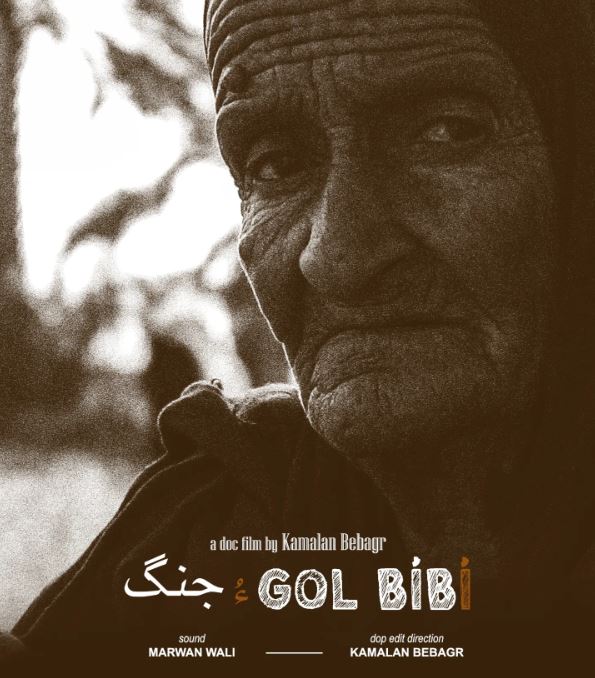
Gol Bibi o Jang (Gol Bibi and War), directed, edited, and filmed by Kamalan Beebagr, powerfully exposes one of the most harrowing and underreported issues in Balochistan today: the silent devastation of an entire generation through drug addiction.
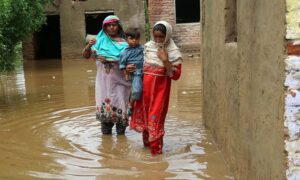
The film follows Gol Bibi, a single mother from Alandoor, Buleda, Kech, whose four sons have all fallen prey to drugs. To support her family, she sells beans or nuts, earning 800 to 900 rupees per day. Of this, 400 rupees go to the shop owner, while her sons spend the rest on drugs. Consequently, her sons remain unemployed and dependent entirely on her. Their addiction causes immense distress in her life.
Also Read: Putin Review – Chilling, AI-Fuelled Portrait of Modern-Day Strongman
Gol Bibi’s story symbolizes the suffering endured by countless mothers across Balochistan. Moreover, her situation is not unique; it reflects the heartbreaking reality of thousands of households in the region. Drugs are sold openly, sometimes even with state patronage, and dens operate in plain sight. Gol Bibi carries the heavy burden of pain, despair, and hopelessness. The documentary exposes this devastating menace, showing how it destroys homes, dismantles families, and jeopardizes the future of Balochistan’s youth.
One of the most significant moments in the documentary shows mothers and sisters in Alandoor, Buleda, leading the first anti-drug rally. Their courage inspires others, as these women step outside traditional roles to confront a crisis tearing apart their community. In addition, this movement motivates the youth, who organize anti-drug campaigns themselves, emphasizing that combating this epidemic requires collective action from all stakeholders.
Also Read: Adolescence: Netflix’s Chilling Crime Drama Unpacks Teenage Violence, Its Consequences
The documentary also highlights the voices of drug-affected individuals who want treatment but cannot afford costly rehabilitation. Therefore, authorities must provide free treatment for all addicts to address this crisis. Meanwhile, continued inaction only fuels the epidemic further.
Kamalan Beebagr’s cinematography and direction remain exceptional. He uses original visuals, natural conversations, and raw, unfiltered emotions, combining simplicity and authenticity with soul-stirring narratives. As a result, viewers connect with the story both cinematically and emotionally.
Gol Bibi o Jang does more than document; it serves as a wake-up call. It urges youth to reconsider the consequences of drug addiction and recognize their responsibilities toward family and society. Ultimately, behind every drug addict, a forlorn mother, a devastated home, and a society quietly collapsing often exist. This documentary is essential for anyone concerned about the future of Balochistan’s younger generation.