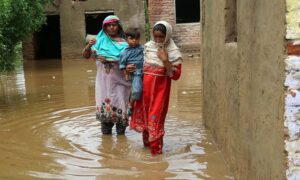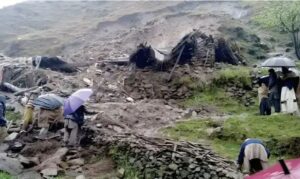

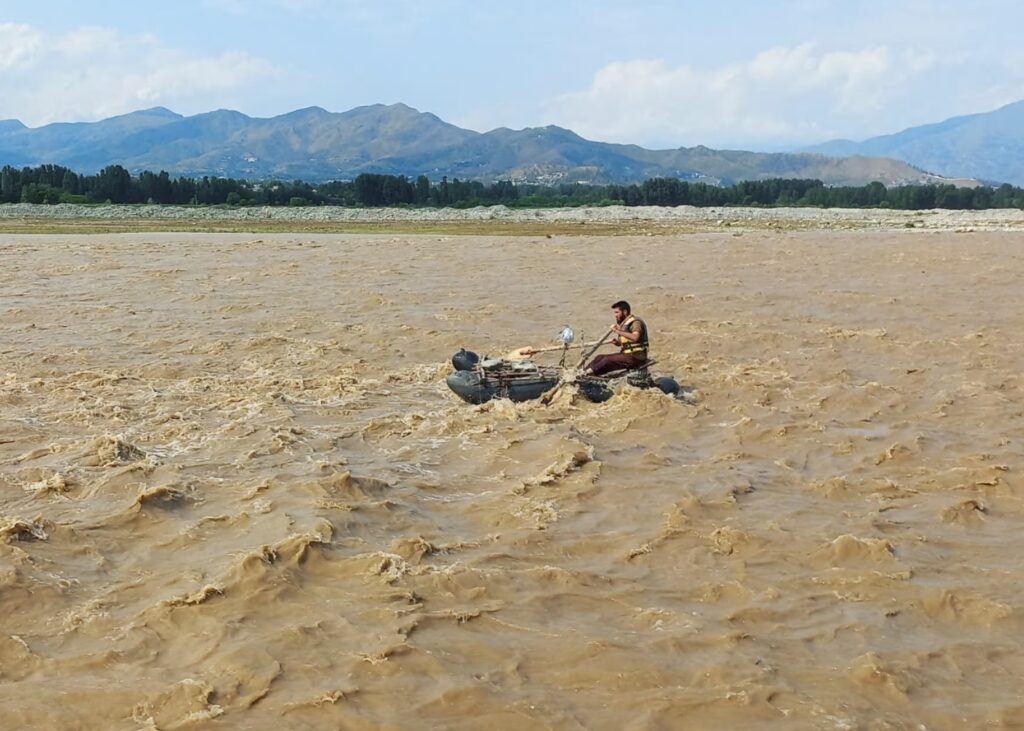
Major steps are being taken fight climate change in Pakistan by launching new projects to protect its people, farms, and coastal towns. Recognizing that changing weather patterns are now a threat to the country’s economy, authorities are moving toward long-term solutions to build a safer and more stable future.
Protecting Our Coastlines
One of the most important parts of this plan focuses on the Sindh coast, an area often ignored despite facing serious risks from rising sea levels and constant flooding. These environmental shifts have forced many people to leave their homes and have made it harder for families to find food and earn a living.
To fix this, the government is using “nature-based” solutions. Instead of just building walls, they are working to restore the natural environment to act as a shield against the sea. These efforts aim to protect over 3.8 million people, ensuring that their livelihoods and the local wildlife are safe from the worsening effects of climate change in Pakistan.
Smart Farming for a Better Future
In Punjab, the focus is on changing how we grow food to deal with unpredictable weather. Across 30 districts, farmers are being introduced to “climate-smart” machinery and new ways of farming that help the soil stay healthy.
A major goal is to stop the burning of crop leftovers, which causes heavy smog and harms the air we breathe. The project also sets up special training centers for thousands of women, giving them the tools and skills to lead their communities in the fight against climate change in Pakistan. By empowering women and small farmers, the country is making its food supply much more secure.
The Need for Honest Work
While these projects bring much-needed support, experts warn that the real test will be how the money and resources are managed. In the past, many good ideas in Pakistan failed because of a lack of transparency or poor planning.
To make these new measures work, provincial governments must take full responsibility and ensure every penny is spent honestly. Building a future that can withstand climate change in Pakistan requires not just money, but a strong political will and a clear, clean system of working. If managed well, these projects will serve as a permanent shield for the nation’s economy and its people.