

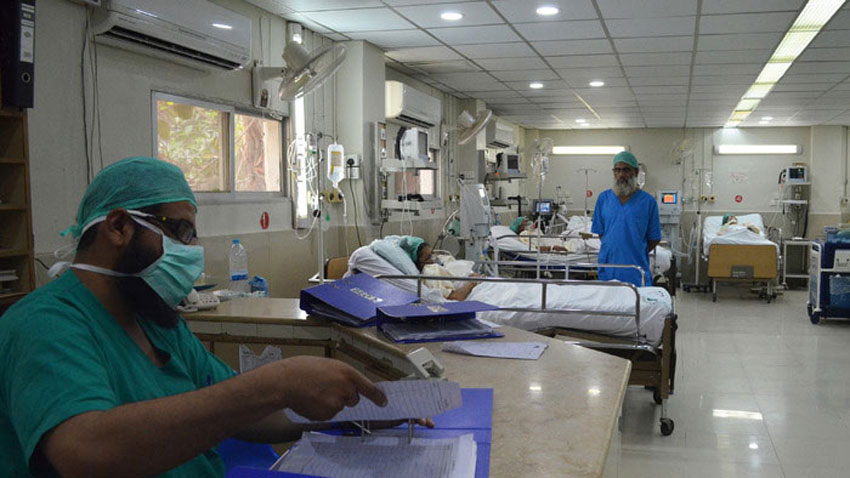
Recent government directives to improve medical facilities show a deep awareness of public needs. However, the ultimate goal remains delivering actual results to the people. While high-level meetings signal intent, the true success of Khyber Pakhtunkhwa (KP) healthcare reforms depends on whether these orders improve treatment at the grassroots level.
Chief Minister Khyber Pakhtunkhwa, Sohail Afridi, recently led a “District Delivery Conference.” This meeting focused on the Good Governance Roadmap to fix systemic gaps. To address staff shortages, the government approved 700 new vacancies for doctors. Furthermore, authorities are working to make all Basic Health Units (BHUs) fully functional to reduce the burden on city hospitals.
Also Read: KP health department launches eye screening program for school children
In a separate high-level session, the Chief Minister tackled the issue of hospital mismanagement. He issued strict orders to discourage unnecessary patient referrals. To handle emergencies, he requested practical plans to increase bed capacity in MTI hospitals and Intensive Care Units.
The government is also prioritizing child health by allocating a specific budget within the Sehat Card program. Additionally, the Chief Minister ordered IT system upgrades to prevent delays in lab results. He also directed officials to arrange hostels for doctors near their respective hospitals to ensure 24/7 availability.
Also Read: Over 5mn children vaccinated against measles in KP
The Challenge of Public Trust
Healthcare remains a top priority for the provincial government. Initiatives like the Sehat Card represent a massive investment in the public. Yet, despite these KP healthcare reforms, many citizens still complain about poor service quality.
A large number of patients still prefer private clinics over government hospitals. While overcrowding is a real issue, the lack of quality care at public facilities remains a major hurdle. The mismatch between available resources and the volume of patients continues to challenge the system.
Also Read: KP Launches Zhwandun OPD Under Sehat Card Plus Programme
The Need for Accountability
Real change requires more than just administrative shifts. The province needs a transparent system of checks and balances. This system must ensure that the existing workforce and equipment actually benefit the public.
To make KP healthcare reforms truly effective, the government must implement a more practical strategy. Strict monitoring is the only way to ensure that state resources reach the common man.