
Nowshera: A social and environmental activist from Khyber Pakhtunkhwa’s Nowshera district is making a significant impact at the grassroots level by promoting eco-friendly alternatives to plastic while empowering rural women with livelihood skills.
Seema Babar, a resident of Pirpai village, has been leading a campaign for the past six years to reduce plastic pollution by producing and distributing reusable cloth bags. Alongside environmental protection, the initiative focuses on training local women in sewing and handicrafts, enabling them to earn an income from home.
Speaking to the media, Seema Babar said plastic bags pose a serious threat to the environment, polluting farmlands, waterways, and rural areas. “Plastic pollution is no longer limited to cities; it has reached villages, agricultural fields, and canal systems, causing long-term environmental damage,” she said.
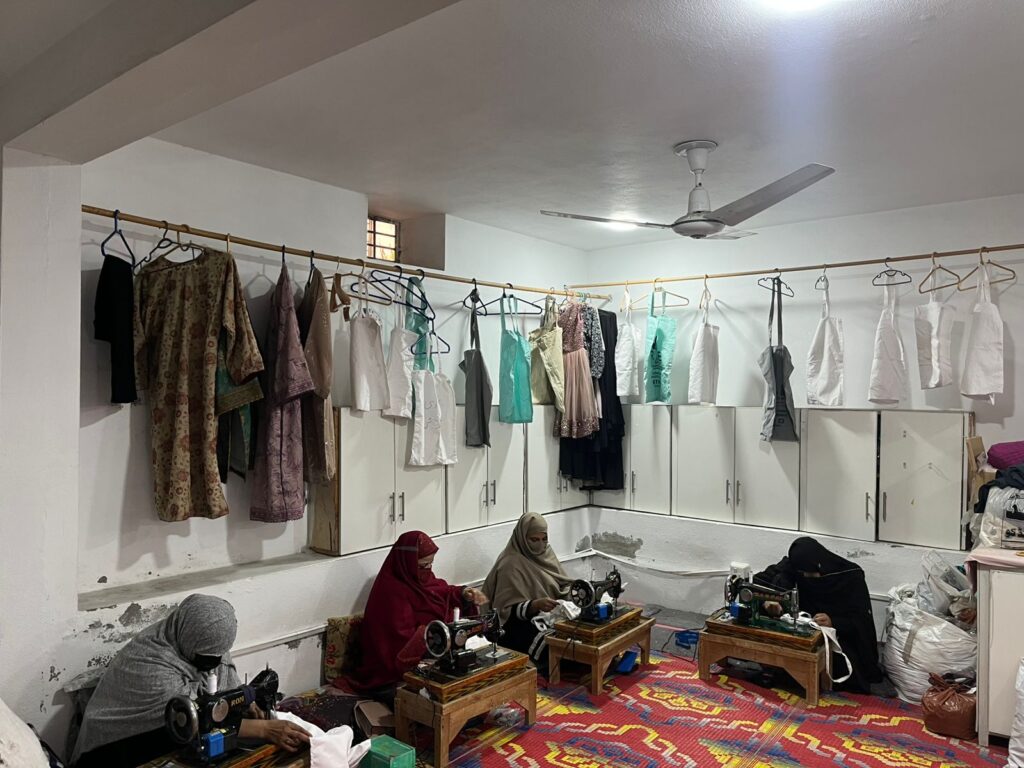
Initially limited to her village, the cloth-bag campaign has expanded to Nowshera city and other parts of the district. At a skill development center run by Seema Babar, women and young girls are trained in sewing, embroidery, and handicrafts. During the training, reusable bags are made from old and discarded fabrics and printed with awareness messages against plastic use.
According to Seema Babar, more than 600 women have so far received training in cloth bag production and garment stitching. Many of them are now earning a sustainable income by offering tailoring services from their homes, helping support their families.
Environmental experts note that reusable cloth bags can significantly reduce plastic waste if used regularly. A United Nations report published in 2020 states that a cloth bag must be reused at least 50 to 150 times to have a lower environmental impact than a single-use plastic bag, while a British study suggests 131 uses are needed to offset its climate footprint.
The Khyber Pakhtunkhwa government banned polythene bags in 2017, and in 2022 the ban was reinforced through amendments to the Environmental Protection Act, imposing a province-wide prohibition on plastic shopping bags. The Khyber Pakhtunkhwa Environmental Protection Agency (EPA) says directives have been issued to all commissioners to ensure strict enforcement of the ban.
According to Water and Sanitation Services Peshawar (WSSP), around 500 tons of solid waste are collected daily in Peshawar, with plastic making up approximately 10 percent of the total. Authorities say scientific waste disposal methods are being used to protect groundwater from contamination.
Seema Babar said her initiative initially received strong support from the district administration and non-governmental organizations, but assistance has declined in recent years. Despite this, she continues to expand her work, particularly in climate-vulnerable areas.
Located near the Kabul River, Pirpai village faces recurring flood risks during the monsoon season. In response, Seema Babar has also launched awareness campaigns on climate change, tree plantation, water conservation, and energy efficiency. She has formed groups of young women to lead plantation drives and community awareness sessions across different areas.
“Our goal is to make environmental protection a shared responsibility,” she said.