
PESHAWAR – The Khyber Pakhtunkhwa (KP) cabinet has approved the E-Transfer Policy 2025 for teachers in the Elementary and Secondary Education Department. Through this policy, the government aims to enforce merit, strengthen transparency and end political interference in postings and transfers.
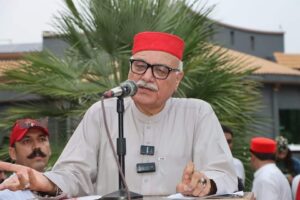
While chairing the 42nd cabinet meeting, Chief Minister Sohail Afridi said the system followed the vision of Pakistan Tehreek-e-Insaf founder Imran Khan. According to him, the policy shifts transfer decisions from discretionary authority to a fully digital, rules-based mechanism.
As a result, teachers will no longer need political backing for postings. Instead, they will be able to focus on classroom performance and academic outcomes.
Meanwhile, the chief minister confirmed that the ban on postings and transfers remains in force across the province. Despite receiving more than 400 recommendations, the government rejected every request.
By doing so, the government reinforced its stance on merit. Furthermore, Afridi warned that departments would face strict action if political influence resurfaced through informal channels.
Also Read: KP health department launches eye screening program for school children
Performance-based digital criteria
Under the new policy, transfers rely on objective and measurable indicators. These include the length of service at a current school, the student-teacher ratio and annual academic results.
Additionally, the system processes these indicators automatically. Therefore, human discretion remains limited, and manipulation becomes difficult.
From now on, all transfers will take place through the digital platform. Manual intervention will only occur under clearly defined rules.
At the same time, the policy incorporates humanitarian considerations. For example, teachers with disabilities, widows and separated individuals will receive additional weight.
Also Read: Govt starts consultation on colleges privatisation in KP
Similarly, the policy prioritises teachers seeking postings based on a spouse’s location. In this way, the government balances merit with genuine personal hardship.
Alongside the policy approval, the cabinet reviewed the performance of the Elementary and Secondary Education Department. Consequently, it approved more than 2bn rupees under the Good Governance Roadmap.
This funding will improve primary school infrastructure and support administrative reforms. Ultimately, the government expects the e-transfer system to reduce corruption, curb patronage and restore trust in education governance.