
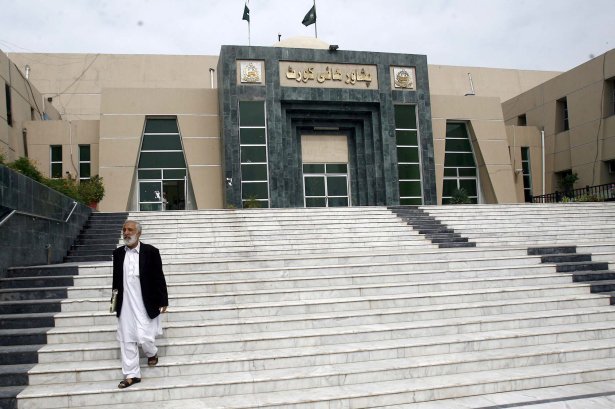
Peshawar: The Peshawar High Court (PHC) has dismissed three separate petitions filed by former Chief Minister Ali Amin Gandapur and Speaker Babar Saleem Swati, challenging the governor’s authority to administer oaths to members elected on reserved seats.
At the same time, the court confirmed that Pakistan Tehreek-e-Insaf (PTI) members on these seats are now considered independent.
Also Read: PHC Reserves Order on KP CM, PTI Candidate’s Pleas Challenging ECP Notices
A two-judge bench, comprising Justice Muhammad Naeem Anwar and Justice Kamran Hyat Mian Khail, heard the petitions. Initially, the petitioners’ senior lawyer, Basheer Khan Wazir, could not attend due to illness, prompting the court to consider arguments from junior counsel.
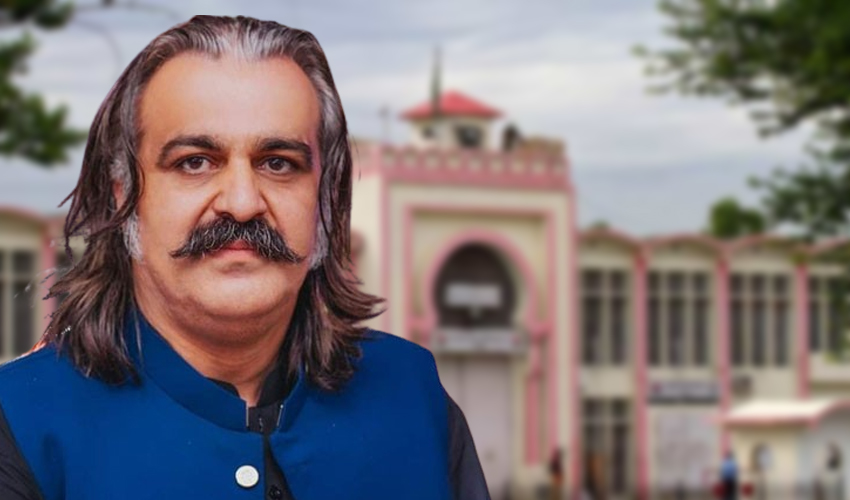
Babar Yousafzai, representing other petitioners, told the court that the petitions had become ineffective because the members had already taken oaths and Ali Amin Gandapur was no longer chief minister. He added that the current chief minister had not challenged the oaths.
Also Read: PHC Questions KP govt over failure to curb dengue and chikungunya
Furthermore, Yousafzai argued that the Supreme Court of Pakistan had already clarified procedures for oath-taking on reserved seats. He said the Chief Justice had nominated the Khyber Pakhtunkhwa Governor to administer the oaths, which had now been completed, rendering the petitions moot.
During proceedings, the Additional Advocate General informed the court that the Advocate General was unavailable due to other commitments. The Election Commission of Pakistan (ECP) counsel, Mohsin Kamran, confirmed that the Supreme Court had issued a ruling on reserved seats. Justice Naeem Anwar noted that the High Court could not override the Supreme Court’s decision.
Also Read: Dengue Outbreak in Peshawar Triggers Emergency Response As Cases Surge Past 4,000
After a brief recess, the court heard from PML-N counsel Amar Javed, who noted that while the Peshawar High Court had dismissed previous petitions from the Sunni Ittehad Council, the Supreme Court later overturned that decision. Consequently, the High Court cannot interfere with Supreme Court rulings.
The court also reviewed the notification process for women and minority members elected to reserved seats, emphasizing that the Senate elections had already taken place with participation from these members. Additionally, the court clarified that when the speaker did not administer oaths, the Chief Justice directed the governor to take the oath.
Later, in case of a change in chief minister, the Chief Justice ordered that if the governor did not act, the speaker could administer oaths.
Also Read: Peshawar High Court Orders Five-Year Audit of Zoos, Wildlife Parks
PTI counsel Basheer Khan Wazir argued that members on reserved seats had been declared independent, challenging the definition of PTI as a political party under Article 215 of the Election Act. He requested that the Election Commission clarify whether PTI qualified as a political party, as discrepancies existed between the Election Act and Election Rules regarding party recognition and election symbols.
The ECP’s counsel confirmed that the Peshawar High Court’s five-member bench had already issued a ruling on reserved seats. After hearing final arguments, the court formally dismissed all petitions challenging the governor’s oath-taking authority and confirmed the independent status of PTI members on reserved seats.