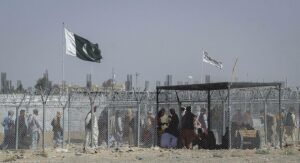

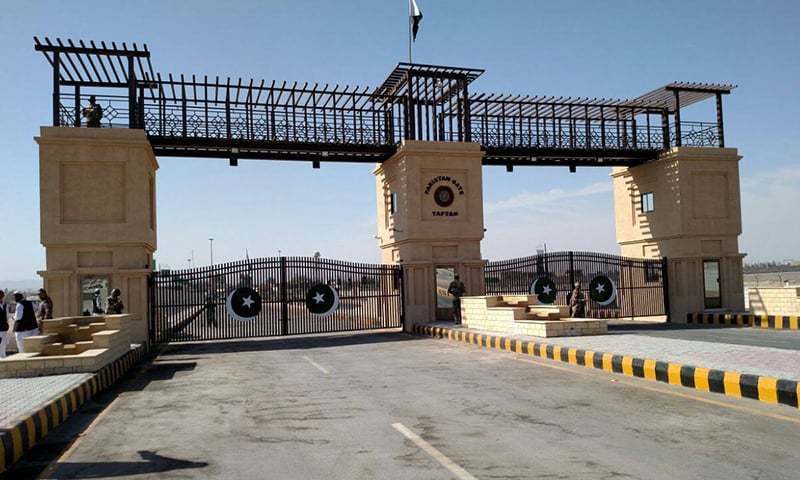
Pakistan’s trade with Afghanistan has come under intense strain after the Pakistan–Afghanistan border closure halted the movement of goods, paralysing major industries and disrupting supply chains already under pressure from rising costs and regional tensions.
According to media reports, the border between the two countries was shut on 11 October following escalating diplomatic friction. The move immediately stalled bilateral trade, leaving businesses divided over the long-term implications. Experts warn that if the border does not reopen soon, Pakistan’s exports will come under even greater pressure.
Some traders believe the closure will reduce the flow of smuggled goods from Afghanistan into Pakistan, but most sectors are reporting severe damage.
Coal imports halted, cement industry under strain
A major cement company reports that both coal imports from Afghanistan and cement exports to Afghanistan stopped instantly after the border closure. This disruption has pushed domestic coal prices sharply upward, rising from 32,000 rupees per ton to 45,000 rupees per ton.
Cement plants in the northern region relied heavily on Afghan coal. With supplies suspended, manufacturers have turned to more expensive imports from South Africa, Indonesia and Mozambique, increasing production costs across the sector.
Pharmaceutical exports face major losses
Former chairman of the Pakistan Pharmaceutical Manufacturers Association, Dr Qaiser Waheed, says Pakistan exports 1.8bn US dollars worth of goods to Afghanistan annually, of which 187mn US dollars consist of pharmaceuticals alone.
He notes that exports through informal channels are three times larger than legal shipments. This shadow trade benefits stakeholders in Khyber Pakhtunkhwa the most, as Afghan buyers frequently travel to the province to purchase medicines directly.
The current border closure coincides with another major blow: Afghanistan has imposed a three-month banon the import of Pakistani medicines, worsening losses for pharmaceutical exporters.
Export revenue at risk
Topline Securities reports that cereal exporter Serial Pakistan estimates that a full-year border closure could cost the company 2bn rupees in lost exports to Afghanistan.
Research firms add that while Pakistan has faced border disruptions several times in recent years, the situation is now far more serious because the pharmaceutical import ban has compounded the crisis.
Thousands of containers stranded
According to Qazi Zahid Hussain, former president of the Pakistan–Afghanistan Joint Chamber of Commerce, the shutdown has stranded 7750 containers at the Chaman border and 400 containers at the Torkham crossing.
More than 9,000 containers are also waiting for clearance at various Pakistani ports. Over 500 containers destined for Armenia, Azerbaijan and Kazakhstan, part of the Central Asian CIS region, are now stuck in prolonged delays, disrupting regional trade corridors.
Patron-in-chief of the All Pakistan Fruits and Vegetables Exporters, Importers and Merchants Association, Waheed Ahmed, says the closure has hit agricultural exporters at a critical moment. Pakistan exports bananas, potatoes, kinnow and mangoes to Afghanistan during the harvest season, while Afghan transit routes serve as essential pathways for shipments to CIS markets.
With the border shut, exporters warn that perishable goods face spoilage risks and financial losses that could ripple across the agricultural supply chain.