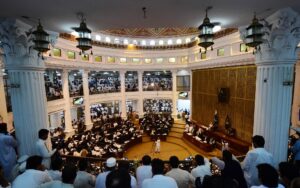

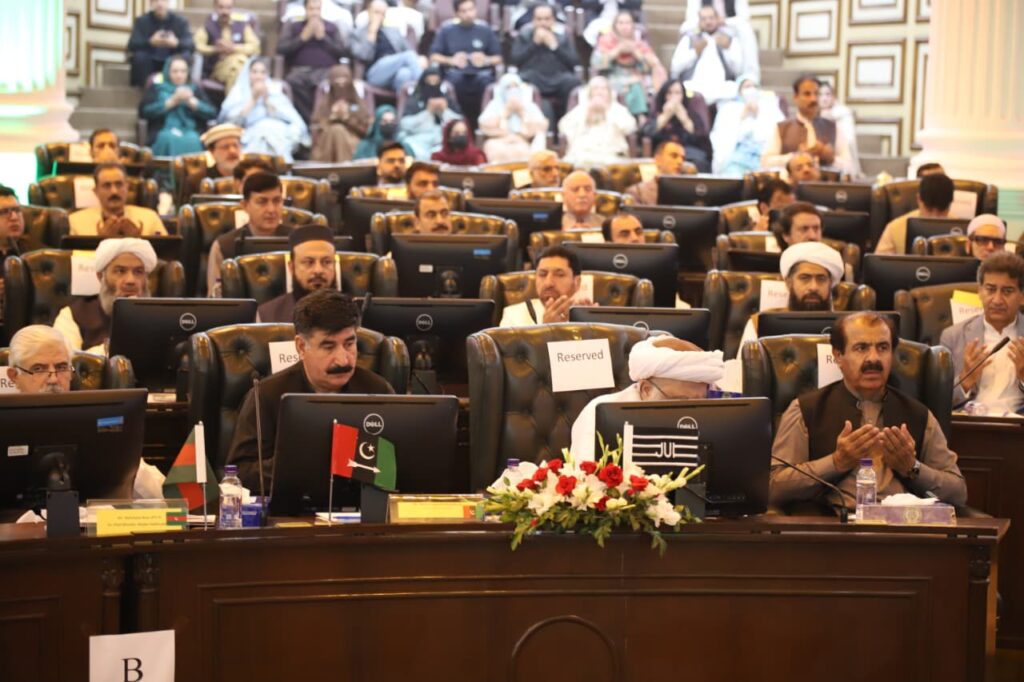
Peshawar – Political leaders, civil society representatives, and security officials in Khyber Pakhtunkhwa (KP) gathered at the provincial assembly in a historic peace jirga. They discussed long-standing security challenges and aimed to promote sustainable peace. KP Assembly Speaker Babar Saleem said participants set aside political affiliations to focus solely on the people’s welfare.
Saleem recalled that military operations in KP began in 2002 and continue even today. He highlighted that 33,000 police personnel serve in tribal districts. Despite Pakistan’s highly trained military, lasting peace has not returned. The Parliamentary Security Committee invited all political leaders and civil society representatives to develop a collective strategy.
خیبر پختونخوا امن جرگے کا باقاعدہ آغاز ہو گیا. تقریب کا آغاز صوبے کے تمام شہداء کے لیے دعا مغفرت سے کیا گیا۔#KPAmanJirga pic.twitter.com/FCk368DQVd
— Chief Minister KP (@KPChiefMinister) November 12, 2025
Leaders stress unity and solutions
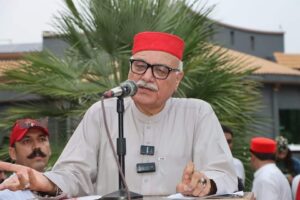
Opposition leader Dr. Abdullah attended as a concerned citizen, not a party representative. He emphasized that united action among political stakeholders could produce viable solutions. Dr. Abdullah said this is the first time all political parties join such a jirga in KP. He stressed that eliminating terrorism comes first, followed by addressing root causes.
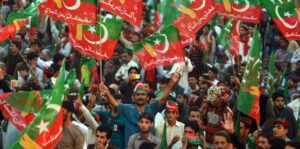
PTI provincial president Junaid Akbar said political leaders had no direct role in past decisions, including Afghanistan-related military involvement and resettlement of militants. He praised the sacrifices of security personnel. Akbar demanded KP receive its fair share from the National Finance Commission (NFC) to support anti-terror operations.
خیبر پختونخوا امن جرگہ – وزیر اعلیٰ @SohailAfridiISF کی صوبائی اسمبلی آمد۔ @KP_Police1 کے دستے نے سلامی پیش کی.#KPAmanJirga pic.twitter.com/semuq5VTQR
— Chief Minister KP (@KPChiefMinister) November 12, 2025
Chief Minister Sohail Afridi said inclusive policies are key to lasting peace. He stressed that decisions made behind closed doors cannot eliminate terrorism. Afridi urged politicians, security forces, and stakeholders to collaborate on policies that the public will accept. He noted that 2018 saw temporary stabilization thanks to security forces, but economic integration of former tribal areas remains incomplete.
Former KP Assembly Speaker Asad Qaiser said the 40-year Afghan conflict left a legacy of instability. He cited arms proliferation, bombings, and extortion as major challenges that hinder business growth. Qaiser urged Afghanistan to address Pakistan’s security concerns. He asked Pakistan to pursue diplomatic solutions. He added that trade with Afghanistan and Central Asian states is crucial for regional stability.
The jirga hosted over 450 participants, including 300 speakers. Each speaker received five to ten minutes. All political parties and civil society organizations pledged collaborative work. The meeting marks a historic step toward addressing terrorism, restoring law and order, and promoting economic stability in the region.