
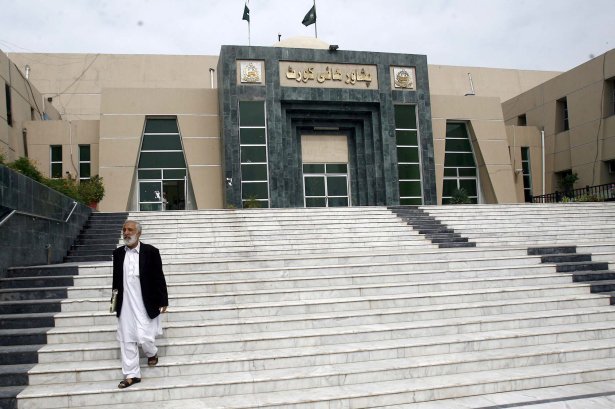
PESHAWAR – The Peshawar High Court has asked the Khyber Pakhtunkhwa government, the Health Department, and other concerned institutions to explain why they failed to control the spread of dengue and chikungunya across the province. The court issued formal notices to the departments and sought detailed replies on their actions to prevent these diseases.
A two-member bench, comprising Justice Ejaz Anwar and Justice Muhammad Faheem Wali, heard the petition filed by lawyer Muhammad Hamdan. He said dengue and chikungunya had spread rapidly across Khyber Pakhtunkhwa, including Peshawar, and had already caused several deaths. Many patients, he added, were still receiving treatment in hospitals and at home.
Also Read: Dengue Outbreak in Peshawar Triggers Emergency Response As Cases Surge Past 4,000
Moreover, the petitioner said that despite repeated reports and public complaints, the authorities had failed to take effective steps to eliminate mosquito breeding or control the outbreak. He noted that waste and garbage were not being properly disposed of, which had led to a surge in mosquito populations. In addition, he said the city’s growing population and poor sanitation facilities had made the situation more serious.
During the hearing, Justice Ejaz Anwar remarked that dengue cases had risen sharply this year and directed the government to inform the court about the steps taken to contain the disease. He stressed the need for immediate and coordinated action to protect public health.
Also Read: KP Intensifies Anti-Dengue Campaign, Bans Politicians’ Photos in Government Ads
According to the petition, weak coordination between the Health Department, district administration, and sanitation agencies has made disease control ineffective. The petitioner also said that under Article 9A of Pakistan’s Constitution, citizens have the right to a clean and healthy environment, yet this right is being denied.
Furthermore, the plea stated that laws relating to public health, sanitation, and environmental pollution were not being enforced. This, it argued, had contributed directly to the spread of preventable diseases. The petitioner urged the court to direct the authorities to conduct fumigation and spray operations in dengue-affected areas and to ensure free medical treatment for all dengue and chikungunya patients.
Also Read: KP Hospitals Face Critical Shortages in Medicines, Staff: IMU Report
After hearing the arguments, the Peshawar High Court issued notices to the provincial government, the Health Department, and other related institutions, directing them to submit comprehensive replies on the issue.