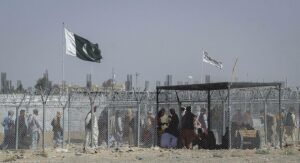

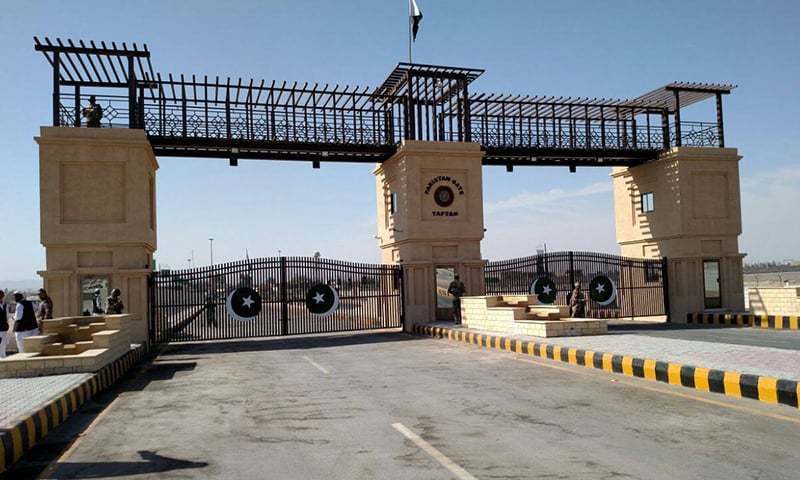
PESHAWAR – The Torkham border closure over the past two weeks has halted trade and passenger movement between the two countries. The extended closure has caused major financial losses to traders, transporters, and the national economy. Thousands of cargo trucks still wait on both sides of the crossing.
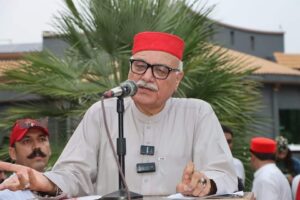
Former President of the Sarhad Chamber of Commerce and Industry, Zahid Shinwari, said the ongoing Torkham border closure is hitting both Pakistan and Afghanistan hard. He estimated that the national exchequer loses around 700mn to 800mn rupees daily. He said Pakistan and Afghanistan trade goods worth nearly 1bn US dollars every year, but all commercial activity has now stopped.
Also Read: Afghan Transit Trade suspended as Pakistan orders offloading of containers
Shinwari said thousands of trucks carrying food and other goods remain stranded. Many items have spoiled, causing losses worth millions of rupees. He added that traders and transporters on both sides face severe financial pressure, and many fear bankruptcy if the situation continues.
Traders have urged the governments of Pakistan and Afghanistan to start talks and reopen the border quickly. They said rising tension at the border hurts both countries’ economies and affects thousands of livelihoods.
Also Read: Govt Orders Closure of Afghan Refugee Camps In KP
The border has stayed shut since 12 October. All trade, exports, imports, and transit operations between the two countries have stopped. Pakistan usually sends rice, cement, medicines, medical equipment, textiles, and fruits to Afghanistan. In return, it receives coal, fruits, vegetables, soapstone, and dry fruits.
Locals Urge Reopening of Border
Business leaders say the continued Torkham border closure damages Pakistan’s trade reputation. They demand that the government act fast to restore normal business activity and protect regional commerce.
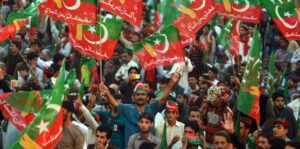
Hundreds of traders, workers, and tribal elders rallied in Landi Kotal on 27 October to protest the continued closure of the Pakistan-Afghanistan Torkham border, a key trade and transit route linking the two nations. Protesters carried banners reading “We want peace, not war” and “Open the border,” urging both governments to resolve disputes through dialogue.
Local leaders, including Fameed Shinwari and Qari Nazim Gul Shinwari, said the blockade had crippled livelihoods, hurting drivers, labourers, and small traders. They warned that if the crossing remained closed, transporters and merchants would launch a larger peace rally at the border.