
Tank district, long plagued by severe water scarcity, is witnessing what officials describe as its first comprehensive effort to restore a clean and sustainable water supply.
The initiative, led by Deputy Commissioner Tanveer Khan Khattak, combines new infrastructure, administrative reform, and accountability measures aimed at resolving a decades-old civic challenge.
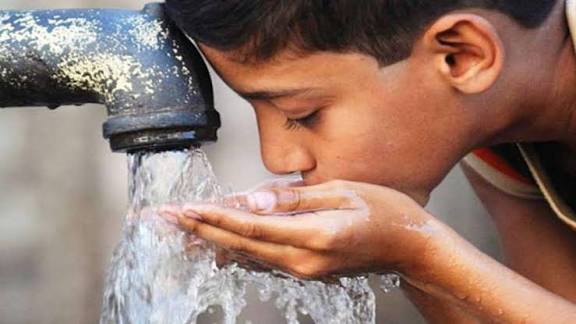
For years, residents of Tank have struggled with limited access to clean drinking water, relying largely on private boreholes and water tankers. The shortage has intensified during summer months, with complaints of irregular supply and contamination becoming routine.
Officials say the new plan seeks to address both the lack of infrastructure and institutional neglect that worsened the crisis.
According to district administration data, several new tube wells have been installed in key areas including Mohallah Sabirabad, Phool Shah, Civil Line, Mehsudan, Razaq Colony, Government High School No.1, and PHE Colony. These tube wells, equipped with solar systems and new pipelines, are expected to ensure a more consistent supply to residential areas.
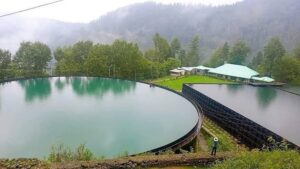
A 120,000-gallon storage reservoir is also being constructed at Tanchi to collect water from Zam and Sheikh Bagh regions. A 24-inch diameter main pipeline will distribute this stored water across Tank city. Authorities have also reactivated a previously non-functional tube well at Tanchi, integrating it into the new system.
Following complaints from residents about mismanagement, the district administration initiated an audit of the Public Health Engineering department’s tube wells. Officials confirmed that some tube wells were found inside private compounds, while others produced non-potable water due to poor maintenance.
After the findings, several PHE officials were suspended by the provincial government. Officials stated that future projects would be implemented in consultation with local communities to ensure equitable access and transparency.
Reactions from residents have been divided. Some community members welcome the new infrastructure and oversight, calling it a long overdue step, while others remain cautious, citing previous projects that failed to deliver sustained relief. Local elders have urged the government to ensure long-term maintenance and fair distribution of resources rather than short-term solutions.
As Tank’s water system undergoes these changes, observers say the real test will lie not in the launch of projects but in their continuity — and whether clean water finally becomes a reliable public right rather than an uncertain privilege.