
PESHAWAR – The Khyber Pakhtunkhwa government has finalised the administrative bifurcation of Malakand Division, paving the way for the creation of two separate divisions with independent administrative and law enforcement setups.
According to official sources, the provincial cabinet has approved the bifurcation of Malakand Division into two distinct administrative units. Under the new structure, each division will have its own Commissioner, Regional Police Officer (Deputy Inspector General), Deputy Commissioners, and District Police Officers to ensure efficient governance and law enforcement.
Districts to be split for better administration
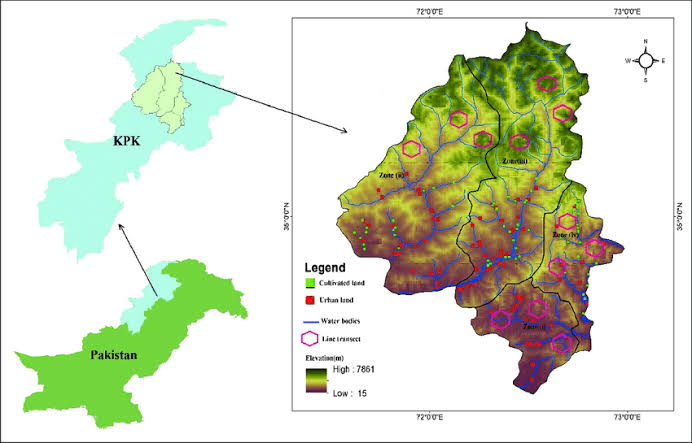
The districts included in the bifurcation plan are Swat, Shangla, Malakand, Buner, Upper Dir, Lower Dir, and Chitral. The administrative powers and territorial limits of the newly formed divisions have already been finalised. According to sources, these arrangements aim to streamline governance and bring public service delivery closer to the people.
The administrative split will involve posting of dedicated officers for each division. This will include separate Commissioners, DIGs, DCs, and DPOs for the two divisions. Government sources confirmed that preparations have been completed to operationalise both new divisions.
Elected representatives consulted
The provincial government has also consulted elected representatives from the affected districts to incorporate local input into the restructuring process. These consultations were carried out in line with the cabinet’s decision to ensure that the administrative reorganisation serves the needs of local populations.
The redefined divisions will allow for more focused governance in remote and mountainous regions, especially areas such as Swat and Chitral. Sources said that final adjustments to administrative boundaries and delegation of authority have been concluded.
This administrative overhaul of Malakand Division marks a major step towards decentralised governance and improved service delivery across the newly formed divisions.